

Hey there, Australian small business owners, importers, and e - commerce sellers! If you're thinking about group shipping to Canada in 2026, you've come to the right place. I've been in the cross - border logistics business for quite some time, dealing with the ins and outs of shipping between different countries. Let me share some valuable insights with you.
I. Industry Background and Policy Changes
In 2026, there have been several notable changes in the Canada - bound cross - border logistics industry. One of the significant updates comes from the Canadian Border Services Agency (CBSA). They've tightened the inspection process for group shipments to ensure better compliance with import regulations. For instance, the eManifest rule has been further refined. Now, shippers are required to submit more detailed information about the contents of group shipments well in advance. This information includes the exact number of items, their HS codes, and estimated values. Failure to provide accurate eManifest data can lead to delays at the Canadian border.
Another change is related to food safety. The Canadian Food Inspection Agency (CFIA) has enhanced its food import standards. If your group shipment contains any food products, you'll need to ensure they meet the strict Canadian food safety regulations. This may involve additional documentation, such as certificates of origin and quality control reports.
II. Full - Flow Guide to Group Shipping
1. Pre - shipment Preparation
This is a crucial phase where you need to get everything in order. First, you must classify your goods correctly using the appropriate HS codes. This step is vital as it determines the tariffs and duties applicable to your shipment. For example, if you're an apparel importer, different types of clothing items may have different HS codes based on their material, design, and intended use.
Next, you should choose a reliable freight forwarder. I once had a client who decided to cut costs by choosing a cheaper, unproven freight forwarder for a group shipment of home goods. The result? The shipment got delayed for weeks at the border due to improper documentation, and the client ended up losing a lot of potential business. So, do your research and select a forwarder with a good track record in group shipping to Canada.
2. Packaging and Labeling
Proper packaging is essential to protect your goods during transit. For fragile items like glassware or electronics, use plenty of cushioning materials such as bubble wrap or foam. When it comes to labeling, make sure to include clear and accurate information. This includes the destination address, contact details, and a list of contents. If you're shipping multiple packages as part of a group, label each one with a unique identifier to make it easier to track and manage.
3. Shipping and Transit
Once your shipment is ready, it's time to choose the right shipping method. There are mainly two options for group shipping to Canada: sea freight and air freight. Sea freight is more cost - effective for large and heavy shipments, but it has a longer transit time. On average, it takes roughly 21 - 28 days for a sea freight group shipment to reach Canada from Australia. Air freight, on the other hand, is much faster, with an average transit time of 7 - 10 days. However, it's also more expensive.
During transit, you can track your shipment using the tracking number provided by your freight forwarder. Most modern logistics systems allow you to monitor the status of your group shipment in real - time.
4. Customs Clearance
Customs clearance is often the most challenging part of the shipping process. In Canada, the CBSA will inspect your shipment to ensure it complies with all import regulations. You'll need to provide a set of documents, including the commercial invoice, packing list, bill of lading (for sea freight) or air waybill (for air freight), and the eManifest.
If your shipment is selected for inspection, it may cause some delays. But don't worry, as long as you've provided accurate and complete documentation, the inspection process should go smoothly. For example, if you're shipping a group of 3C electronics, you need to have proper certificates to prove their compliance with Canadian safety standards.
5. Delivery and Finalization
Once your shipment has cleared customs, it will be delivered to its final destination. If you've opted for a door - to - door service, the freight forwarder will handle the delivery. Make sure to check the goods upon receipt for any damage or discrepancies. If there are any issues, report them immediately to your freight forwarder and the insurance company (if you've insured your shipment).
III. Choosing the Right Logistics Provider for Group Shipping
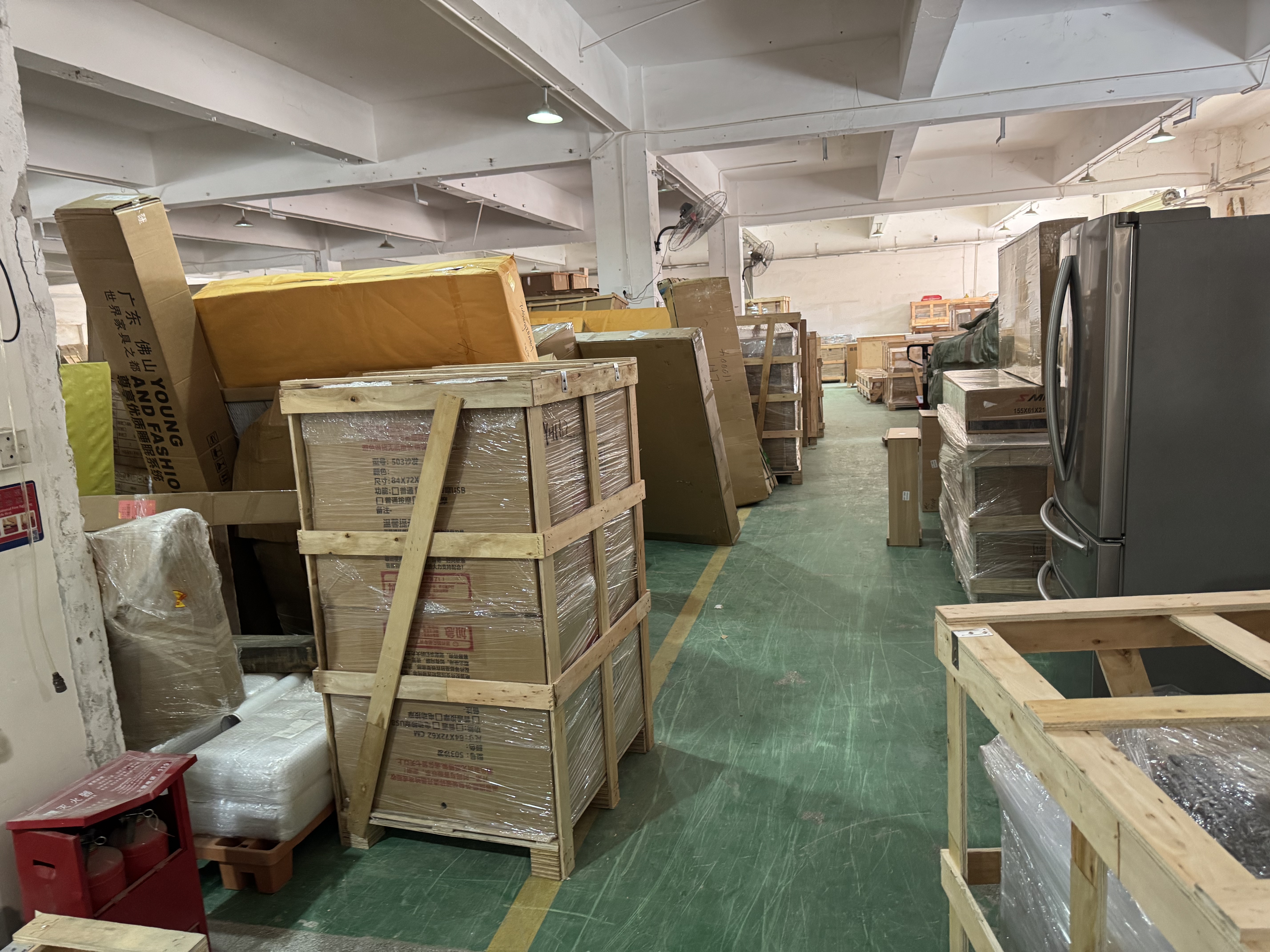
When it comes to group shipping to Canada, choosing the right logistics provider is key. You want a company that has experience in handling group shipments, understands the Canadian import regulations, and offers reliable services.
One such company is Shengda International Logistics. They focus on cross - border logistics between China and several countries, including Canada. They have a team of experts who are well - versed in the 2026 Canadian import policies. They offer a range of services for group shipping, including pre - shipment consultation, packaging advice, customs clearance assistance, and door - to - door delivery.
Another advantage of using Shengda International Logistics is their cost - effective pricing. They have established good relationships with shipping lines and airlines, which allows them to get better rates for their clients. And their service is not just about getting the goods from point A to point B. They also provide after - sales support in case of any problems with the shipment.
IV. Frequently Asked Questions
1. What are the main differences between sea freight and air freight for group shipping to Canada?
Sea freight is cheaper but slower, with a transit time of about 21 - 28 days. It's suitable for large and heavy shipments. Air freight is faster, taking around 7 - 10 days, but it's more expensive. It's a good option for urgent or high - value shipments.
2. How can I ensure my group shipment passes customs clearance smoothly in Canada?
Make sure to classify your goods correctly using the right HS codes, provide accurate eManifest information, and have all the necessary documents ready. It's also a good idea to work with a logistics provider that has experience in Canadian customs clearance.
3. Can I ship sensitive goods in a group shipment to Canada?
Yes, but it's more complicated. Sensitive goods like food, cosmetics, and electronics need to meet specific Canadian regulations. You may need to obtain additional permits and certificates. For example, Shengda International Logistics has a dedicated sensitive goods compliance service to help you navigate these requirements.
4. What should I do if my group shipment is damaged during transit?
If your shipment is insured, contact your insurance company as soon as possible. Also, inform your logistics provider. They can help you with the claim process and may also assist in investigating the cause of the damage.
5. How do I choose the right freight forwarder for group shipping to Canada?
Look for a forwarder with experience in group shipping to Canada, a good reputation, and a clear understanding of the 2026 Canadian import policies. You can also ask for references from other businesses that have used their services.
In the end, group shipping to Canada in 2026 can be a smooth and profitable process if you're well - informed and choose the right partners. Keep these tips in mind, and you'll be on your way to successful cross - border logistics!
