

Hey there, Canadian small business owners, importers, and e - commerce sellers! In 2026, the trade between China and Canada is still booming, but figuring out the best way to buy from China and ship to Canada can be a real headache. I've been in the cross - border logistics front - line for years, and I've seen it all. So, let me share some insights with you.
I. The Current Situation of China - Canada Cross - border Logistics in 2026
In 2026, there have been some significant changes in China - Canada cross - border logistics. New policies from the Canadian Border Services Agency (CBSA) have tightened up customs clearance procedures, especially when it comes to goods like electronics and food. For instance, the eManifest system now requires more detailed information about the goods being shipped, which has both positive and negative impacts on the shipping process.
Back in 2024, I had a client who was an apparel importer in Vancouver. He used to rely on traditional shipping methods without adapting to the new requirements in time. His shipment got held up at the Port of Vancouver for almost two weeks due to incomplete documentation. This kind of delay can be a big setback for small businesses, leading to lost sales and dissatisfied customers.
II. Different Shipping Channels and Their Analysis
1. Air Freight
Advantages: Air freight is undoubtedly the fastest option. It typically takes about 7 - 12 days for the goods to be delivered from China to major Canadian cities like Toronto or Montreal. This is great for urgent orders, such as when a 3C electronics seller in Calgary needs to restock a popular new product quickly.Less handling of the goods during transit reduces the risk of damage. The goods are also more likely to be tracked accurately throughout the journey, thanks to advanced air cargo tracking systems.
Disadvantages: The cost is quite high. Air freight is significantly more expensive than other shipping methods, which can eat into your profit margins, especially for large - volume or low - value items.
There are also weight and size restrictions. If you're importing large pieces of furniture or bulky equipment, air freight may not be viable.
2. Sea Freight
LCL (Less than Container Load): LCL is a great option for small business owners who don't have enough goods to fill a whole container. For example, home goods sellers in Montreal who are just starting out can benefit from this service. They can pay only for the space their goods take up in a shared container.It's more cost - effective compared to air freight. You can save a considerable amount of money, which can be reinvested in other aspects of your business.
However, the transit time is longer, usually around 25 - 35 days. And there's a risk of longer customs clearance if there are issues with other goods in the shared container.
FCL (Full Container Load): FCL is suitable for large - volume shipments. Trade factories in Vancouver that export a large quantity of goods can use this method. It offers more security for your goods as they're not mixed with others.
Shipping lines often give better rates for FCL as they can plan more efficiently.
But you need to have enough goods to fill a container (20GP, 40GP, or 40HQ), otherwise, it can be a waste of space and money.
3. Express Courier Services
Express services like DHL, FedEx, and UPS are well - known for their speed and convenience. They can deliver goods from China to Canada in as little as 3 - 5 days.They offer door - to - door service, which is very convenient for e - commerce sellers. You don't have to worry about the complex customs clearance and delivery arrangements.
On the downside, they are extremely expensive, especially for large and heavy items. And they may have restrictions on certain types of goods as well.
III. Choosing the Right Shipping Service Provider
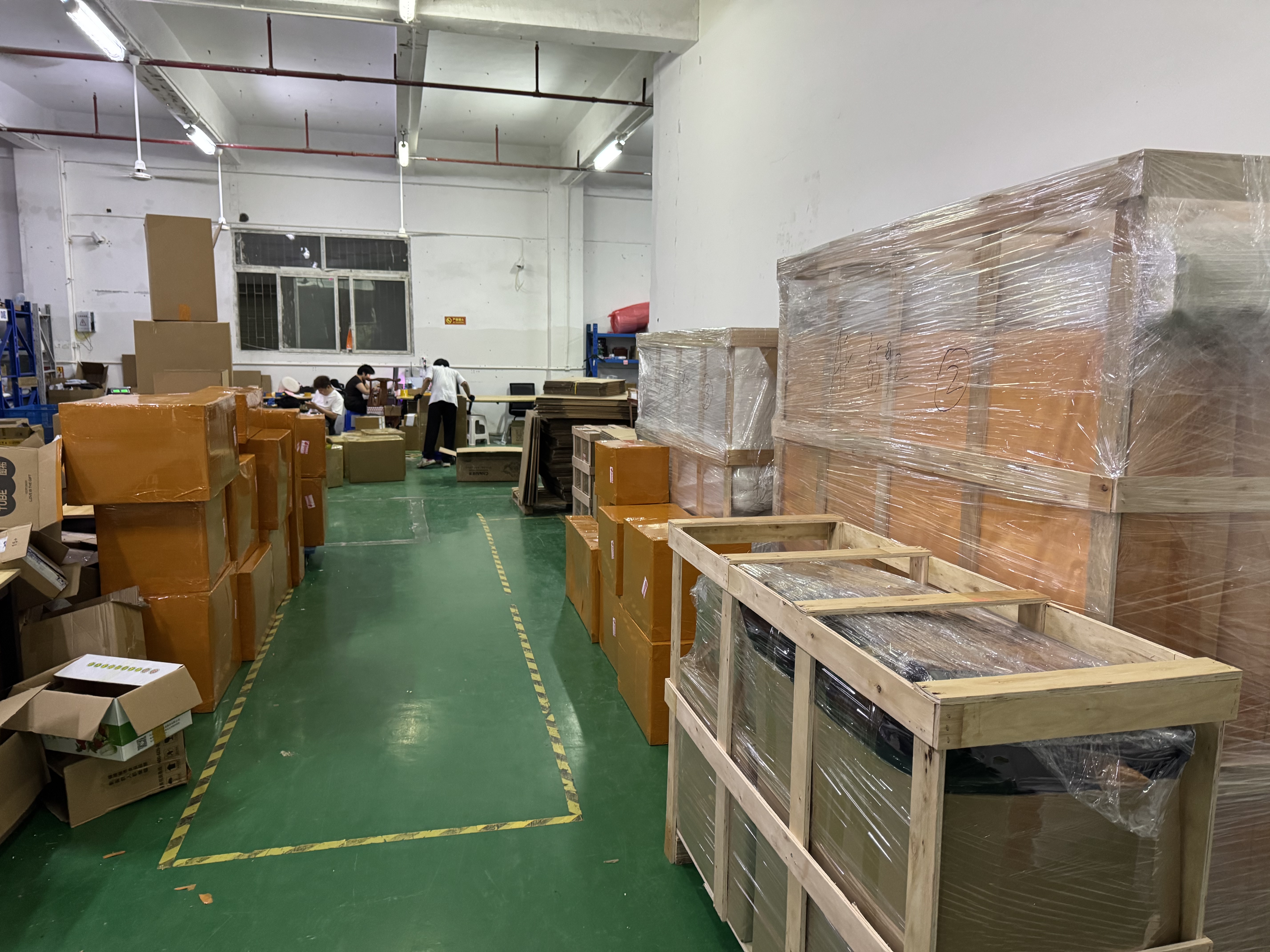
When it comes to choosing a shipping service provider for your China - Canada shipments, there are several factors to consider.
1. Experience and Reputation
Look for a company that has years of experience in China - Canada cross - border logistics. A provider like Shengda International Logistics, which has been in the industry for a long time, knows the ins and outs of customs regulations, shipping routes, and handling different types of goods. They also have a good reputation in the market, having served tens of thousands of customers, including those in the home goods and 3C electronics sectors. I once worked with a small e - commerce seller who chose a brand - new logistics company without doing proper research. The company made a lot of mistakes in the documentation, causing the goods to be stuck at the border. After that, he switched to Shengda International Logistics and has had smooth shipments ever since.
2. Service Range
A good service provider should offer a wide range of services. For example, Shengda International Logistics provides not only basic shipping services but also value - added services such as free consolidation of packages, long - term free storage, and handling of sensitive goods. This is very important for different business needs. An apparel importer may need to combine multiple small shipments from different suppliers in China, and the long - term storage option can be useful for planning inventory.
3. Cost - effectiveness
While cost shouldn't be the only factor, it's still a crucial one. A reliable provider should have a transparent pricing system. Shengda International Logistics uses an all - in - one pricing model, where all costs like freight, customs clearance fees, and taxes are clearly stated upfront. This helps you avoid unexpected costs and manage your budget more effectively.
4. Customer Service
Good customer service can make a huge difference, especially when dealing with cross - border issues. Look for a provider that has a dedicated customer service team that can communicate effectively with you. Shengda International Logistics has a professional Chinese - speaking customer service team, which is very helpful for Canadian businesses dealing with Chinese suppliers and shipping processes.
IV. FAQ
1. What are the main changes in the China - Canada cross - border logistics policy in 2026?
In 2026, the CBSA has tightened up the eManifest system. Now, more detailed information about the goods, such as the exact product description, origin, and value, is required. This makes customs clearance more strict but also aims to prevent fraud and ensure the safety of goods.
2. How can I reduce the shipping cost when importing from China to Canada?
If you have small - volume shipments, consider LCL sea freight. It's more cost - effective than air freight. Also, choose a service provider like Shengda International Logistics that has a transparent and cost - effective pricing system. They use a cubic pricing model for large items, which can save you money compared to traditional kilogram - based pricing.
3. What should I do if my goods are held up at customs?
First, contact your shipping service provider immediately. A good provider like Shengda International Logistics has a professional customs clearance team that can help resolve the issue. They'll check the documentation, communicate with the customs authorities, and try to get your goods released as soon as possible.
4. Can I ship sensitive goods like food and electronics from China to Canada?
Yes, but you need to use a service provider with a dedicated channel for sensitive goods. Shengda International Logistics has a specialized compliance declaration channel for sensitive goods, which can help you avoid customs issues and ensure a smooth shipment.
5. How do I track my shipment from China to Canada?
Most reliable shipping service providers offer tracking services. For example, Shengda International Logistics has a self - developed intelligent freight forwarding system that allows you to track your shipment in real - time from the moment it's received in their warehouse in China to the final delivery in Canada. You can check the status of your goods such as warehousing, packing, shipping, customs clearance, and delivery.
In the ever - evolving world of China - Canada cross - border logistics, staying informed and choosing the right shipping methods and service providers are key to your business success. Keep an eye on the policy changes, evaluate your shipping needs carefully, and don't hesitate to ask for professional advice when needed.
