

Introduction
Hey there, Australian small business owners, importers, and e - commerce sellers! As someone with years of hands - on experience in cross - border logistics between China and Australia, I've witnessed countless cases where businesses faced unnecessary challenges during international furniture removal. In 2026, with new policies and regulations in place, it's crucial to know what pitfalls to avoid. Let me share some real - life stories and practical tips to keep you on the right track.
I. Common Pitfalls in International Furniture Removal to Australia
Customs and Biosecurity Regulations In 2026, the Australian Border Force (ABF) and the Department of Agriculture, Fisheries and Forestry (DAFF) have tightened their biosecurity and customs regulations. I had a client back in the first quarter of 2026, a home goods seller in Sydney. They imported a large batch of wooden furniture from China. Unfortunately, they didn't know that untreated wood could carry pests and diseases. The furniture was held up at Port Botany for over 14 days for inspection and treatment. The cost of the treatment and the delay in delivery hit their bottom line hard.To avoid this, always ensure that your wooden furniture is properly treated and meets the Australian biosecurity standards. Obtain the necessary phytosanitary certificates from the Chinese side, which prove that the wood has been treated to eliminate pests.
Incorrect Documentation Another major issue is incorrect or incomplete documentation. I once worked with an apparel importer in Melbourne who decided to diversify their business by importing some furniture. They filled out the customs declaration forms incorrectly, misclassifying the furniture under the wrong HS codes. As a result, the shipment was delayed at the Port of Melbourne, and they faced additional customs duties.
Make sure you understand the correct HS codes for your furniture. Double - check all the documentation, including the commercial invoice, packing list, and bill of lading, before submitting them.
II. Cost - related Pitfalls
Hidden Costs Many businesses are caught off - guard by hidden costs. For example, some logistics providers may charge extra fees for storage at the Australian port if the furniture is not picked up promptly. A trade factory in Brisbane imported a container of furniture. They didn't realize that there was a short - term free storage period at the port, and after that, they were charged a hefty amount per day for the extended storage.Before choosing a logistics provider, ask for a detailed breakdown of all the costs. Make sure you understand the terms and conditions regarding storage, handling, and any other potential fees.
Inaccurate Cost Estimates Some logistics companies may give inaccurate cost estimates. I've seen cases where a business was initially quoted a low price for furniture removal, but then faced unexpected charges during the process. This can disrupt your budget and profit margins.
Get multiple quotes from different logistics providers. Compare the services they offer and the inclusions in the price. Don't just go for the cheapest option, as it may end up costing you more in the long run.
III. Shipping and Delivery Pitfalls
Shipping Delays Shipping delays are common in cross - border logistics. Bad weather, port congestion, and labor strikes can all cause delays. A 3C electronics seller in Sydney also imported some office furniture. Their shipment was supposed to arrive in 30 days, but due to a labor strike at a Chinese port, it was delayed by another 10 days.When planning your furniture import, build in some extra time for potential delays. Choose a reliable logistics provider with a good track record of on - time deliveries.
Damage During Transit Furniture is prone to damage during transit, especially if it's not properly packed. I've seen furniture arrive at the destination with scratches, dents, or even broken parts. A home goods seller from Melbourne imported a set of delicate glass - topped tables. The packing was not sufficient, and several tables were broken upon arrival.
Ensure that your furniture is packed using high - quality materials and proper packing techniques. You may also want to consider purchasing insurance for your shipment to cover any potential damage.
IV. Choosing the Wrong Logistics Provider
Lack of Experience Some logistics providers may not have enough experience in international furniture removal. They may not be familiar with the specific requirements and regulations. For example, a new logistics company in Australia took on a furniture import job for an e - commerce seller. They made several mistakes in the customs clearance process, causing significant delays.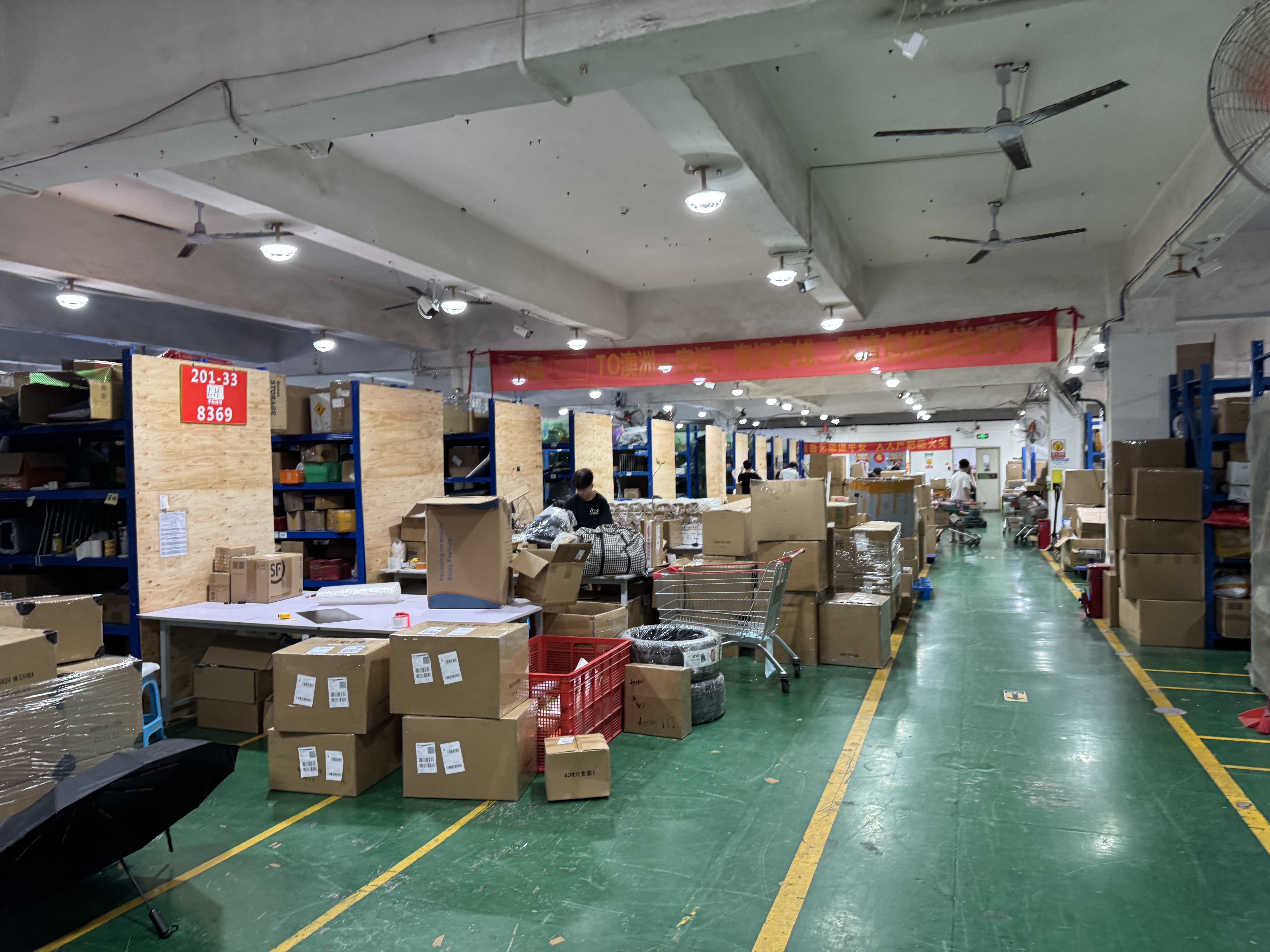
Look for a logistics provider with a proven track record in international furniture removal. Check their reviews and ask for references from other businesses.
Poor Customer Service Good customer service is essential in cross - border logistics. If you have a problem during the shipping process, you need a logistics provider that can respond quickly and effectively. I've had clients who were frustrated with their logistics providers because they couldn't get timely updates or assistance when issues arose.
Evaluate the customer service of the logistics providers you are considering. Check their response times and how they handle customer complaints.
FAQ
What should I do if my furniture is held up at customs due to biosecurity issues? First, don't panic. Contact your logistics provider immediately. They should have experience dealing with such situations. They'll work with the Australian authorities to arrange for the necessary treatment of the furniture, such as fumigation or heat treatment. Make sure you cooperate fully and provide all the required information and documentation.How can I ensure that my furniture is packed properly to avoid damage during transit? You can ask your supplier in China to use high - quality packing materials, like bubble wrap, foam, and strong wooden crates for fragile items. Make sure the packing is sturdy and that there is enough cushioning. If you're not sure, you can also consult with your logistics provider. They may offer packing services or give you some tips.
Is it necessary to purchase insurance for my furniture shipment? It's highly recommended. Furniture can be expensive, and there are many risks during transit, such as damage, loss, or theft. Insurance will give you peace of mind. Most logistics providers can arrange insurance for your shipment, and the cost is usually a small percentage of the total value of the furniture.
How do I choose the right HS codes for my furniture? You can start by researching the official HS code classification systems. There are online resources available that can help you with the initial classification. However, if you're still unsure, it's best to consult with a customs broker or your logistics provider. They have the expertise to ensure that the correct HS codes are used.
What if I'm on a tight budget and can't afford a high - end logistics provider? While it's important to manage costs, don't sacrifice quality. Look for mid - range logistics providers that offer a good balance between cost and service. You can also negotiate the price with them. Maybe you can ask if there are any discounts available for long - term partnerships or large - volume shipments.
In 2026, international furniture removal to Australia can be a smooth process if you're aware of these common pitfalls and take the necessary precautions. Stay informed, choose the right partners, and you'll be well on your way to a successful import operation.
