

I. Introduction
Hey there, Australian small business owners, importers, and e - commerce sellers! If you're planning to import furniture from China to Canada in 2026, you're in for a series of challenges and opportunities. In my years of working in cross - border logistics, I've seen many clients face difficulties during this process. From my first client back in 2024 who tried to import a large batch of sofas to Vancouver, I quickly realized the complexity of this trade. This article aims to share my hands - on experience to help you avoid common pitfalls and make your furniture import journey smoother.
II. Understanding the New Policies in 2026
In 2026, the Canadian government has introduced several new regulations that significantly impact furniture imports. The Canadian Border Services Agency (CBSA) has tightened the rules regarding wood sourcing and furniture safety standards. For instance, all imported wooden furniture must now have certificates proving that the wood is harvested sustainably. Failure to provide these certificates can lead to customs delays and hefty fines.
I remember a trade factory client who tried to import a container of oak chairs last month. They didn't know about the new sustainable sourcing requirement. As a result, their shipment was held at the Port of Vancouver for roughly 14 days. The delay cost them not only storage fees but also the loss of a potential business deal in Toronto. To avoid such issues, always stay updated on the latest policies. Check the CBSA official website regularly or work with a logistics provider who has in - depth knowledge of these regulations.
III. Shipping Options and Their Pitfalls
1. Sea Freight
Sea freight is a popular choice for furniture imports due to its relatively low cost for large - volume shipments. However, it comes with its own set of problems. One major pitfall is the long transit time. On average, it takes about 35 - 40 days for a container to travel from a Chinese port to a Canadian port like the Port of Montreal. Another issue is the risk of damage during shipping. Furniture is often bulky and fragile, and rough handling during loading, unloading, and transit can cause scratches, dents, or breakage. A home goods seller once shipped a batch of glass - topped coffee tables to Vancouver via sea freight. When the containers arrived, nearly 20% of the tables were damaged due to improper packing and rough handling on the ship.
To mitigate these risks, choose a reliable shipping line with a good track record for furniture transportation. Also, invest in high - quality packing materials and consider purchasing insurance to cover potential damages.
2. Air Freight
Air freight is much faster, with a transit time of around 7 - 10 days. But it's also significantly more expensive. It's usually only suitable for small - volume, high - value furniture items or when there's an urgent need. One of the main pitfalls is the strict weight and size limitations. Airlines often have specific restrictions on the dimensions and weight of each piece of cargo. An apparel importer once tried to send a few custom - made wooden wardrobes by air. They found out too late that the wardrobes were too large and heavy for the airline's requirements, and they had to scramble to find an alternative shipping method.
Before choosing air freight, carefully check the airline's cargo policies and make sure your furniture meets the criteria. If possible, break down large furniture pieces into smaller, more manageable components for shipping.
IV. Packing and Labeling
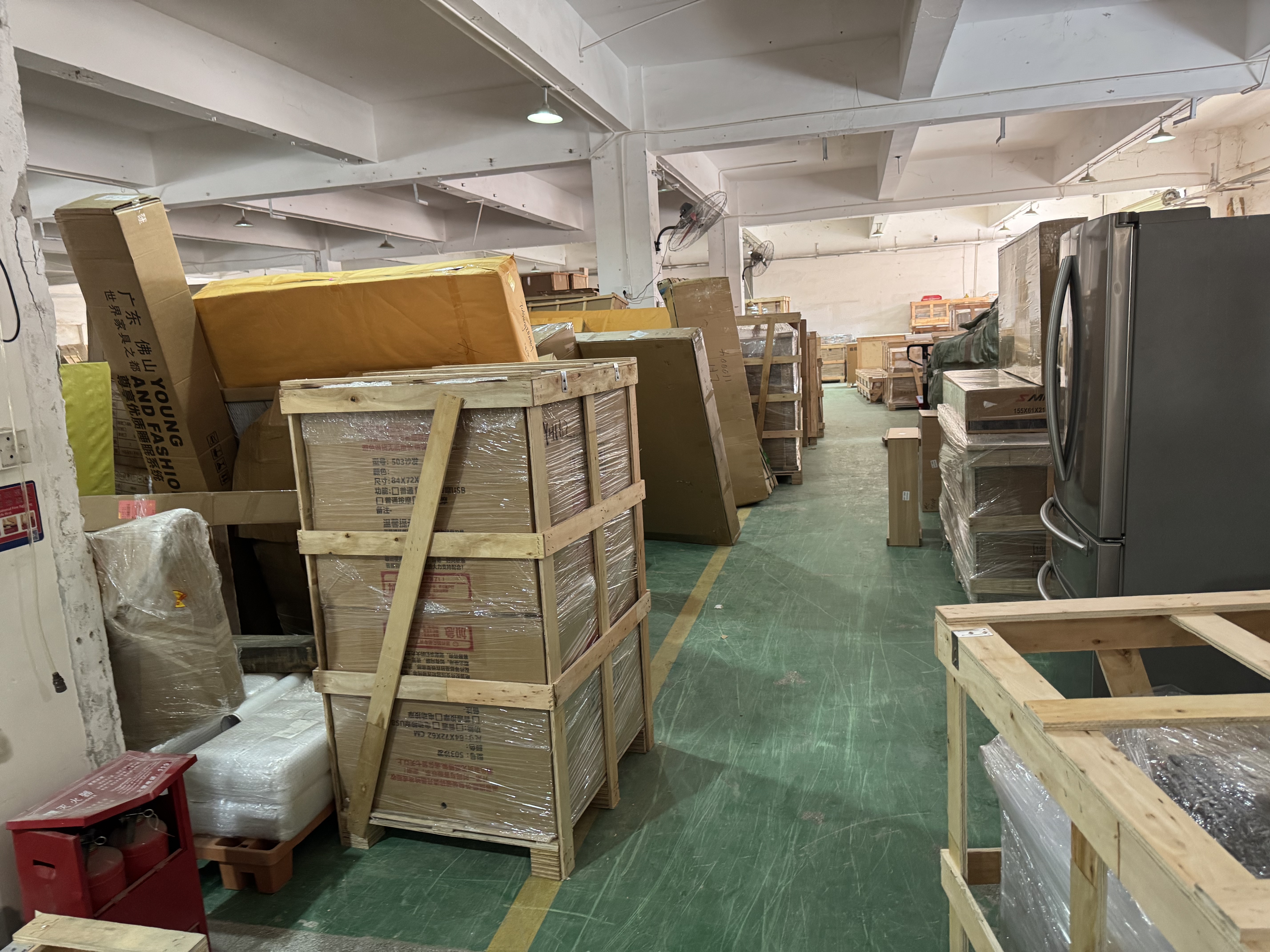
Proper packing is crucial for protecting your furniture during transit. For wooden furniture, it's recommended to use thick bubble wrap or foam padding to prevent scratches. If you're shipping furniture with glass components, use special glass protectors and secure them firmly in place. As for larger items like sofas, consider using shrink - wrap to keep them clean and protected.
Labeling is also important. Each piece of furniture should be labeled with clear information, including the destination address, handling instructions, and a brief description of the item. I once had a client who had a mix - up at the warehouse in China because the labels on their furniture boxes were unclear. The result was that some items were sent to the wrong location in Canada, causing a significant delay in delivery.
V. Customs Clearance
Customs clearance can be a major headache if not handled properly. In 2026, CBSA is conducting more detailed inspections, especially for furniture imports. Make sure you have all the necessary documentation, such as commercial invoices, packing lists, and certificates of origin. The invoices should accurately reflect the value of the furniture. Under - or over - invoicing can lead to customs issues, including fines and seizure of goods.
A few months ago, a 3C electronics seller also tried to import some office furniture along with their electronic products. They underestimated the value of the furniture on the invoice to save on taxes. The CBSA detected this discrepancy during the inspection, and the entire shipment was held until the correct value was provided and the appropriate taxes were paid. This incident cost them a lot of time and money.
VI. FAQ
Can I ship used furniture from China to Canada? Yes, you can, but it's a bit more complicated. Used furniture may be subject to additional inspections by the CBSA to ensure it meets health and safety standards. You'll need to provide detailed information about the furniture's origin, age, and condition. Also, some used furniture may be restricted or prohibited, so it's best to check the specific regulations in advance.
How much does it cost to ship furniture from China to Canada? The cost depends on several factors, such as the size, weight, shipping method, and destination. Sea freight is generally more cost - effective for large - volume shipments, with costs ranging from a few hundred to a few thousand dollars per container. Air freight is much more expensive, usually starting at around $10 - $20 per kilogram.
Do I need to hire a customs broker? While it's not mandatory, hiring a customs broker can save you a lot of time and hassle. A professional customs broker has in - depth knowledge of the Canadian customs regulations and can help you ensure all the necessary documentation is in order. They can also handle the communication with the CBSA on your behalf, reducing the risk of customs delays.
What if my furniture is damaged during shipping? If you've purchased insurance for your shipment, you can file a claim with the insurance company. Make sure to document the damage as soon as possible by taking photos and providing detailed descriptions. If you haven't bought insurance, you may need to negotiate with the shipping company to seek compensation. However, this can be a difficult and time - consuming process. Be prepared to provide evidence of the value and condition of the furniture before shipping.
How long does it take for furniture to clear customs? The time can vary widely. In normal cases, it may take 1 - 3 business days. However, if there are issues with the documentation or if the CBSA selects your shipment for a detailed inspection, it could take much longer, up to several weeks. To minimize the clearance time, make sure all your documents are accurate and complete, and work with a reliable customs broker if possible.
In 2026, importing furniture from China to Canada may be fraught with challenges, but with the right knowledge and preparation, you can avoid many common pitfalls. Keep an eye on policy changes, choose the right shipping options, pack and label your furniture properly, and handle customs clearance diligently. This way, you can ensure a successful and profitable furniture import business.
