

I. Introduction
As a seasoned professional in the cross - border logistics industry for years, I've witnessed numerous small business owners, importers, and e - commerce sellers encounter issues with cheap sea freight to Canada. In 2026, due to the new policies of the Canadian Border Services Agency (CBSA) and other market factors, the sea freight landscape has become even more complex. Let me share some real - life stories and practical tips to help you avoid common pitfalls.
I once had a client, a 3C electronics seller in Vancouver, who chose a cheap sea freight service. He thought he was getting a great deal initially. However, the whole process turned into a nightmare, which made me realize how important it is to be cautious in this field.
II. Hidden Costs in Cheap Sea Freight
Port Charges and Terminal Handling Fees In cheap sea freight, many carriers don't make it clear about the additional port charges and terminal handling fees. For example, the Port of Vancouver has specific charges for unloading, storage, and moving cargo within the terminal. I've seen cases where clients were shocked to find that these unannounced fees almost doubled the initial freight cost.Some cheap services might quote a low basic freight rate but hide these significant additional costs. As a result, businesses end up paying much more than expected.
Customs Clearance Fees Customs clearance in Canada in 2026 has become more stringent. Some unscrupulous freight forwarders offer cheap sea freight but lack the expertise for proper customs documentation. This can lead to delays and additional customs clearance fees.
Suppose an apparel importer in Toronto uses a low - cost freight service. If the forwarder doesn't accurately declare the origin, composition, or value of the goods, the CBSA may conduct a more detailed inspection, causing delays and potential fines.
III. Quality and Reliability Issues
Shipping Container Conditions With cheap sea freight, the quality of shipping containers can be a major problem. I've seen containers with leaks, damaged floors, or poor insulation. For home goods sellers shipping delicate items like glassware or fragile furniture, a damaged container can lead to significant product damage during transit.If a container has a leak, moisture can seep in and ruin items like textiles or electronics. The cost of replacing damaged goods can far outweigh the savings from choosing a cheap freight service.
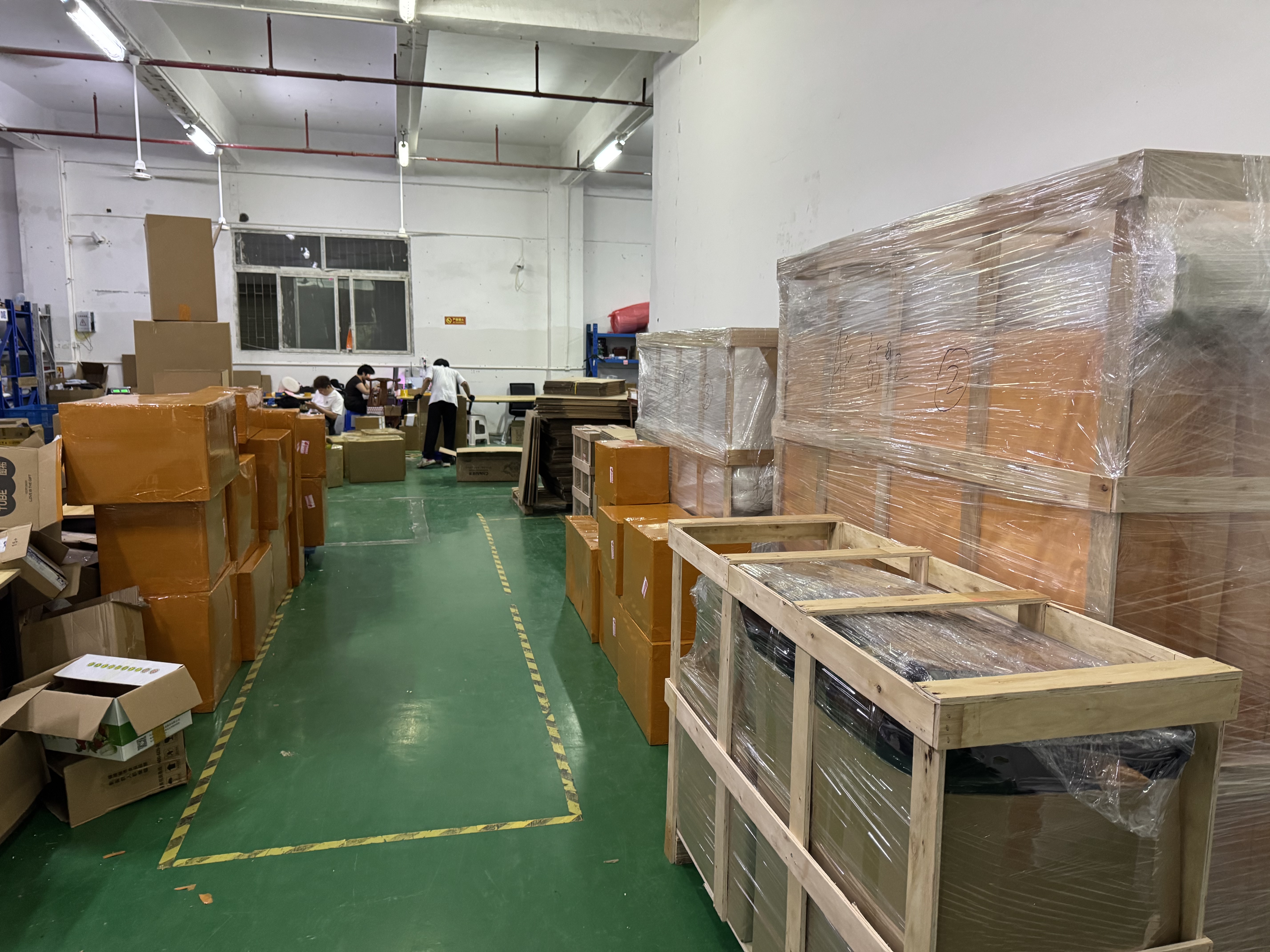
Shipping Schedules and Delays Cheap sea freight often comes with less reliable shipping schedules. Carriers may over - book vessels or have sub - optimal routing, leading to significant delays. For e - commerce sellers, delays can disrupt the supply chain, cause inventory shortages, and lead to dissatisfied customers.
A trade factory in Montreal that relies on timely delivery of raw materials found itself facing production halts when a cheap sea freight service failed to deliver on time due to a series of scheduling issues.
IV. Documentation and Compliance
Incorrect or Incomplete Documentation One of the common pitfalls in cheap sea freight is the issue of incorrect or incomplete documentation. Proper documentation, such as the Bill of Lading, commercial invoice, and packing list, is crucial for customs clearance. If the details are inaccurate, it can lead to customs hold - ups.As an example, in the new 2026 policies, the CBSA emphasizes the correct use of HS codes. If a forwarder from a cheap service mis - classifies the goods, the cargo may be held at customs, and the business may face penalties.
Failure to Comply with New Regulations In 2026, there are new regulations regarding food safety inspection by the Canadian Food Inspection Agency (CFIA). A food importer in Calgary who used a cheap sea freight service found their shipment of snacks held at customs because the service didn't follow the proper CFIA procedures for food import.
Ignoring or being unaware of these new regulations can result in costly delays, fines, and even the rejection of the entire shipment.
V. Tips to Avoid Pitfalls
Research and Due Diligence Before choosing a sea freight service, research the carrier or freight forwarder thoroughly. Check their reputation, reviews from other clients, and their experience in Canadian cross - border logistics. Ask for references and examples of successful shipments.You can also look for industry certifications and accreditations, which indicate that the service provider meets certain standards.
Understand the Fine Print Don't just focus on the upfront price. Read the terms and conditions carefully, paying attention to details about additional fees, liability, and delivery times. If something is unclear, ask for a detailed explanation from the service provider.
Make sure you understand the INCOTERMS (such as FOB, CIF) used in the contract, as they define the responsibilities of both parties during the shipping process.
Choose a Reputable Service Provider Consider using a well - established and reliable service provider like Shengda International Logistics. They have a professional team with over 10 years of experience in international freight forwarding, especially in the China - Canada route.
Shengda International Logistics offers transparent pricing, handling all fees like customs clearance, freight, and terminal charges clearly upfront. Their services include full - container shipping for businesses with large - scale cargo and less - than - container - load (LCL) options for smaller shipments. They also have a dedicated team to ensure compliance with all Canadian regulations, reducing the risk of customs issues.
VI. FAQ
What should I do if my cheap sea freight service is causing unexpected delays? Well, first, contact the service provider immediately to find out the root cause of the delay. If they're unresponsive or unable to resolve the issue, you may need to consider other solutions like diverting the shipment to a different port or changing the freight service. Remember, having a backup plan for critical shipments is always a good idea.How can I tell if a sea freight service is hiding additional costs? Ask for a detailed breakdown of all costs. A legitimate service will provide a clear list of all charges, including port fees, customs clearance fees, and any other potential costs. If they're hesitant to provide this information or give vague answers, it's a red flag.
Is it worth paying a bit more for sea freight to avoid these pitfalls? In most cases, yes. The cost of dealing with damaged goods, delays, and customs issues can far exceed the savings from choosing a cheap service. Paying a bit more for a reliable service can save you a lot of headaches and money in the long run.
Can I handle customs clearance myself instead of relying on the sea freight service? You can, but it's a complex process, especially in 2026 with new regulations. The CBSA has strict requirements for documentation and compliance. If you're not familiar with these procedures, you're more likely to make mistakes that can lead to delays and fines. It's often better to rely on a professional service with expertise in Canadian customs.
What if my goods are damaged during transit with a cheap sea freight service? Check the service provider's liability policy. Most have some form of compensation for damaged goods, but the amount and conditions can vary. Make sure to document the damage thoroughly with photos and reports as soon as you receive the goods. If the service provider is uncooperative, you may need to seek legal advice.
