

I. Introduction
Shipping goods from China to Canada is a significant business activity for many Canadian small business owners, importers, and e - commerce sellers. However, in 2026, there are several new policies and potential pitfalls in the cross - border logistics process that you need to be aware of. I've been in the cross - border logistics industry for a long time, and I've seen many clients face various problems. Let me share some insights to help you navigate these challenges.
II. Latest Policies and Customs Changes in 2026
New Customs Valuation Rules: In 2026, the Canadian Border Services Agency (CBSA) has updated its customs valuation methods. They're now more strict about the declared value of goods. For example, if you're an importer of 3C electronics from China, you can't under - declare the value of your products. A client of mine last year tried to save on duties by under - declaring the value of a batch of smartphones. The shipment was held at the Port of Vancouver, and they had to pay hefty fines, along with the correct duties.Food Safety Regulations: The Canadian Food Inspection Agency (CFIA) has tightened its food safety regulations. If you're shipping food products from China, you need to ensure that they meet the new Canadian standards. This includes proper labelling, ingredient disclosure, and compliance with food additive limits. I once had a client who shipped a batch of Chinese snacks without updated labels. The goods were rejected, and they had to arrange for return shipping at a great cost.
III. Common Pitfalls and How to Avoid Them (40% of the article)
A. Hidden Costs
Scenario: Many logistics providers may not clearly state all the costs upfront. This could include additional handling fees, storage fees at ports, or unexpected customs clearance charges.Problem Encountered: An apparel importer I worked with in Toronto used a logistics service recommended by a friend. The quote seemed reasonable at first. But when the goods arrived at the Port of Montreal, they were hit with high storage fees because the customs clearance process took longer than expected. The logistics provider hadn't informed them about these potential fees.
Final Outcome: The importer had to pay the additional fees, which significantly increased the cost of the shipment. To avoid this, always ask for a detailed breakdown of all possible costs from your logistics provider. I recommend getting at least three quotes from different companies and comparing them carefully.
B. Shipping Delays
Scenario: Delays can occur due to various reasons, such as bad weather, port congestion, or problems with documentation.Problem Encountered: A home goods seller in Vancouver shipped a large order of decorative items from China. The shipping company faced port congestion at the departure port in China. Also, there were some minor errors in the shipping documents, which further delayed the clearance process at the Port of Vancouver. The seller had already promised their customers a delivery date, and the delay led to a lot of customer complaints.
Final Outcome: The seller had to offer discounts to their customers to compensate for the delay. To prevent this, work with a reliable logistics provider that has a good track record of on - time deliveries. Make sure all your shipping documents are accurate and complete before sending them.
C. Customs Clearance Issues
Scenario: Incorrect HS codes, incomplete documentation, or non - compliance with Canadian regulations can lead to customs clearance problems.Problem Encountered: A trade factory in Calgary imported a batch of machinery parts from China. They used the wrong HS code in their customs declaration. As a result, the goods were held at the border for further inspection. The inspection process took over a week, and the factory had to halt production due to the lack of parts.
Final Outcome: The factory had to pay for the additional inspection fees and suffered a significant loss in production. To avoid this, double - check your HS codes and ensure that all your documentation is in order. You can also work with a customs broker who is familiar with Canadian regulations.
IV. Choosing the Right Logistics Service Provider
Experience and Reputation: Look for a logistics provider with experience in shipping goods from China to Canada. Check their reviews and ask for references from other businesses. For example, [盛达国际物流] has been in the industry for a long time and has a good reputation among Canadian small business owners and importers.Service Offerings: Make sure the provider offers the services you need. Whether it's air freight, sea freight, or customs clearance, they should have a comprehensive service package. [盛达国际物流] offers a range of services, including air and sea freight, customs clearance, and warehousing.
Cost - effectiveness: While cost is an important factor, don't just choose the cheapest option. Consider the overall value, including the quality of service, reliability, and additional services. [盛达国际物流] offers a transparent pricing model with no hidden costs, ensuring you get the best value for your money.
V. FAQ
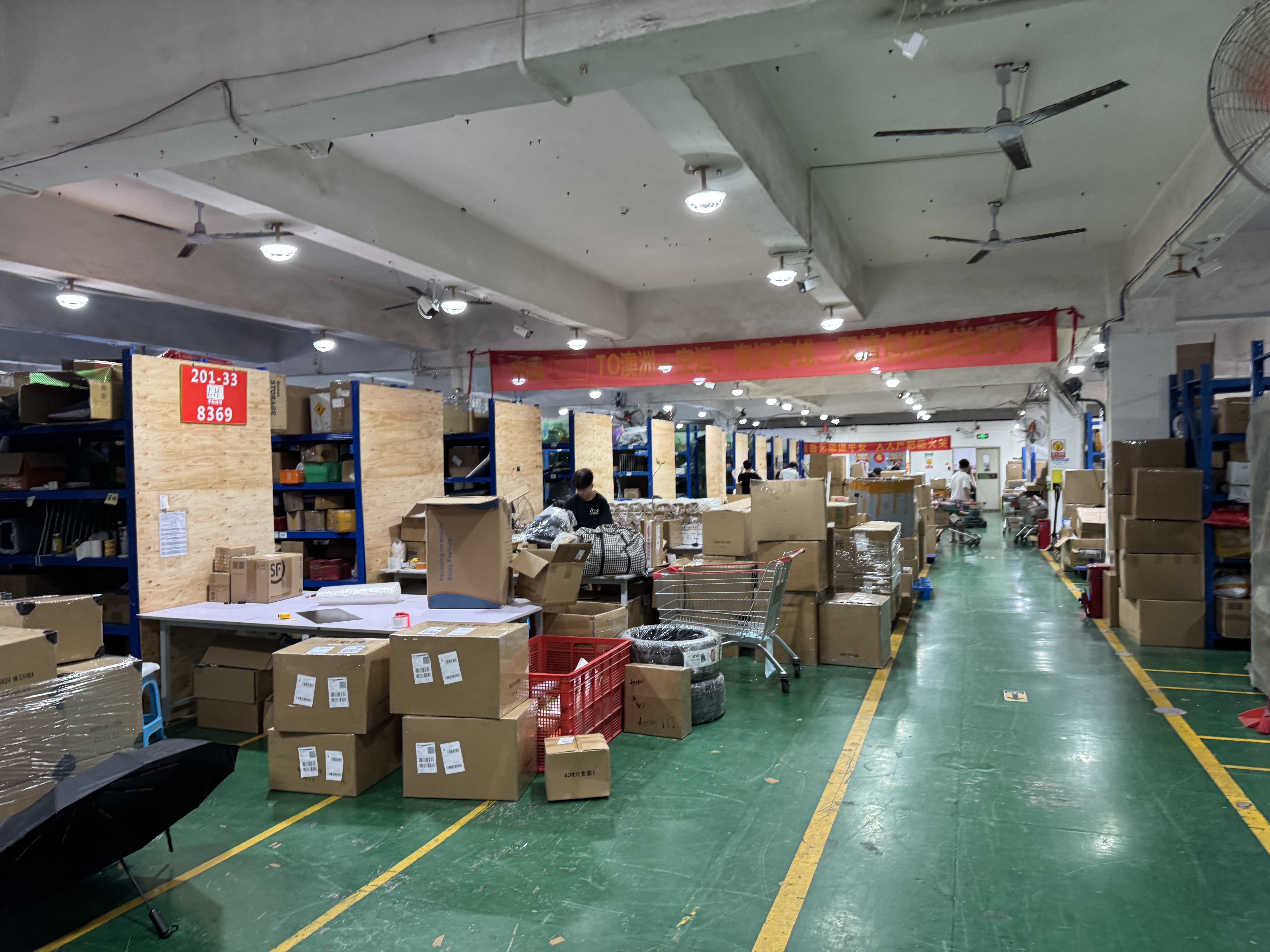
Q: How can I estimate the shipping time from China to Canada? A: Shipping time depends on the shipping method. Air freight is usually faster, taking around 7 - 12 days. Sea freight can take longer, typically 20 - 35 days, depending on the port of departure and arrival. But these are just rough estimates. Delays can happen, so it's best to work with a logistics provider that can give you more accurate information based on your specific shipment.
Q: Can I ship sensitive goods from China to Canada? A: Yes, you can, but you need to follow strict regulations. Some logistics providers, like [盛达国际物流], have dedicated compliance channels for shipping sensitive goods such as food, cosmetics, and带电产品. They can help you navigate the regulations and ensure a smooth shipment.
Q: What should I do if I receive damaged goods? A: If you receive damaged goods, first, take photos of the damaged items as evidence. Then, contact your logistics provider immediately. Most reliable providers, including [盛达国际物流], have a formal claims process. They'll assess the damage and provide appropriate compensation according to their policies.
Q: How can I track my shipment? A: Many logistics providers have online tracking systems. For instance, [盛达国际物流] has a self - developed intelligent collection and shipping system. You can log in to the system using your shipment details and track the status of your goods from the time they leave the warehouse in China until they reach your doorstep in Canada. Just make sure to ask for the tracking information when you book the shipment.
As you embark on your cross - border shipping journey, keep these tips in mind. By being well - informed and choosing the right logistics partner, you can avoid many common pitfalls and ensure a smooth shipping process.
