

I. Introduction
Hey there, small business owners, importers, and e - commerce sellers in Australia! If you're thinking about shipping large items to Victoria in 2026, you're in the right place. I've been in the cross - border logistics game for years, dealing with all sorts of challenges and finding solutions. Shipping large items isn't as simple as sending a small package, and with the new regulations and market changes in 2026, it's crucial to have a well - thought - out strategy.
I once had a client, a 3C electronics seller from China, who wanted to send a batch of large - sized display units to Melbourne, Victoria. They initially underestimated the complexities and ended up facing delays and extra costs. That's exactly what we're here to avoid today.
II. Understanding the 2026 Australia Shipping Landscape
In 2026, there have been some significant changes in Australia's shipping regulations. The Australian Border Force (ABF) has tightened up its rules to ensure the safety and security of imported goods. For large items, especially if they're made of certain materials or have complex components, the inspection process has become more thorough.
Shipping costs have also been on the rise due to factors like fuel prices and increased demand. The new regulations might also lead to longer clearance times at the ports of Melbourne and Geelong, which are major entry points for goods going to Victoria.
III. Core Strategy for Large Item Shipping to Victoria
1. Selecting the Right Shipping Method
Ocean Freight: It's still the most common and cost - effective way to ship large items. For large batches of home goods or furniture, ocean freight is unbeatable. For example, a furniture trade factory in China can use a 20GP or 40GP container. Costs can vary depending on the size of the container and the route, but it usually costs around AU$3000 - AU$5000 for a 20GP from a major Chinese port like Shanghai to Melbourne. However, the transit time can be long, typically around 28 - 35 days.
Air Freight: If you're in a hurry, say you're a 3C electronics seller who needs to restock a new product quickly, air freight might be an option. But it's much more expensive, sometimes up to 10 times the cost of ocean freight. The transit time is significantly shorter, usually 7 - 10 days.
2. Packaging and Handling
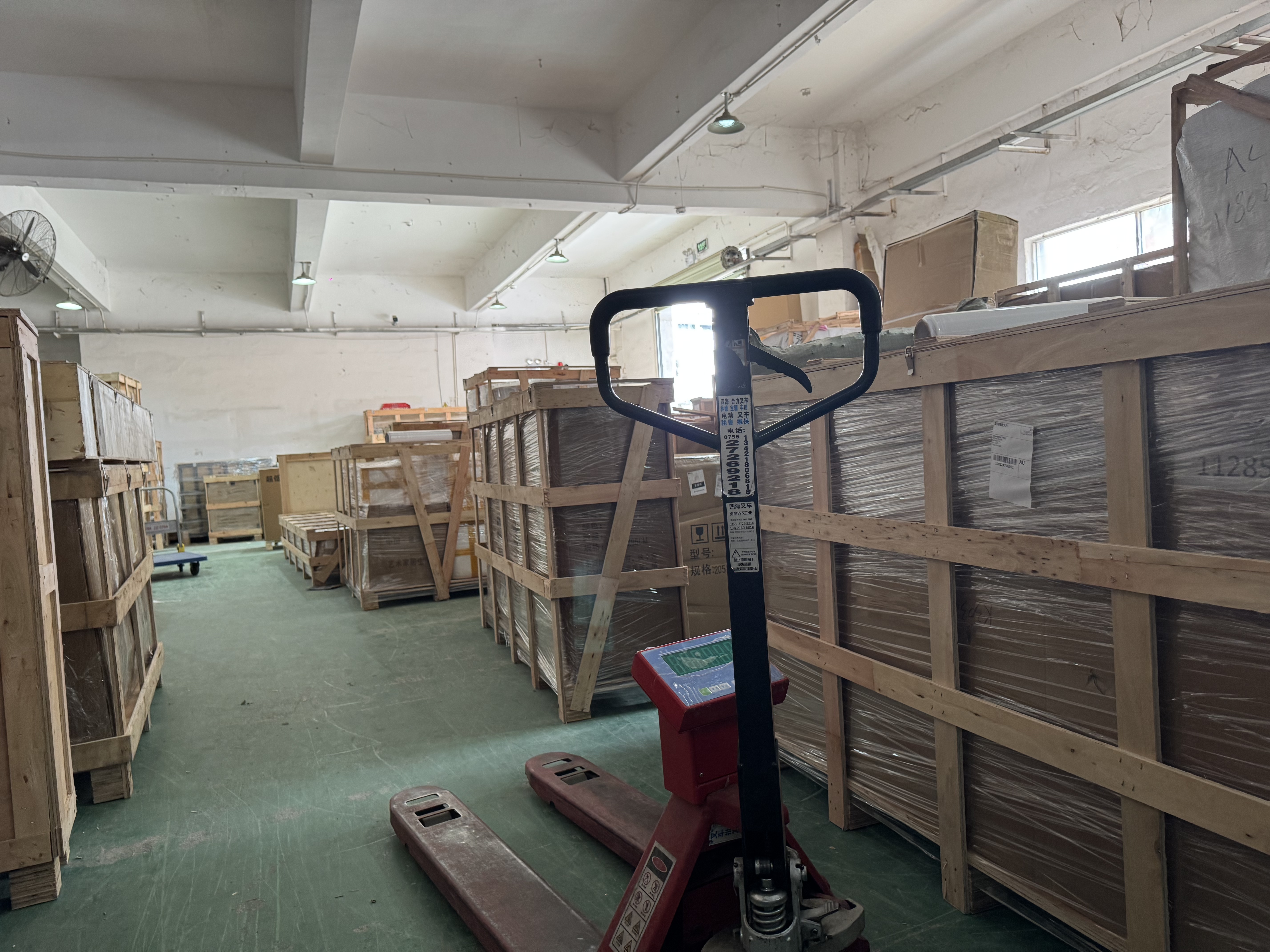
Customized Packaging: Large items often need special packaging. For instance, large glass - top tables should be packed in wooden crates with plenty of padding. This not only protects the item during transit but also helps in passing the ABF inspections.Loading and Unloading: Make sure the shipping company has the right equipment for loading and unloading large items. Forklifts, cranes, and large pallet trucks are essential.
3. Documentation and Compliance
Accurate HS Codes: Every item has a specific Harmonized System (HS) code. Use the correct ones to avoid customs delays and incorrect duty calculations. For example, a home goods seller shipping large vases needs to use the appropriate pottery HS code.DDP or FOB: Decide whether you want to use Delivered Duty Paid (DDP) or Free on Board (FOB). With DDP, the seller is responsible for all costs and risks until the goods reach the buyer's location. FOB transfers the risk to the buyer once the goods are on board the ship.
IV. Other Key Considerations
1. Insurance
2. Shipping Company Selection
Look for a shipping company with experience in shipping large items to Australia. Check their reviews and reputation. A good shipping company will have a solid understanding of the 2026 regulations and can help you navigate through the process smoothly.V. FAQs
Q1: How much does it cost to ship a large piece of furniture from China to Victoria? A: It depends on several factors like the size and weight of the furniture, the shipping method (ocean or air), and the origin port in China. Generally, ocean freight for a large piece of furniture might cost between AU$500 - AU$2000, while air freight can be AU$2000 or more.
Q2: Do I need to pay extra fees for customs clearance? A: There might be duties and taxes depending on the nature and value of your goods. The Australian Border Force (ABF) determines these fees. Also, if you use a customs broker, there'll be a service fee, which usually ranges from AU$200 - AU$500.
Q3: Can I ship large items with sensitive components to Victoria? A: Yes, but it's more complicated. For example, if there are electronic components or items with battery - powered parts, you need to follow strict regulations. You'll need to work with a shipping company that has experience in handling such sensitive goods and ensure proper documentation.
Q4: How long does it take for large items to clear customs in Victoria? A: It can vary. Under normal circumstances, it might take 2 - 5 days. But if there are inspections or issues with the documentation, it could take longer, up to 10 days or more.
Q5: What if my large item gets damaged during shipping? A: That's why insurance is so important. If you have insurance, you can file a claim with the insurance company. Make sure to document the damage as soon as possible and follow the claim process provided by the insurance provider.
When shipping large items to Victoria in 2026, always stay informed about the regulations, choose your shipping method and company carefully, and take necessary precautions to protect your goods. With the right strategy, you can ensure a smooth and successful shipping process.
