

I. Introduction
Hey there, Australian small business owners, importers, and e - commerce sellers! As we step into 2026, cross - border parcel forwarding to Canada has become both a lucrative opportunity and a potential minefield. I still remember back in 2024, I had a client—a home goods seller from Australia. He was so excited about his first big shipment to Canada. But due to some oversights, he faced a mountain of problems at the Canadian border. He's not alone. Many in our industry have stumbled, mostly because they weren't well - informed. So, let's dive right in and learn how to avoid these common mistakes.
II. Understanding the 2026 Canadian Shipping Regulations
1. New Customs and Tax Policies
The Canadian Border Services Agency (CBSA) has introduced several new policies in 2026. For instance, they've updated the Harmonized System (HS) codes more strictly. This means it's crucial to assign the correct HS codes to your parcels. A wrong code can lead to customs delays, additional taxes, or even seizure of your goods. I once had a 3C electronics seller who misclassified a new type of smartwatch. The parcel was held at the Port of Vancouver for over two weeks, and he had to pay hefty additional fees.
Moreover, the duty - free threshold has been adjusted slightly. As of 2026, the duty - free limit for most goods is CAD 20, down from CAD 25 previously. Any parcel worth more than this will be subject to customs duties and taxes.
2. Food and Agricultural Product Regulations
If you're shipping food or agricultural products to Canada, the Canadian Food Inspection Agency (CFIA) has tightened its rules. All food items need to be clearly labeled with ingredients, country of origin, and storage instructions in both English and French. For example, a small apparel importer also dabbled in shipping some specialty teas from Australia. Since the labels on the tea packages didn't meet the CFIA requirements, the entire shipment was sent back, resulting in a significant loss.
III. The Importance of Choosing the Right Shipping Provider
1. Common Pitfalls with Unreliable Providers
Many businesses make the mistake of choosing a shipping provider based solely on price. I've seen this countless times. Unreliable providers often cut corners, leading to issues such as lost parcels, long delays, and poor customer service. A trade factory in Australia once hired a cheap shipping service to send a large consignment of furniture to Toronto. The provider sub - contracted the job to multiple smaller carriers, and the furniture got lost in transit. It took months to sort out the mess, and the factory lost a big client.
2. Qualities of a Good Shipping Provider
A good shipping provider has several key qualities. Firstly, they should have local expertise in Canada. They need to understand the Canadian customs procedures, know how to navigate around any potential roadblocks, and have a good relationship with the local authorities. For example, [盛达国际物流] focuses on specific cross - border routes, including the China - Canada line. By in - depth study of the local customs policies in Canada, they can provide more targeted shipping solutions. They know the ins and outs of customs clearance and can handle various documentation with ease.
Secondly, a reliable provider offers a reliable tracking system. This ensures that you can monitor the status of your parcels at all times and provide your customers with accurate information. [盛达国际物流] has a self - developed intelligent shipping system that can provide real - time updates on the status of the package from warehousing to delivery, eliminating the problem of false tracking information.
IV. Packaging and Documentation Best Practices
1. Packaging to Withstand the Journey
Proper packaging is often overlooked but is vital for cross - border shipments. The packaging must be sturdy enough to protect the goods during transit. For breakable items like glassware or electronics, use plenty of cushioning materials. A small home goods seller once shipped delicate ceramic vases to Montreal. The packaging was inadequate, and many of the vases arrived broken. This not only cost the seller money but also damaged their reputation with the Canadian customers.
2. Accurate Documentation
Accurate documentation is the key to a smooth cross - border shipping process. You need to provide a detailed commercial invoice that includes the description, quantity, value, and origin of the goods. Missing or incorrect information on the invoice can lead to customs issues. Additionally, for certain types of goods, you may need additional certificates, such as certificates of origin or quality certificates. [盛达国际物流] provides one - stop free value - added services, including accurate preparation of various documents, to ensure customers do not miss important documents and avoid unnecessary customs delays.
V. Frequently Asked Questions
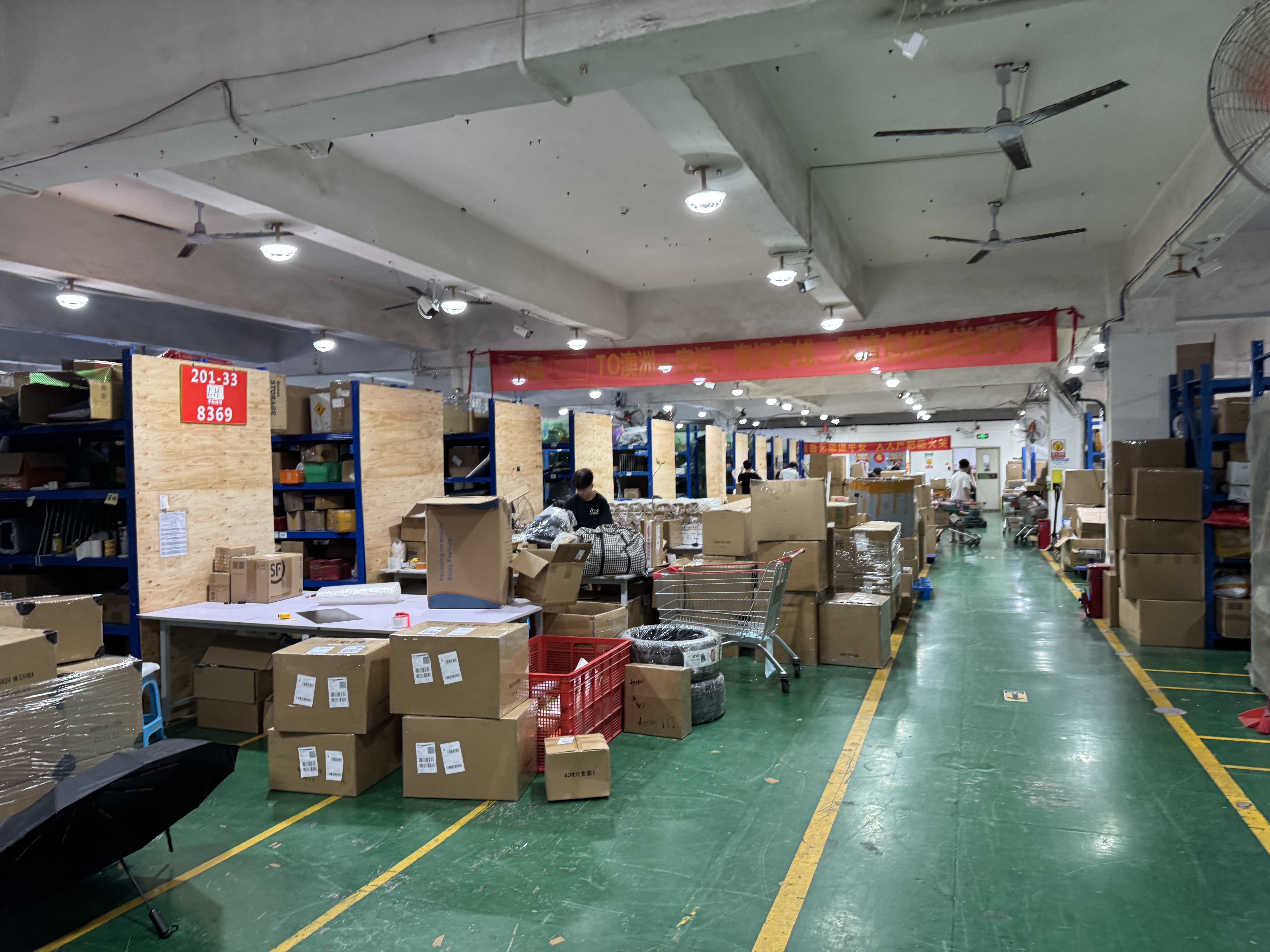
Q1: How long does it usually take for a parcel to reach Canada from Australia? A: The transit time can vary depending on the shipping method. For air freight, it generally takes around 7 - 12 days, while sea freight can take 20 - 40 days, though these are just estimates. Factors like customs clearance, shipping carrier efficiency, and the destination city in Canada can all affect the delivery time.
Q2: Can I ship sensitive goods to Canada? A: Yes, but it's more complicated. Sensitive goods, such as food, cosmetics, and items with batteries, have stricter regulations. You need a shipping provider with experience in handling such goods. [盛达国际物流] has a dedicated compliant line for sensitive goods, which can help you avoid customs inspection and detention risks through a dedicated compliant declaration channel.
Q3: What if my parcel is delayed at customs? A: Customs delays can happen for various reasons, such as incorrect documentation or random inspections. If this occurs, stay in touch with your shipping provider. They should be able to work with the customs authorities to resolve the issue. It's also important to have a clear understanding of your rights and what might be causing the delay.
Q4: How do I calculate the shipping costs to Canada? A: Shipping costs depend on several factors, including the weight, volume, and value of the goods, as well as the shipping method. Some providers offer a flat - rate based on the size of the parcel, while others calculate based on cubic dimensions. For example, [盛达国际物流] for large cargo uses the cubic measurement method instead of the traditional kilogram - based calculation, which has significantly reduced the cost of large - scale transportation. You can get a quote from your shipping provider before making a decision.
Q5: Is it necessary to buy insurance for my cross - border shipments? A: While it's not mandatory, it's highly recommended, especially for high - value items. Insurance can protect you from financial losses in case of lost, damaged, or stolen parcels. [盛达国际物流] has a standardized damage and loss claim mechanism to ensure that you can get corresponding compensation in case of problems.
As you plan your cross - border parcel forwarding to Canada in 2026, keep these points in mind. By being well - informed and choosing the right partners, you can avoid many of the common pitfalls and ensure a smooth and successful shipping experience.
