

Introduction
As an importer dealing with sofas from China, you're probably aware that shipping them to Australia can be filled with challenges. I've been in the middle of cross - border logistics for years, handling numerous shipments of sofas and other furniture items. In 2026, new policies and common issues have made it even more crucial to know how to navigate this process smoothly. Let me share some insights on how you can avoid the common pitfalls.
I. Understanding the 2026 Policies and Regulations
The Australian Border Force (ABF) and the Department of Agriculture, Fisheries and Forestry (DAFF) have always had strict regulations for imported goods, and 2026 is no different. In fact, there have been some significant biosecurity updates. For instance, the requirement for timber and furniture products to be free from pests and diseases has been tightened. When shipping sofas, which often contain wood components, they must be treated properly to meet these standards.
I had a client back in 2024 who didn't fully understand these regulations. They shipped a batch of sofas that were not properly treated for pests. The result? The shipment was held at Port Botany for over two weeks, incurring significant storage fees and causing delays in their business operations.
On top of biosecurity, the customs valuation process has also become more detailed. You'll need to have accurate and detailed invoices for your sofas. This means listing the cost of materials, manufacturing, and any other associated costs. Failing to do so could lead to incorrect customs duties being applied, which might result in additional fees or even fines.
II. Selecting the Right Shipping Method
There are two main shipping methods for sofas from China to Australia: sea freight and air freight. Sea freight is the more common choice due to the large size of sofas. However, it has its own set of pros and cons.
1. Sea Freight
Advantages: Sea freight is generally more cost - effective for large and heavy items like sofas. It can handle full containers or less - than - container - load (LCL) shipments. For instance, if you're a small importer shipping 5 - 6 sofas, you can use LCL to save costs.Disadvantages: The transit time is much longer, usually around 20 - 30 days depending on the port of departure and arrival. For example, a shipment from Shanghai to Port of Melbourne might take about 22 days. Delays can also occur due to bad weather, port congestion, or mechanical issues with the vessel.
I once worked with a home goods seller in Sydney who chose sea freight for a large order of sofas. They didn't account for the possible delays. A major storm in the South China Sea caused a week - long hold - up. As a result, their in - store launch of the new sofa collection had to be postponed, and they lost potential sales.
2. Air Freight
Advantages: Air freight is incredibly fast. If you need to restock your inventory quickly or meet a tight deadline, it can get your sofas to Australia in 7 - 10 days.Disadvantages: It's extremely expensive. The cost per kilogram for air freight can be 5 - 10 times higher than sea freight. This makes it unfeasible for large - scale imports of sofas, except in urgent situations.
III. Packaging and Handling
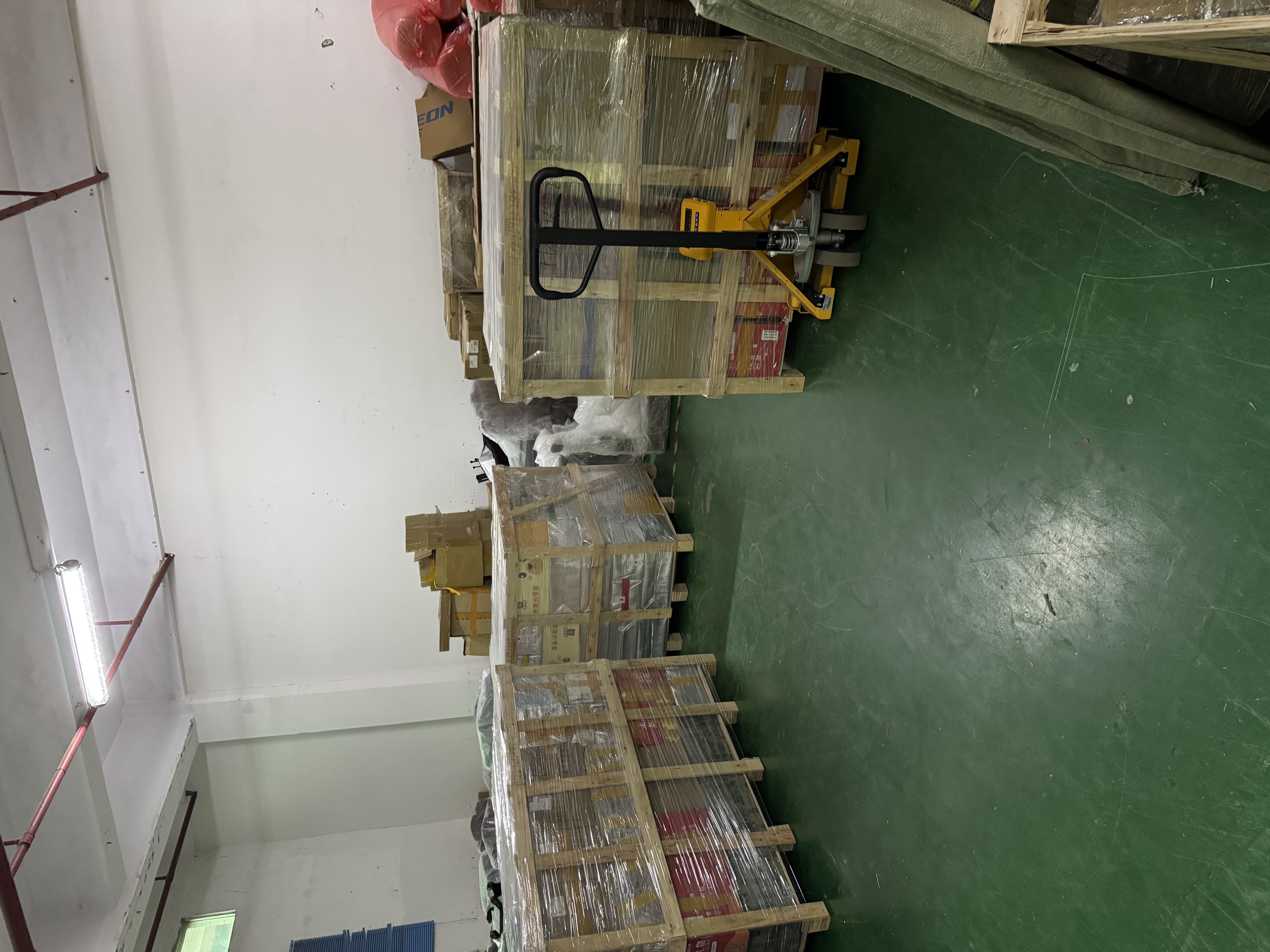
Proper packaging is essential to ensure your sofas arrive in good condition. Sofas are bulky and can be easily damaged during transit. Use high - quality materials such as heavy - duty cardboard, bubble wrap, and wooden braces. You should also consider the climate during transit. If the shipment is going to be exposed to high humidity, ensure the packaging is moisture - resistant.
I remember another case where an apparel importer decided to import a small lot of sofas as a side - business. They didn't pay much attention to the packaging. The sofas were wrapped in thin plastic, and during the long sea journey, moisture seeped in, causing the fabric on the sofas to mold. They had to either sell the sofas at a significant discount or dispose of them, resulting in a big financial loss.
Also, when loading and unloading the sofas, use professional handling equipment and trained staff. Forklifts and pallet jacks should be used carefully to avoid any impact damage.
IV. Working with a Reliable Logistics Provider
One of the biggest pitfalls you can fall into is working with an unreliable logistics provider. They might overcharge you, provide poor service, or have a lack of experience in handling sofa shipments.
When choosing a logistics provider, look for one that has experience in cross - border sofa shipping. Check their track record, read reviews from other importers, and ask for references. A good provider like Shengda International Logistics has a team of experts who understand the 2026 policies, can handle packaging and shipping efficiently, and offer transparent pricing.
I've seen importers who tried to save a few dollars by going with an unknown logistics company. These companies often cut corners, leading to damaged goods, missed deadlines, and hidden fees.
FAQ
Q: How much does it cost to ship a sofa from China to Australia in 2026? A: The cost can vary. Sea freight for a single sofa might cost around $300 - $500 if using LCL, depending on the size and weight. Air freight would be significantly higher, perhaps $2,000 - $3,000 per sofa. Shipping cost also depends on factors like packaging, insurance, and any additional services.Q: Do I need special permits to ship sofas from China to Australia? A: It depends on the materials of the sofa. If it contains wood, you'll need to ensure it meets the biosecurity standards. You may also need to provide detailed invoices for customs valuation. Shengda International Logistics can help you with the necessary documentation and permits.
Q: How can I ensure my sofa arrives on time? A: Plan ahead and choose a reliable logistics provider. If possible, avoid peak shipping seasons when ports are congested. Also, consider purchasing shipping insurance in case of unexpected delays.
Q: What if my sofa is damaged during transit? A: First, make sure you've purchased shipping insurance. Then, document the damage immediately upon arrival. Contact your logistics provider and they should guide you through the claim process. Companies like Shengda International Logistics have a proper claims procedure in place.
Q: Can I track my sofa shipment? A: Most reputable logistics providers offer shipment tracking. Shengda International Logistics, for example, has a self - developed intelligent shipping system that allows you to track your shipment from the moment it leaves the warehouse in China until it arrives in Australia.
Are you ready to take on the challenge of importing sofas from China to Australia in 2026? By keeping these tips in mind, you can minimize the risks and make the process smoother.
