

I. Introduction
Hey there, Australian small business owners, importers, and e - commerce sellers! Shipping consolidated luggage from China to Australia has become a common practice, but it's not always a smooth ride. I've been in the cross - border logistics front - line for years, and I've seen many people stumble along the way. In 2026, there are some new policies and long - standing issues in the Sino - Australian shipping route that you really need to be aware of. Let's dive into what you should avoid to make your shipping experience hassle - free.
II. Policy - related Pitfalls
The Australian Border Force (ABF) has tightened up its regulations in 2026. One client of mine, a home goods seller in Sydney, was in for a shock. He shipped a large consignment of bamboo furniture without knowing about the new bio - security requirements. The new regulations require thorough inspection and, in some cases, treatment of plant - based materials to prevent the introduction of pests and diseases.
Bio - security Declaration Errors You must accurately declare all items in your consolidated luggage. For example, if you're shipping food products, you need to specify details like the type of food, ingredients, and country of origin. A 3C electronics seller from Melbourne once mis - declared some electronic components with attached small batteries. This led to a significant delay at Port Botany as the Australian Department of Agriculture, Fisheries and Forestry (DAFF) had to conduct additional safety checks.To avoid this, always double - check your bio - security declarations. Use the official DAFF guidelines, which are available online. It might seem like a hassle, but it saves you a lot of time and money in the long run.
Tariff and Quota Changes In 2026, there have been some adjustments to tariffs and quotas on certain goods. For instance, there's a new quota on imported textile products. An apparel importer from Brisbane found this out the hard way when a large shipment of Chinese clothing was held up due to exceeding the quota. Make sure you stay updated on the latest tariff schedules and quota limits. You can subscribe to ABF's official newsletters or consult with a professional customs broker.
III. Logistics and Shipping Process Blunders
The shipping process from China to Australia is complex, with many steps where things can go wrong. I once had a trade factory client that was shipping a large consignment of machinery parts. They made some common mistakes that caused unnecessary delays and extra costs.
Selecting the Wrong Shipping Method There are two main options for shipping consolidated luggage: air freight and sea freight. Air freight is fast but expensive, suitable for small, high - value, or time - sensitive items. Sea freight is more cost - effective for large volumes but takes longer. A 3C electronics seller thought he could save money by choosing sea freight for a new product launch in Sydney. But the long shipping time meant he missed the peak sales season. Before choosing a shipping method, consider factors like the nature of your goods, delivery deadlines, and budget.Another point to note is that there have been disruptions in sea freight schedules in 2026 due to global shipping issues. So, make sure to leave some buffer time if you choose sea freight.
Poor Packaging Inadequate packaging can lead to damaged goods during transit. A home goods seller in Melbourne shipped a batch of glassware without proper cushioning. By the time the shipment arrived at Port of Melbourne, many of the items were broken. When packing your goods, use appropriate materials like bubble wrap, foam, and sturdy boxes. For fragile items, consider double - boxing or adding extra layers of protection. Also, clearly label fragile items to ensure proper handling.
Incomplete Documentation Proper documentation is crucial for smooth customs clearance. This includes the bill of lading, commercial invoice, packing list, and any relevant certificates. A trade factory in China once sent a shipment without a proper certificate of origin. The goods were held up at the Australian customs for almost two weeks while they sorted out the paperwork. Always ensure that all your documentation is complete and accurate before shipping. Check with your freight forwarder or customs broker if you're unsure about any specific requirements.
IV. Choosing the Wrong Logistics Partner
Picking the right logistics partner can make or break your shipping experience. In my early days in the industry, I saw a small e - commerce seller in Brisbane suffer because of a dishonest freight forwarder.
Lack of Experience and Reputation Some new or unestablished logistics companies may offer low prices but lack the necessary experience and resources to handle your shipment properly. An apparel importer decided to go with a cheap, unknown freight forwarder. The company was unable to navigate the new 2026 customs regulations, and the shipment was stuck at the port for weeks. When choosing a logistics partner, look for companies with a good track record in the Sino - Australian shipping route. Check online reviews, ask for references from other businesses, and make sure they have experience dealing with your specific type of goods.Hidden Costs Some unscrupulous logistics providers may have hidden costs. They might offer a low initial quote but then add on extra fees for things like handling, storage, or documentation. I had a client who was shocked to find out that the final bill was almost double the original quote. Before signing a contract with a logistics partner, get a detailed breakdown of all costs. Make sure you understand what is included and what additional charges you might incur.
V. FAQ
Q: How can I ensure my shipment complies with the new 2026 Australian bio - security regulations? A: First, always accurately declare all items in your shipment. Use the official DAFF guidelines to understand the requirements for different types of goods. You can also consult with a professional customs broker who is well - versed in the new regulations. They can help you prepare the necessary documentation and ensure your goods meet the standards.Q: What should I do if my shipment is held up at customs? A: If your shipment is held up at customs, don't panic. First, contact your freight forwarder or customs broker. They can work with the customs authorities to find out why the shipment is being held and what steps you need to take to resolve the issue. It might involve providing additional documentation or having your goods inspected.
Q: Is it better to use a large logistics company or a smaller, specialized one? A: It depends on your specific needs. Large logistics companies often have more resources and a wider network, which can be beneficial for large - scale shipments. However, smaller, specialized companies may have more in - depth knowledge of a particular shipping route or type of goods. For example, if you're shipping a lot of sensitive 3C electronics, a specialized company that has experience with handling electronics and navigating the relevant regulations might be a better choice.
Q: How can I get the most cost - effective shipping for my consolidated luggage? A: Compare quotes from different logistics providers, but don't just go for the cheapest option. Consider factors like shipping time, reliability, and the services included. If you have time, sea freight is usually more cost - effective for large volumes. Also, work with a logistics partner like Shengda International Logistics. They offer different shipping solutions and can help you find the most suitable and cost - effective option based on your specific requirements. They have a transparent pricing system, so you don't have to worry about hidden costs.
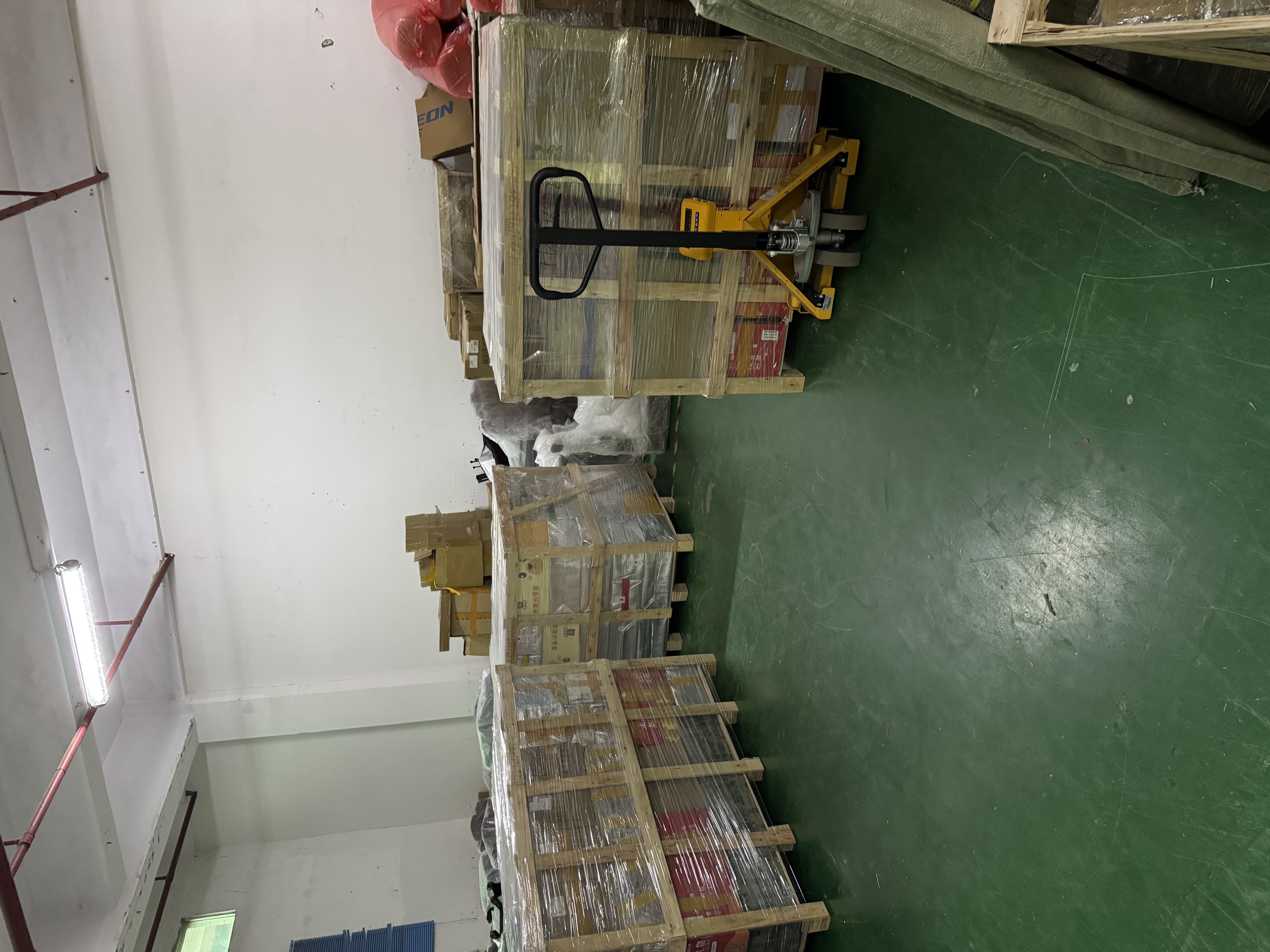
Q: What should I include in my packaging to ensure my goods arrive safely? A: Use appropriate packing materials. For fragile items, use bubble wrap, foam, or air pillows to cushion them. Sturdy boxes are essential, and for larger items, you might need to use wooden crates. Label your packages clearly, especially if they contain fragile or perishable items. If you're shipping a lot of small items together, consider using dividers or individual compartments to prevent them from shifting during transit.
In 2026, shipping consolidated luggage from China to Australia can be a smooth process if you avoid these common pitfalls. Stay informed, choose your logistics partners wisely, and follow the regulations carefully. By doing so, you can ensure your goods arrive on time and in good condition, giving your business a competitive edge.
