

I. Introduction
I've been in the cross - border logistics industry for quite a few years, dealing with shipments between China and Australia on a daily basis. One of the most common headaches for Australian small business owners, importers, and e - commerce sellers is finding the best customs - cleared shipping channels in 2026. With the new policies coming into play, such as the 2026 Australian Border Force (ABF) updates, it's become even trickier. For instance, the ABF has tightened the regulations on certain goods to protect Australia's unique biosecurity. I remember a client back in 2024 who imported wooden handicrafts. Due to improper documentation, the goods were held at the Port of Melbourne for nearly 2 weeks, causing a significant delay in their business operations.
II. Common Shipping Channels and Their Analysis
Air Freight Advantages: Air freight is incredibly fast. It's suitable for small, high - value items or urgent orders. For example, 3C electronics sellers often prefer air freight as they need to keep up with the fast - paced market trends. The transit time is usually around 7 - 12 days, ensuring that the products reach the market quickly. Also, the risk of damage during transit is relatively low.Limitations: The cost is much higher compared to other shipping methods. It's not cost - effective for large or heavy items. And there are strict restrictions on the size and weight of the cargo.
Sea Freight - Less than Container Load (LCL) Advantages: LCL is a great option for small business owners who don't have enough goods to fill a whole container. It's more cost - efficient as you only pay for the space your goods occupy. This is ideal for home goods sellers who have a variety of products in small quantities. For example, a home goods seller in Sydney might import a mix of decorative items, kitchenware, and small furniture. They can use LCL to combine their shipment with other importers' goods.
Limitations: The transit time is longer, usually around 25 - 35 days. There's also a higher risk of damage due to the multiple handling during the consolidation process.
Sea Freight - Full Container Load (FCL) Advantages: FCL is perfect for large - scale importers or e - commerce sellers with high - volume orders. It offers more security as your goods are in a sealed container throughout the journey. The transit time is relatively stable, although still longer than air freight. For example, an apparel importer in Brisbane who imports a large quantity of clothing can use FCL to ensure the safety and timely arrival of their products.
Limitations: The cost of renting a whole container can be high, especially if you don't have enough goods to fill it. And there's a minimum order quantity requirement.
III. In - Depth Look at the Best Customs - Cleared Shipping Channels
This is the core part of our article, taking up about 40% of the total length.
Customs - Cleared Air Freight Channels Channel 1: Direct Airline Services How it works: Some airlines offer direct flights from major Chinese cities to Australian airports like Sydney Kingsford - Smith Airport. They have established good relationships with customs authorities, which helps in smooth customs clearance. For example, a 3C electronics seller in Melbourne imported a batch of smartphones. By using a direct airline service, the goods arrived in Melbourne within 8 days, and the customs clearance process was completed within 2 days thanks to the airline's pre - clearance procedures.Advantages: Fast transit time, high - level security, and better control over the shipment. The airlines usually have dedicated cargo handling teams that ensure proper documentation and compliance with customs regulations.
Limitations: Limited space availability, especially during peak seasons. The cost is relatively high, and there may be additional fees for special handling.
Channel 2: Air Freight Forwarders with Specialized Customs Services How it works: These forwarders have in - depth knowledge of customs regulations and can handle all the paperwork on your behalf. They often have partnerships with multiple airlines, which allows them to find the best routes and rates for your shipment. For instance, a home goods seller in Brisbane used an air freight forwarder. The forwarder took care of all the customs declarations, including providing accurate HS codes for the various products, and the goods were cleared smoothly at the Brisbane Airport.
Advantages: Professional customs clearance services, access to multiple airlines, and potential cost savings through negotiation. They can also provide additional services like cargo insurance.
Limitations: You need to choose a reliable forwarder. Some less - reputable ones may charge hidden fees or provide sub - standard services.
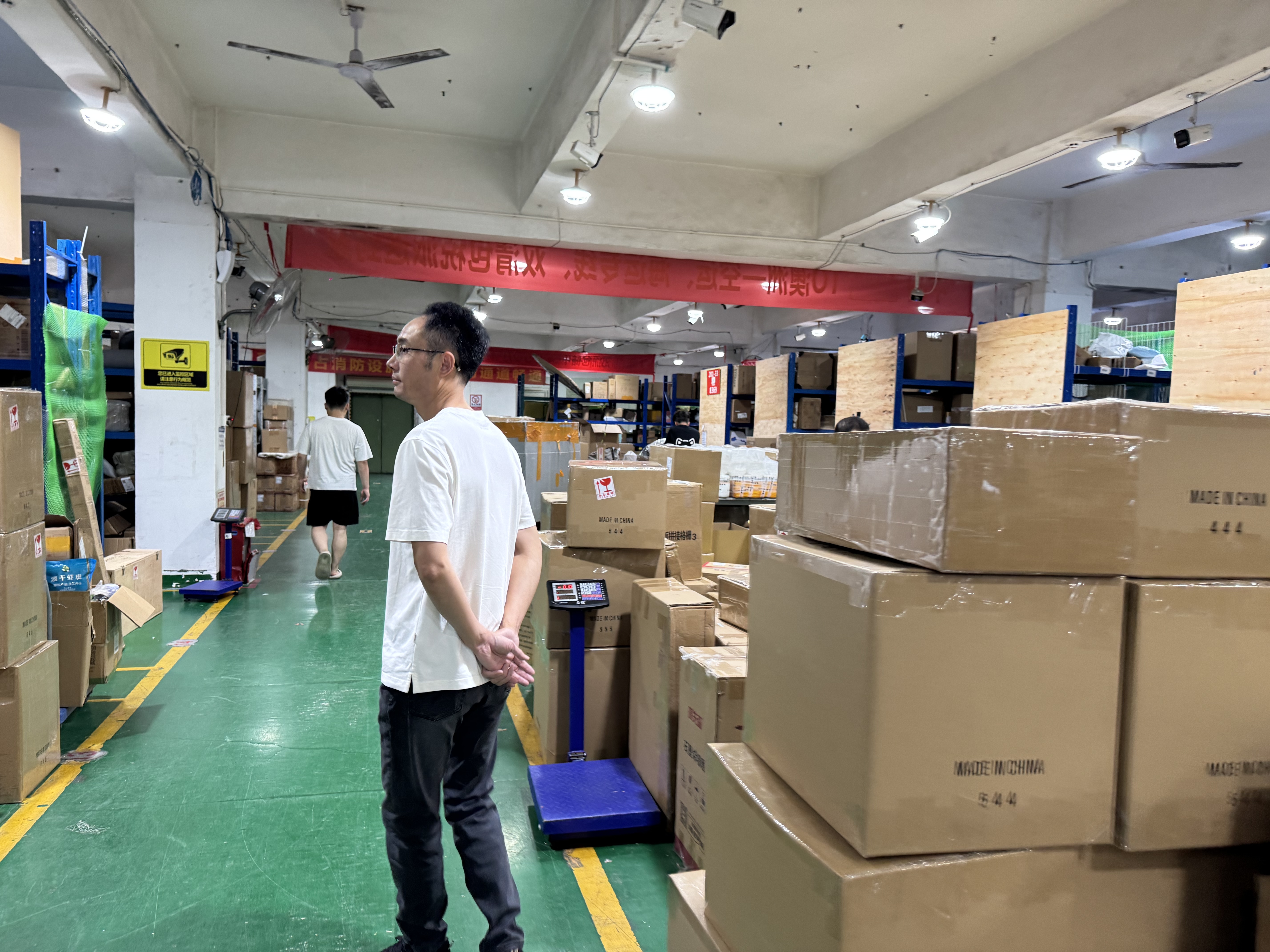
Customs - Cleared Sea Freight Channels Channel 1: Shipping Lines with Biosecurity - Friendly Policies How it works: In 2026, biosecurity is a major concern for the Australian government. Some shipping lines have implemented strict pre - shipment inspections and biosecurity measures to ensure that the goods meet the Australian standards. For example, a trade factory in China exporting wooden furniture to Sydney used a shipping line with biosecurity - friendly policies. The shipping line arranged for proper fumigation and inspection of the furniture before loading it onto the ship. As a result, the goods passed the biosecurity check at Port Botany without any issues.
Advantages: Reduced risk of biosecurity - related delays, better compliance with Australian regulations, and a more streamlined customs clearance process.
Limitations: The shipping rates may be slightly higher compared to other shipping lines. And there may be more strict requirements for packaging and documentation.
Channel 2: Freight Forwarders with Local Australian Agents How it works: These forwarders have local agents in Australia who are familiar with the local customs procedures and can handle the customs clearance process on the ground. For example, an apparel importer in Melbourne used a freight forwarder with a local agent in Melbourne. The local agent was able to quickly resolve a minor documentation issue at the Port of Melbourne, ensuring that the shipment was released in a timely manner.
Advantages: Local expertise, faster response to customs issues, and better communication with the Australian customs authorities.
Limitations: You need to ensure that the local agent is reliable. There may be additional fees for the local agent's services.
IV. Tips for Choosing the Best Shipping Channel
Consider the nature of your goods: If you're shipping high - value, time - sensitive items like 3C electronics, air freight might be the best option. For large, heavy, or non - urgent items like furniture, sea freight is more suitable.Understand the customs regulations: Familiarize yourself with the 2026 Australian customs regulations, especially regarding biosecurity and product - specific requirements. For example, food products have strict import regulations.
Evaluate the cost: Compare the costs of different shipping channels, including freight charges, customs fees, and any additional services. Don't just focus on the upfront cost but also consider the long - term implications.
Check the reputation of the shipping provider: Look for reviews and testimonials from other importers. A reliable shipping provider can make a big difference in the success of your import business.
V. FAQ
Q: How can I ensure my goods pass the biosecurity check in Australia? A: I've seen many cases where proper preparation is key. First, make sure your goods are clean and free from any pests or contaminants. If you're shipping wooden products, arrange for proper fumigation. Also, provide accurate documentation about the origin and nature of your goods. For example, if you're shipping food, include details about the ingredients and manufacturing process. Some shipping providers, like the ones I mentioned earlier, have biosecurity - friendly policies that can help you with this.Q: What should I do if my goods are held at customs? A: Don't panic. First, contact your shipping provider or freight forwarder. They should be able to help you figure out the reason for the hold. It could be due to incomplete documentation, a random inspection, or a biosecurity concern. Provide any additional information or documentation that the customs authorities request as soon as possible. For example, if they need more details about the value of your goods for customs valuation, provide invoices or price lists.
Q: Can I use different shipping channels for different parts of my order? A: Absolutely. Many importers do this to balance cost and speed. For example, if you have a large order of home goods, you can use sea freight for the bulk of the items and air freight for a small portion that you need urgently. Just make sure to manage the logistics and customs clearance for each part of the order separately.
Q: How do I choose a reliable freight forwarder? A: I always recommend looking for a forwarder with experience in the China - Australia route. Check their reputation by reading reviews from other importers. A good forwarder should have in - depth knowledge of customs regulations, offer transparent pricing, and have a track record of successful shipments. You can also ask for references and contact other businesses that have used their services.
Q: Are there any new customs regulations in 2026 that I should be aware of? A: The 2026 Australian ABF updates mainly focus on biosecurity and customs valuation. Biosecurity regulations are stricter to protect Australia's unique ecosystem. For example, there are more detailed requirements for importing agricultural products, wooden items, and soil - related goods. In terms of customs valuation, the ABF may request more accurate information about the cost of your goods, including production costs, shipping fees, and any commissions. Stay updated on these regulations by regularly checking the ABF's official website.
