

I. Introduction
Hey there, Aussie small business owners, importers, and e - commerce sellers! If you're involved in shipping goods from China to Australia, you're probably aware that the shipping process is rife with challenges. In 2026, new regulations and existing policies are in place that can affect what you can and can't ship via sea. I've been in the cross - border logistics game for years, dealing with all sorts of real - world situations. I'll share some personal anecdotes and practical know - how to help you navigate these shipping restrictions.
II. Common Shipping Restrictions in 2026
1. Prohibited and Restricted Goods – General Overview
There are several categories of goods that face restrictions or are outright prohibited in sea shipments to Australia in 2026. For instance, flammable and explosive materials are strictly forbidden. Just a few years back, I had a client in the home goods business in Sydney who wanted to ship some novelty items with small pyrotechnic elements. These were blocked at the Chinese port because of the high fire and explosion risk.
Another major category is drugs and narcotics. The Australian Border Force (ABF) has zero tolerance for any illegal drug shipments. Even some prescription drugs need special permits. I once had an apparel importer in Melbourne who accidentally included some over - the - counter medications that required a permit. The shipment was held up for weeks until the proper documentation was sorted.
2. Food and Agricultural Products
Food and agricultural items are subject to strict regulations due to biosecurity concerns. For example, fresh fruits and vegetables often carry pests and diseases that could harm Australia's agricultural ecosystem. In 2026, the ABF has tightened the rules further. A 3C electronics seller in Brisbane once tried to include a small batch of homemade snacks in a shipment. The snacks contained nuts, which are a high - risk item due to potential mold and pests. The entire shipment was quarantined and inspected, leading to significant delays.
Also, meat products need to meet strict health and safety standards. Many traditional Chinese meat products might not be allowed without proper processing and certification. I've seen cases where a trade factory in China sent over some cured meats without the required Australian certifications. The goods were destroyed at the port.
3. Hazardous Materials
Hazardous chemicals, including some types of cleaning agents and industrial solvents, fall under strict shipping restrictions. Shipping them requires special packaging, labeling, and documentation. A Melbourne - based home goods seller once tried to ship a new line of eco - friendly cleaning products. Some of the ingredients were considered hazardous, but they didn't label the products correctly. The shipment was flagged, and there were hefty fines involved.
III. Special Considerations for Different Industries (40% of the content)
1. Home Goods Sellers
Home goods sellers often deal with a wide range of products, some of which may have restricted components. For example, certain types of candles have a wax formula that involves chemicals classified as hazardous. A seller in Adelaide tried to ship a large batch of scented candles with a high - alcohol content fragrance. The Australian authorities stopped the shipment because of the flammable nature of the alcohol.
Some home decor items made from natural materials like wood or bamboo need to be treated for pests. I worked with a business owner in Perth who shipped hand - carved wooden furniture. The wood was not properly treated, and the shipment was held up for months while the fumigation process was arranged.
2. 3C Electronics Sellers
3C electronics often contain batteries, which are considered a hazardous good. In 2026, the Australian government has updated the regulations regarding battery shipments. A Sydney - based seller sent a large consignment of smartphones with lithium - ion batteries. Due to improper packaging and documentation, the shipment was delayed by over 10 days.
Some electronic appliances may also have radio - frequency emitters. These need to meet Australian standards to operate legally. An importer in Melbourne had a batch of smart home devices that did not meet the local frequency regulations. The goods were either required to be modified or returned to the seller, incurring significant costs.
3. Apparel Importers
Apparel made from certain animal fibers, like endangered species' fur or feathers, is strictly prohibited. Even some natural fibers may require a certificate of origin to ensure they are not harvested from protected animals. I had an apparel importer in Canberra who tried to import some luxury coats made from a type of rare wool. Without the proper documentation, the coats were seized at the port.
Also, some dyes used in clothing may contain harmful chemicals. In 2026, Australia has more stringent rules on chemical residues in textiles. An e - commerce seller in Brisbane once had a consignment of brightly - colored T - shirts detained because the dyes used did not meet the new environmental and health standards.
4. Trade Factories
Trade factories often ship large - scale products, and they need to be extra cautious about regulations. For example, large machinery may have oil - filled components. These need to be properly drained or sealed to prevent spills during transit. A factory in China was shipping construction equipment to a client in Darwin. The oil seals in some of the machines were faulty, and the shipment was held up at the port for inspections and repairs.
Some industrial products may also be subject to anti - dumping regulations. If a factory is found to be selling products below the market price, they may face tariffs and restrictions. I'm aware of a trade factory that was exporting steel products to Melbourne. Due to suspicions of anti - dumping, their shipments were investigated, and they had to pay additional duties.
IV. How to Comply with the Shipping Restrictions
1. Pre - Shipment Checks
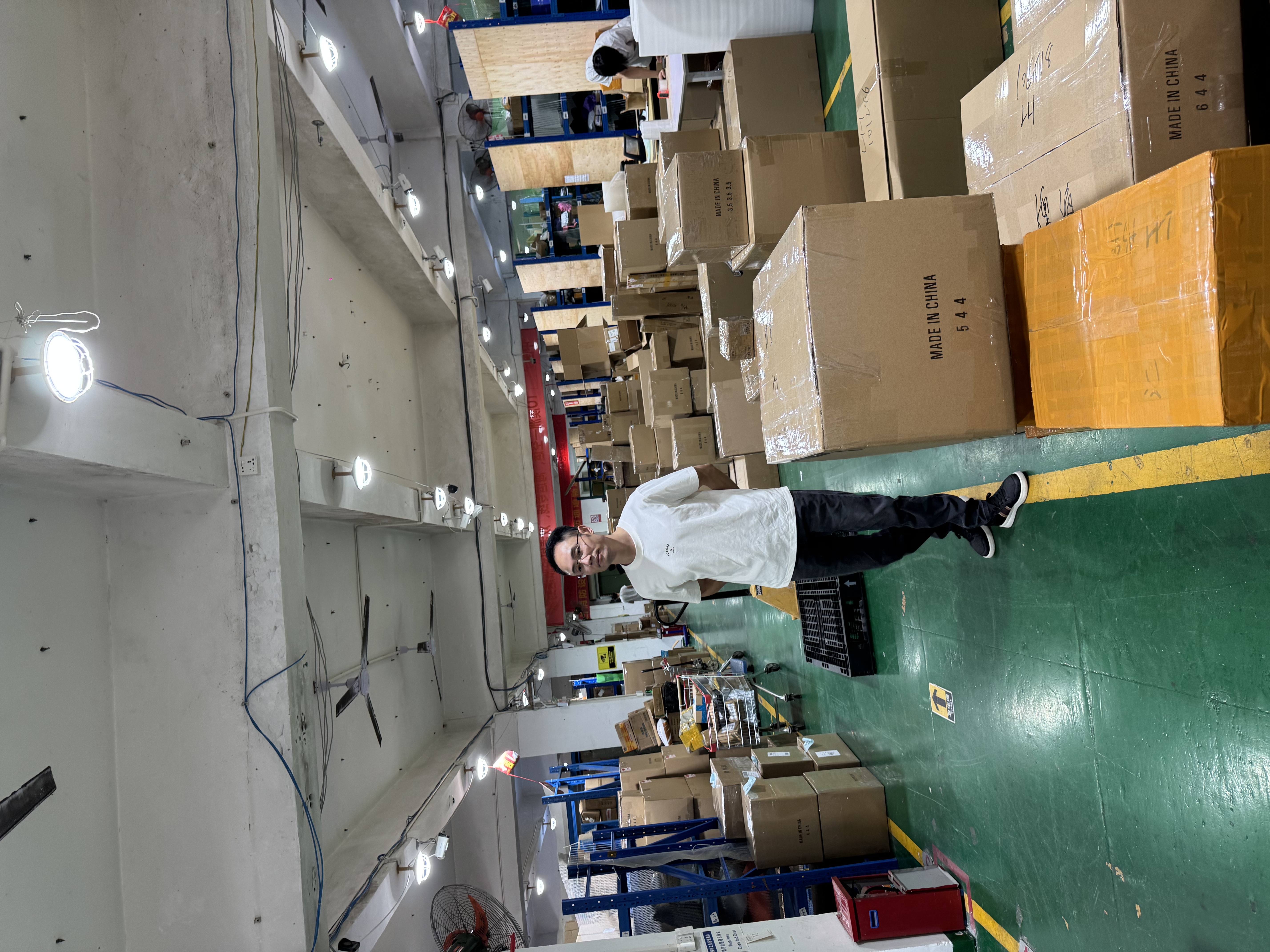
Before shipping any goods, conduct thorough pre - shipment checks. This includes verifying the nature of the goods, their components, and any relevant permits. For example, if you're shipping food products, check with the Australian Food Standards Code to ensure compliance.
2. Documentation
Prepare accurate and complete documentation. This includes commercial invoices, packing lists, and certificates of origin. For restricted goods, make sure you have all the necessary permits and approvals. I've seen many shipments held up because of incomplete or incorrect paperwork.
3. Working with a Reliable Logistics Partner
Partner with a logistics provider like Shengda International Logistics. They have in - depth knowledge of the shipping regulations and can help you navigate the complex process. They can handle all aspects of the shipment, from packaging to customs clearance, ensuring that your goods reach their destination smoothly.
V. FAQ
Q1: What should I do if my shipment is held up due to a shipping restriction? A: First, don't panic. Contact your logistics provider immediately. They can help you understand the issue and guide you through the process of resolving it. This may involve providing additional documentation, re - packaging the goods, or modifying the products to meet the regulations.
Q2: Are there any exceptions to the shipping restrictions? A: In some cases, there may be exceptions. For example, certain scientific research samples or medical supplies may be allowed under special permits. You'll need to apply for these permits well in advance and provide detailed information about the goods.
Q3: How often do the shipping regulations change? A: The shipping regulations can change quite frequently, especially in response to new health and safety concerns or international agreements. It's crucial to stay updated on the latest regulations by following official announcements from the Australian Border Force or working with a knowledgeable logistics partner.
Q4: Can I ship second - hand goods to Australia? A: Yes, you can, but second - hand goods also need to comply with the shipping regulations. For example, second - hand electronics may need to be tested for proper functioning and compliance with Australian standards. Second - hand furniture may need to be inspected for pests.
Q5: Does the size of my shipment affect the shipping restrictions? A: Generally, the shipping restrictions apply regardless of the size of the shipment. However, larger shipments may be subject to more thorough inspections. So it's even more important to ensure strict compliance when shipping large quantities of goods.
In the world of cross - border shipping to Australia, staying informed and following the regulations is key to avoiding costly delays and problems. Always be diligent in your pre - shipment preparations, and don't hesitate to seek help when needed.
