

I. Introduction
Hey there, Canadian small business owners, importers, and e-commerce sellers! I've been in the cross-border logistics game for quite a while, especially dealing with shipping from China to Canada. Shipping personal belongings by sea can seem like a daunting task, but with the right knowledge, it can be a smooth process. In 2026, there have been some new policies and procedures that you need to be aware of. Let me share my hands-on experience with you.
II. Preparing for Shipment
1. Inventory and Valuation
First things first, you've got to make a detailed inventory of your personal belongings. I once had a client who was shipping a lot of antique items to Vancouver. He didn't have a proper inventory, and it caused a big headache during customs clearance. List down each item, its description, quantity, and estimated value. This will not only help you keep track of your stuff but also be crucial for customs declarations.
2. Packaging
Proper packaging is key to ensuring your belongings arrive in one piece. For fragile items like glassware or electronics, use plenty of bubble wrap and sturdy boxes. If you're shipping furniture, consider using wooden crates for extra protection. I've seen too many cases where items got damaged because of poor packaging.
3. Documentation
In 2026, the Canadian Border Services Agency (CBSA) has tightened some documentation requirements. You'll need a Bill of Lading, which is a contract between you and the shipping company. Also, prepare a detailed packing list with all the information from your inventory. If you're shipping any valuable items, you might need an appraisal certificate.
III. Choosing a Shipping Method
1. Full Container Load (FCL)
If you've got a large amount of personal belongings, FCL might be the way to go. You'll have an entire container to yourself, which means less handling and a lower risk of damage. However, it can be more expensive, especially if you don't fill the container completely.
2. Less than Container Load (LCL)
LCL is a more cost-effective option if you have a smaller quantity of items. Your belongings will be combined with other shipments in a container. But keep in mind that it might take a bit longer because of the consolidation process.
IV. Shipping Process
1. Booking
Once you've decided on the shipping method, it's time to book your shipment. Contact a reliable shipping agent or freight forwarder. I recommend [盛达国际物流] because they have a lot of experience in shipping to Canada. They can help you with all the paperwork and ensure everything is in order.
2. Loading
The shipping company will arrange for your belongings to be loaded onto the container at the port of departure. Make sure you or your representative is present to supervise the loading process to avoid any issues.
3. Transit
The transit time from China to Canada varies depending on the port of departure and arrival. On average, it takes about 20 - 25 days. You can track the progress of your shipment using the tracking number provided by the shipping company.
V. Customs Clearance
1. Declaration
When your shipment arrives in Canada, you'll need to make a customs declaration. Provide all the necessary documentation, including the Bill of Lading, packing list, and any other relevant certificates. The CBSA will assess the value of your belongings and determine if any duties or taxes are applicable.
2. Inspection
In some cases, the CBSA might conduct an inspection of your shipment. This is more likely if you're shipping items that are subject to special regulations, such as food or firearms. Make sure your items comply with Canadian regulations to avoid any delays or penalties.
3. Payment of Duties and Taxes
If duties and taxes are applicable, you'll need to pay them before your shipment can be released. The amount will depend on the value of your belongings and the applicable tariff rates.
VI. Delivery
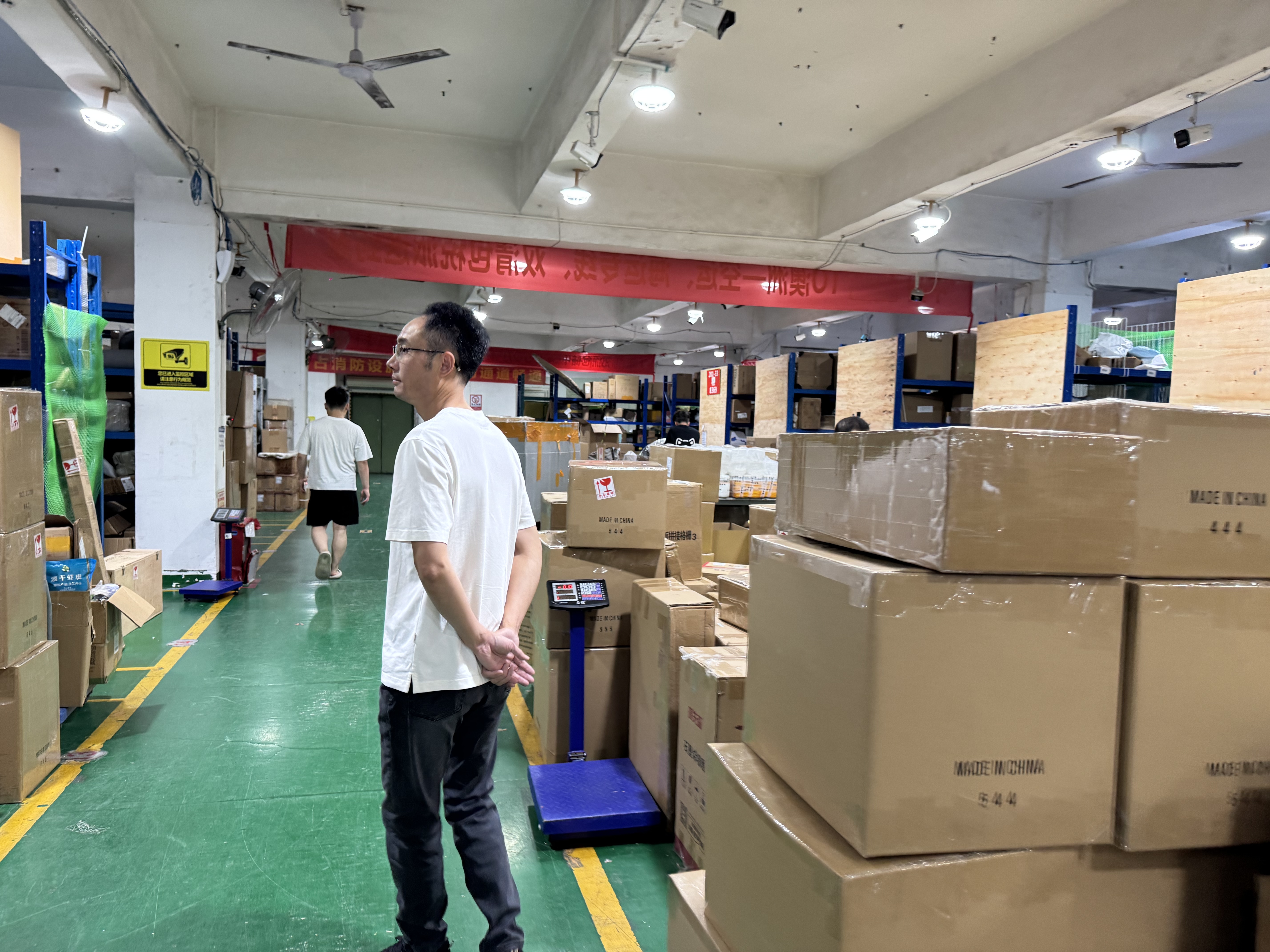
1. Door-to-Door Delivery
Many shipping companies offer door-to-door delivery services. Once your shipment has cleared customs, it will be transported to your specified address in Canada. This is a convenient option, especially if you don't have the means to pick up your belongings from the port.
2. Self-Pickup
If you prefer, you can also choose to pick up your shipment from the port. However, you'll need to arrange for transportation and make sure you have the necessary equipment to handle your belongings.
VII. FAQ
1. What are the new customs regulations in 2026 for shipping personal belongings to Canada?
In 2026, the CBSA has increased the scrutiny on the valuation of personal belongings. They want more accurate documentation to ensure that the declared value reflects the true worth of the items. Also, there are stricter regulations on shipping certain types of food and plants to prevent the introduction of pests and diseases.
2. How can I choose a reliable shipping agent?
Look for an agent with a good reputation and plenty of experience in shipping to Canada. Check their reviews and ask for references. [盛达国际物流] is a great choice because they have a professional team that can handle all aspects of the shipping process, from documentation to customs clearance.
3. What should I do if my shipment is delayed?
If your shipment is delayed, first contact your shipping agent or freight forwarder. They can provide you with more information about the cause of the delay and what steps are being taken to resolve it. In some cases, it might be due to bad weather or port congestion, which are beyond anyone's control.
4. Can I ship used furniture to Canada?
Yes, you can ship used furniture to Canada. However, it must be in good condition and free of pests and diseases. You might need to provide a certificate of inspection or treatment if required by the CBSA.
5. How much does it cost to ship personal belongings by sea to Canada?
The cost depends on several factors, such as the volume and weight of your belongings, the shipping method (FCL or LCL), and the distance. On average, for a small LCL shipment, you can expect to pay around $500 - $1000, while a full container can cost anywhere from $2000 - $5000.
Shipping personal belongings by sea to Canada in 2026 might seem complex, but if you follow these steps and work with a reliable shipping partner, you'll be able to get your items to their destination safely and efficiently. So, start planning your shipment today!
