

I. Introduction
Hey there, Australian small business owners, importers, and e - commerce sellers! Shipping large items from China to Australia has become a crucial part of many businesses' operations. But in 2026, with new policies from the Australian Border Force (ABF) and other industry changes, it's trickier than ever. I've been in the cross - border logistics field for years, and I've seen all sorts of issues. Let me share some insights to help you avoid common pitfalls.
I once had a client, a 3C electronics seller in Sydney, who wanted to ship a large batch of electronic components. They chose a cheap but inexperienced freight forwarder. The result? Delays, damaged goods, and a huge headache. So, let's dig into what you really need to know.
II. New Policies and Regulations in 2026
The 2026 ABF new policies have tightened up the rules on imports, especially for large items. The Department of Agriculture, Fisheries and Forestry (DAFF) has also raised the bar for biosecurity. For example, wooden items now need more detailed documentation about their origin and treatment. If you're shipping furniture made of wood, you'll need to provide proof of proper fumigation or heat treatment.
These policies aim to protect Australia's unique ecosystem and economy. But for importers, it means more paperwork and compliance work. One common mistake I've seen is that some businesses don't bother to check the new requirements. They end up having their goods held up at the port.
III. Shipping Channels for Large Items (Deep - Dive, 40% of the Article)
Full - container Shipping Advantages: Ideal for large - scale importers. You get exclusive use of the container, which means less risk of damage from other cargo. It's also more time - efficient as the container doesn't need to be shared and sorted with other shipments. For instance, a trade factory shipping a large quantity of machinery can use a 40HQ container, ensuring the equipment arrives in good condition.Limitations: Higher cost, especially if your shipment volume doesn't fully fill the container. You also need to have a relatively large - scale storage area at the destination to handle the whole container.
Case: A large apparel importer in Melbourne used full - container shipping to bring in a new collection. They filled a 40GP container with clothing racks, garments, and related display items. The container was loaded at the factory in China and shipped directly to Port of Melbourne. However, due to the large volume, they had to rent a bigger warehouse near the port to store the goods temporarily.
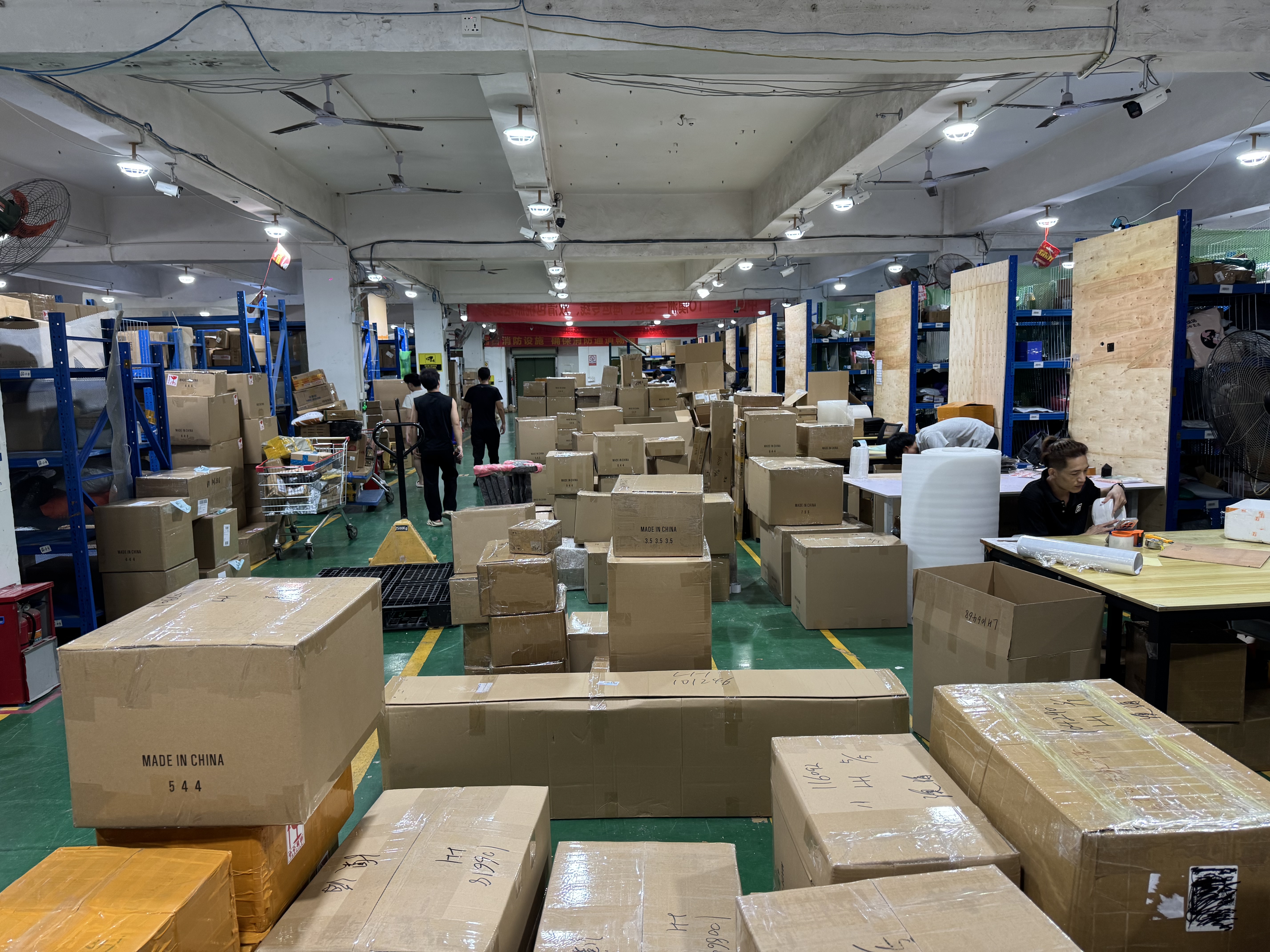
Limitations: Longer transit times as the container needs to be filled with other shipments. There's also a higher risk of damage or misplacement during the consolidation process.
Case: A small home goods seller in Brisbane shipped a mix of decorative items, small furniture pieces, and kitchenware via LCL. The goods were consolidated at a warehouse in China and then shipped to Port Botany. But during the consolidation, some of the fragile items got damaged due to improper handling.
Air Freight for Large Items Advantages: Extremely fast. If you have urgent large items, such as high - value 3C electronics, air freight can get them to Australia in about 7 - 12 days. It also has a relatively low risk of damage during transit.
Limitations: Very expensive. The cost per kilogram is much higher compared to sea freight. There are also weight and size restrictions.
Case: A 3C electronics seller in Sydney needed to quickly restock a popular new product. They chose air freight to ship a batch of large - screen tablets. The goods arrived in just 10 days, but the shipping cost was almost 3 times higher than sea freight.
IV. Cost Breakdown
The cost of shipping large items to Australia includes several components. Freight charges are the most obvious one, which vary depending on the shipping channel, weight, and volume. Customs duties and taxes are based on the HS codes of your goods and their value. Biosecurity inspection fees are also applicable for some items, like those made of wood or with organic materials.
| Let's look at a simple cost comparison: | Shipping Channel | Freight Cost (approximate for a medium - sized shipment) | Customs Duties | Biosecurity Fees | Total |
|---|---|---|---|---|---|
| Full - container Sea Freight | $3,000 - $5,000 | Depends on goods value | $200 - $500 | Varies | |
| LCL Sea Freight | $1,000 - $2,000 | Depends on goods value | $100 - $300 | Varies | |
| Air Freight | $5,000 - $8,000 | Depends on goods value | Minimal | Varies |
V. Documentation and Clearance Process
Proper documentation is key to a smooth clearance process. You'll need a commercial invoice that clearly states the value, description, and quantity of your goods. A packing list is also necessary to show how the goods are packed. For certain items, like those with wooden parts, a phytosanitary certificate is required.
The clearance process usually starts when the goods arrive at the Australian port. The ABF and DAFF will inspect the documentation and may conduct physical inspections. If everything is in order, your goods will be released. But if there are issues, such as incorrect HS codes or missing certificates, it can lead to delays and additional fees.
VI. FAQ
Q: I'm a small business owner. How can I reduce shipping costs for large items? A: Consider LCL shipping if your shipment volume isn't very large. You can also try to negotiate better rates with freight forwarders. Another tip is to optimize your packaging to reduce the volume or weight of your goods. For example, I once helped a home goods seller in Brisbane save costs by using more compact packaging for their small furniture.Q: What if my goods are held up at the port due to non - compliance with new policies? A: First, find out exactly what the issue is. You may need to provide additional documentation or correct any mistakes. It's a good idea to work with an experienced freight forwarder, like [Shengda International Logistics], who can handle such issues for you. They're familiar with the new rules and can help you get your goods released as quickly as possible.
Q: Can I ship sensitive large items, like electronics with batteries? A: Yes, but you need to use a specialized shipping service. [Shengda International Logistics] has a sensitive goods compliance专线 that can handle such items. They have a dedicated compliance申报 channel to ensure your goods meet all the necessary regulations.
Q: How long does it usually take for large items to clear customs? A: It typically takes 1 - 3 days if all the documentation is in order. But if there are inspections or issues, it can take much longer. For example, if your goods are selected for a detailed biosecurity inspection, it might add another 2 - 5 days.
Q: Are there any size or weight restrictions for shipping large items to Australia? A: Yes, both airlines and shipping lines have their own restrictions. For air freight, there are usually strict weight and size limits. For sea freight, while the limits are more flexible, extremely large or heavy items may require special arrangements, such as oversized cargo handling. You should check with your freight forwarder before shipping.
In conclusion, shipping large items to Australia in 2026 requires careful planning and compliance with new policies. By choosing the right shipping channel, taking care of documentation, and being aware of potential costs and delays, you can ensure a smooth shipping process for your business.
