

I. Introduction
As a seasoned player in the cross - border logistics field, especially in the China - Australia route, I've witnessed numerous challenges that small business owners, importers, and e - commerce sellers face when it comes to furniture sea freight. With the approaching 2026, new policies and regulations from the Australian Border Force (ABF) and the Department of Agriculture, Fisheries and Forestry (DAFF) are set to change the game. In this article, I'll share some common pitfalls and how to steer clear of them.
II. Ignoring New Australian Biosecurity Policies by 2026
The Problem The new 2026 biosecurity regulations from DAFF are going to be stricter. Many wooden furniture items need to be specially treated to prevent the introduction of pests and diseases. For example, I had a client back in 2024 who was importing wooden chairs from China to Sydney. The chairs were made of untreated wood and were infested with a type of beetle. As a result, the entire shipment was held at Port Botany for over 3 weeks, incurring huge demurrage fees. The client also had to pay for the treatment of the furniture to meet the biosecurity standards.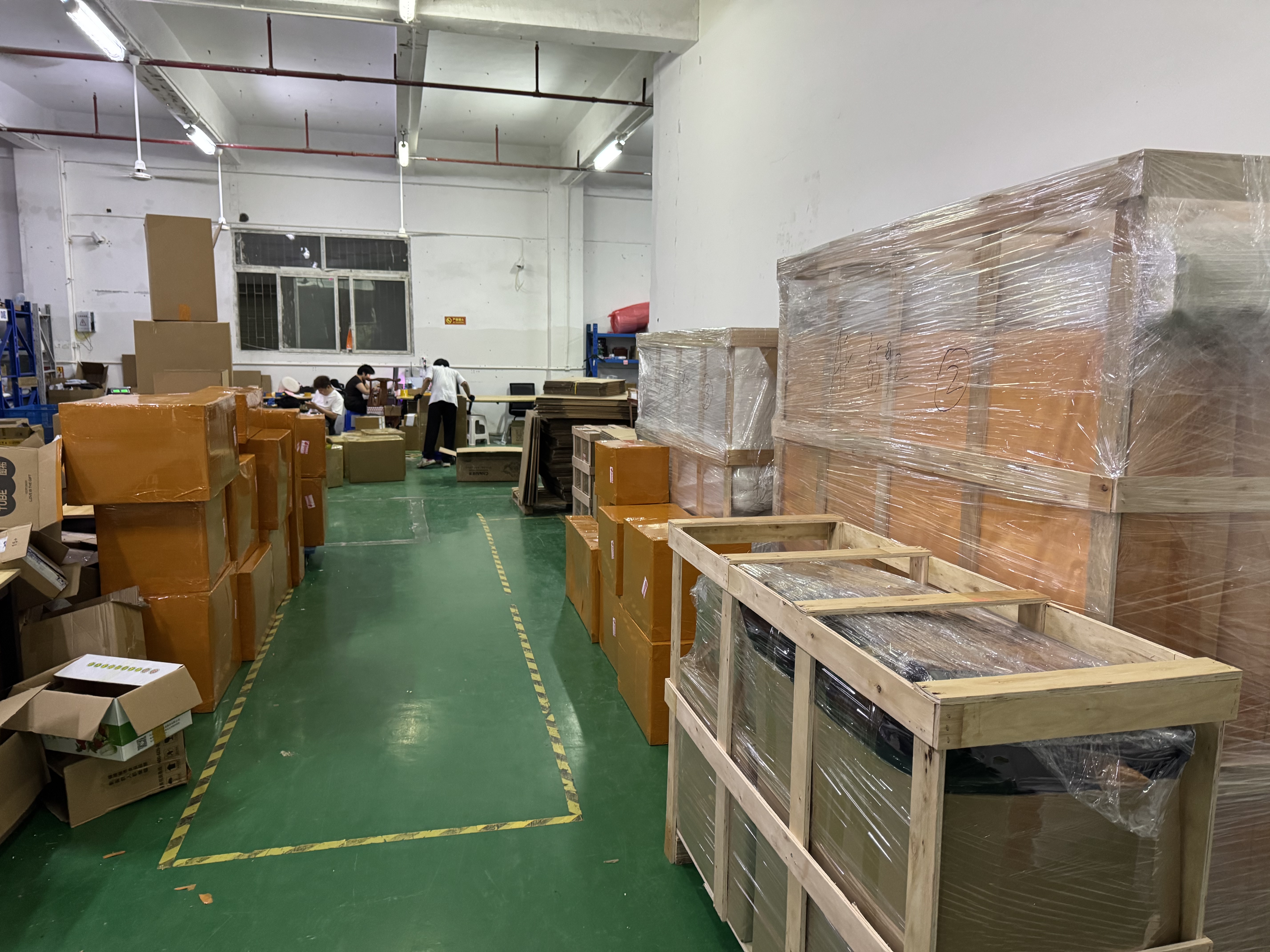
III. Underestimating Documentation Requirements
The Problem Incorrect or incomplete documentation is a major pitfall. I once dealt with a 3C electronics seller who thought that shipping furniture was as simple as providing a basic bill of lading. He didn't include a detailed packing list, and the value declared on the commercial invoice was inaccurate. When the shipment arrived at the Port of Melbourne, it was subjected to a rigorous customs inspection. The delay due to the documentation issues cost the seller over $3,000 in additional charges, including storage fees and fines.The Solution Prepare all necessary documents meticulously. This includes a detailed commercial invoice with accurate descriptions and values of the furniture, a packing list that specifies the quantity and dimensions of each item, a bill of lading, and any relevant certificates. Use the correct HS codes for your furniture items to avoid customs valuation disputes.
IV. Miscalculating Shipping Costs
The Problem Some sellers only consider the basic freight cost and overlook other expenses. For instance, a home goods seller in Brisbane was looking for the cheapest shipping option. He chose a low - cost carrier without considering additional fees such as terminal handling charges, bunker adjustment factors, and currency adjustment factors. When the shipment arrived, he was shocked to find that the total cost was 30% higher than he had initially estimated.The Solution Get a comprehensive quote from your logistics provider. A good provider like Shengda International Logistics will break down all the costs, including freight, insurance, customs clearance fees, and any potential surcharges. Consider different shipping options and compare the total costs, not just the base freight.
V. Poor Packaging and Handling
The Problem Inadequate packaging can lead to damaged furniture during transit. I remember an apparel importer who also dabbled in importing some decorative furniture. The furniture was packed in thin cardboard boxes without proper padding. During the long - haul sea journey from China to Australia, many pieces were scratched, dented, or even broken. The importer had to bear the cost of returns and replacements, which severely impacted their profit margins.The Solution Use high - quality packaging materials. For furniture, wooden crates, bubble wrap, and foam padding are essential. If possible, request your supplier in China to provide professional packaging. Some logistics providers, like Shengda International Logistics, offer additional packaging services, including wooden frame reinforcement for large and fragile furniture items.
VI. FAQ
Q: How can I ensure my furniture meets the 2026 Australian biosecurity standards? A: First, consult your logistics provider. They can guide you on the proper treatment, such as fumigation or heat treatment for wooden furniture. Always obtain the phytosanitary certificate from the supplier in China. Also, stay updated on the latest DAFF regulations.Q: What if I receive unexpected charges after the shipment arrives in Australia? A: This is why it's crucial to get a detailed quote upfront. If you face unexpected charges, contact your logistics provider immediately. A good provider like Shengda International Logistics will try to clarify the charges and help you understand if they are legitimate.
Q: Can I track my furniture shipment? A: Yes, many logistics providers offer shipment tracking services. Shengda International Logistics has a self - developed intelligent system that allows you to monitor the status of your shipment from warehousing to delivery in real - time.
Q: What should I do if my furniture is damaged during transit? A: Make sure you have insurance for your shipment. Once you discover the damage, document it with photos and reports. Then, contact your logistics provider and the insurance company as soon as possible. A reliable provider will assist you with the claim process.
Q: How long does it usually take for furniture sea freight from China to Australia? A: The transit time can vary depending on factors such as the departure and arrival ports, shipping routes, and shipping methods. Generally, it takes roughly 18 - 25 days for a direct shipment. However, if there are transshipments or delays at customs, it could take longer.
To sum up, navigating the China - Australia furniture sea freight market in 2026 requires careful planning and attention to detail. By avoiding these common pitfalls and leveraging the expertise of a professional logistics provider, you can ensure a smooth and cost - effective shipping process. Always stay informed about the latest policies and regulations to stay ahead in the market.
