

What Will the Scenarios of Canada's Bulk Cargo Sea Freight Be in 2026?
In the dynamic world of international logistics, the future of Canada's bulk cargo sea freight in 2026 is a topic that piques the interest of many. Let's take a closer look at what might unfold.
I. Policy Influence on China - Canada and Canada - China Routes
The policies between China and Canada in 2026 will have a significant impact on bulk cargo sea freight. In recent years, both countries have been working on promoting trade liberalization. For instance, there may be more preferential tariff policies for certain bulk commodities. According to some industry insiders' predictions, if the current trend continues, by 2026, the import and export tariffs for bulk grains and minerals could be reduced by around 10 - 15%. This would encourage more businesses to engage in bulk cargo trade between the two countries.
Also, customs clearance policies are expected to become more streamlined. In the past, long - drawn - out customs procedures were a headache for many shippers. But in 2026, with the application of new technologies and improved cooperation between customs departments, the clearance time for bulk cargo could be cut down by half. For example, instead of waiting for 3 - 5 days for clearance, it might only take 1 - 2 days.
II. Market Demand and Supply
Demand from China China is a major consumer of bulk commodities. In 2026, the demand for Canadian bulk cargo such as grains (wheat, barley) and minerals (copper, nickel) is likely to remain strong. The growing population and continuous industrial development in China will drive the need for these resources. For example, the Chinese food processing industry is expanding, and it requires a large amount of high - quality Canadian grains. It is estimated that the demand for Canadian wheat in China could increase by 20% compared to 2023.Supply in Canada Canada has abundant natural resources, and it is well - positioned to meet the international demand. In the mining industry, new mines are being explored and developed. By 2026, the production capacity of some key minerals could increase by 15 - 20%. In the agricultural sector, with the improvement of farming techniques, the yield of grains is expected to rise steadily. This means more bulk cargo will be available for sea freight.
III. Technological Advancements
Smart Shipping In 2026, smart shipping technology will be more widely adopted in Canada's bulk cargo sea freight. Ships will be equipped with advanced sensors that can monitor the condition of the cargo in real - time. For example, sensors can detect the temperature, humidity, and pressure inside the cargo hold. This helps to prevent cargo damage during transportation. Also, autonomous ships may start to be used in some routes, reducing labor costs and improving shipping efficiency.Digitalization of Logistics Processes The entire logistics process, from cargo booking to delivery, will be more digitalized. Shippers can use online platforms provided by logistics companies like [盛达国际物流] to book space, track their cargo, and handle documentation. This digitalization not only saves time but also reduces human errors.
IV. Competition in the Market
Competition among Shipping Lines There will be intense competition among shipping lines operating Canada's bulk cargo sea freight routes. Big players like Maersk and MSC will compete with local and regional shipping companies. They will try to differentiate themselves through better service, lower prices, and more reliable schedules. For example, some shipping lines may offer flexible delivery options or discounts for large - volume shipments.Competition from Alternative Modes of Transport Although sea freight is the dominant mode for bulk cargo, it will face competition from alternative modes such as rail and pipelines. For certain short - distance and land - connected routes, rail transportation may be more cost - effective and faster. Pipelines are suitable for transporting liquid bulk commodities like oil.
V. Challenges
Environmental Regulations In 2026, stricter environmental regulations will be in place for the shipping industry. Ships will need to meet higher standards for emissions reduction. This will require shipping companies to invest in new technologies and equipment, which will increase their operating costs. For example, they may need to install scrubbers or switch to cleaner fuels.Geopolitical Risks Geopolitical tensions between countries can disrupt the bulk cargo sea freight market. Disputes over trade policies, sanctions, and territorial issues can lead to delays or even cancellations of shipments. This creates uncertainty for shipping companies and their customers.
FAQ
Q: What are the advantages of using [盛达国际物流] for Canada's bulk cargo sea freight in 2026? A: As someone with years of experience in the logistics industry, [盛达国际物流] has some major perks. They have in - depth knowledge of the Canada - China and other routes. They can make full use of the 2026 policies to ensure smooth customs clearance and cost - effective shipping. Their professional team, which has over 10 years of experience in international logistics, can handle any unexpected situations during the shipping process.Q: How can I ensure the safety of my bulk cargo during sea freight in 2026? A: Choosing a reliable logistics company like [盛达国际物流] is crucial. They use new - generation smart shipping technology with sensors in the cargo holds. This allows real - time monitoring of the cargo's condition. Also, they have proper packaging and stowage procedures to prevent damage.
Q: What if there are delays due to environmental regulations in 2026? A: Well, it's a reality that stricter environmental regulations may cause some delays. But [盛达国际物流] is always one step ahead. They keep a close eye on policy changes and have contingency plans. This way, they can minimize the impact of these delays on your shipment schedule.
Q: Can [盛达国际物流] handle different types of bulk cargo in 2026? A: Absolutely. [盛达国际物流] has experience in handling various bulk commodities, including grains, minerals, and liquid bulk. They have customized shipping solutions for different cargo types, ensuring that each shipment is treated properly.
Q: How can I track my bulk cargo in 2026? A: [盛达国际物流] offers a digitalized platform. You can log in to the platform at any time to check the real - time status of your cargo, from the moment it leaves the warehouse to its final destination. This gives you full visibility and peace of mind.
In conclusion, the scenarios of Canada's bulk cargo sea freight in 2026 are a mix of opportunities and challenges. The policies, market demand, technology, competition, and challenges all play important roles in shaping the future of this sector. And companies like [盛达国际物流] are well - equipped to help businesses navigate through these changes and make the most of the opportunities.
What Will the Scenarios of Canada's Bulk Cargo Sea Freight Be in 2026?
In the ever - evolving landscape of international logistics, the future of Canada's bulk cargo sea freight in 2026 is a captivating subject. Let's delve into the various aspects that will likely shape this industry in the coming years.
I. Policy Impact on China - Canada and Canada - China Routes
The relationship between China and Canada in terms of trade policies is set to have a profound influence on bulk cargo sea freight. By 2026, there's a high probability of enhanced trade agreements. For example, the two countries may expand the list of duty - free bulk commodities. Currently, some basic minerals and agricultural products enjoy certain tariff concessions. In 2026, we might see an extension of these benefits to more specialized types of bulk goods.
Customs clearance procedures are also expected to undergo significant improvements. In the past, paperwork and inspections could be lengthy and cumbersome. However, with the integration of digital technologies and closer cooperation between Chinese and Canadian customs authorities, the process is likely to become much more efficient. It's estimated that the average clearance time for bulk cargo could be reduced from the current 3 - 4 days to just 1 - 2 days. This will not only save time but also reduce costs for shippers.
II. Market Dynamics: Demand and Supply
Demand in China China's insatiable appetite for bulk commodities is well - known. In 2026, the demand for Canadian bulk cargo is expected to soar. The construction industry in China, for instance, will continue to require large amounts of minerals like iron ore and copper. It's projected that the demand for Canadian iron ore in China could increase by 15% compared to 2023 levels. Additionally, the food and beverage industry will drive up the demand for Canadian grains such as corn and soybeans.
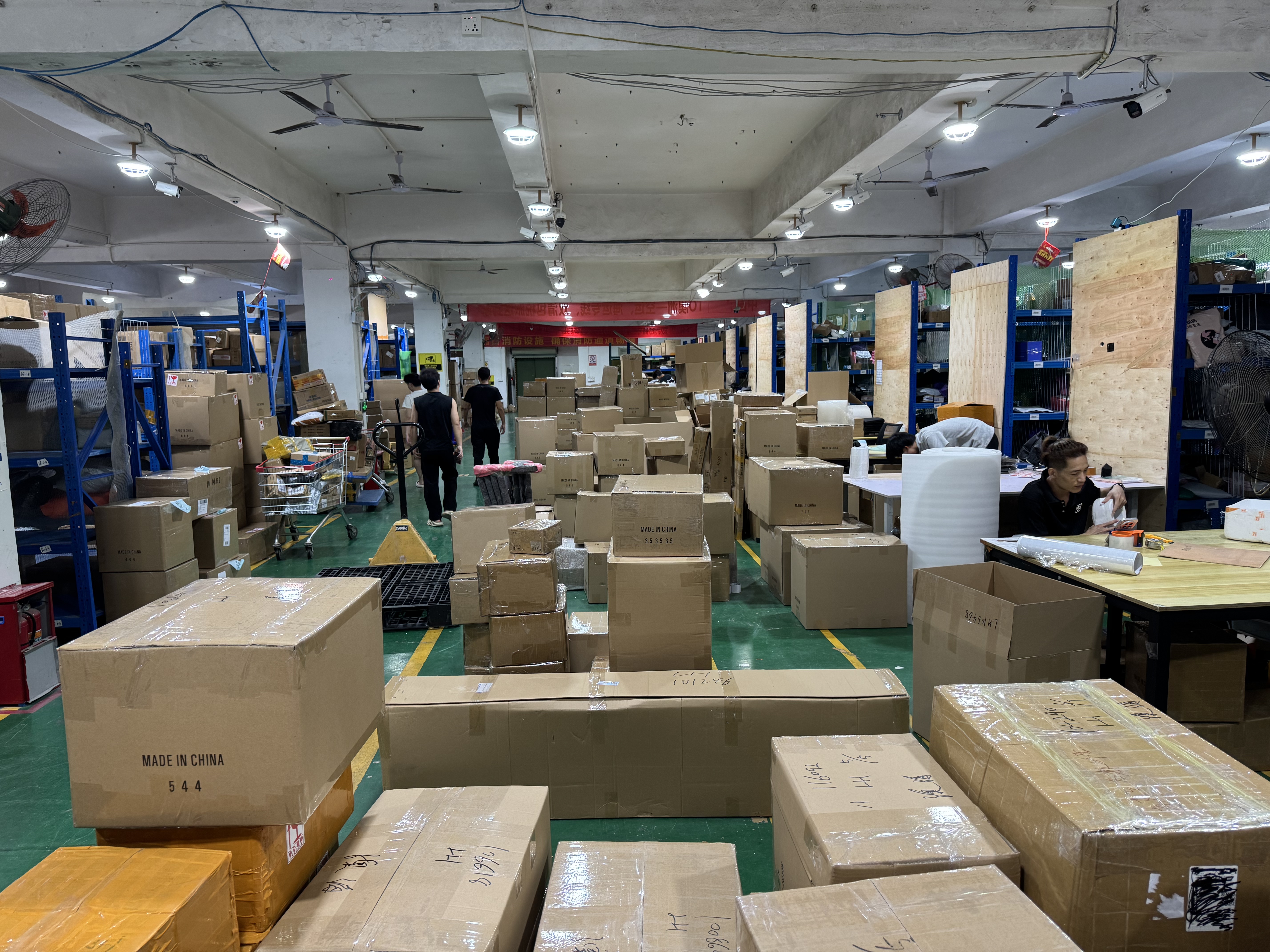
Supply in Canada Canada is a resource - rich country, and its supply capabilities are likely to grow in 2026. The mining sector is investing in new exploration and extraction technologies, which will boost the production of minerals. For example, the production of nickel, an important metal for the battery industry, could increase by 20% in the next few years. In the agricultural realm, improved farming methods and favorable weather conditions could lead to a higher yield of grains, making more bulk cargo available for export.
III. Technological Innovations
Autonomous Ships and Smart Navigation One of the most significant technological changes in 2026 will be the increased use of autonomous ships in Canada's bulk cargo sea freight. These ships can operate with greater precision and efficiency, reducing the risk of human error. They are equipped with advanced sensors and navigation systems that can adapt to changing weather and sea conditions. For example, they can automatically adjust their speed and route to avoid storms.
Blockchain in Logistics Blockchain technology will revolutionize the way bulk cargo is tracked and documented. With blockchain, all the information related to a shipment, from its origin to its destination, is recorded in a secure and immutable ledger. This not only enhances transparency but also reduces fraud and administrative errors. Shippers can easily access real - time information about their cargo's location, status, and payment details.
IV. Competitive Landscape
Shipping Lines' Battle The competition among shipping lines in the Canada - bulk cargo sea freight market will be fierce in 2026. Established international shipping companies like CMA CGM will face competition from local and regional players. To stand out, shipping lines will offer a variety of incentives such as lower freight rates, better service guarantees, and more flexible delivery schedules. For example, some lines may offer to split the cost of insurance for large - volume shipments.
Competition from Other Modes of Transport Sea freight will face stiff competition from other modes of transport. Railways, for instance, are becoming more efficient and cost - effective for transporting bulk cargo over land - connected routes. Pipelines are also a viable option for liquid bulk commodities. Shipping companies will need to constantly innovate to maintain their share of the market.
V. Obstacles and Risks
Environmental Compliance In 2026, environmental regulations for the shipping industry will be more stringent. Ships will be required to reduce their emissions of pollutants such as sulfur oxides and nitrogen oxides. This will force shipping companies to invest in cleaner technologies, such as installing exhaust gas cleaning systems or switching to alternative fuels. These investments will increase operating costs and may lead to higher freight rates.
Geopolitical Uncertainties Geopolitical tensions between countries can have a significant impact on Canada's bulk cargo sea freight. Disputes over trade policies, territorial claims, or international sanctions can disrupt shipping routes and cause delays. Shipping companies will need to closely monitor geopolitical developments and have contingency plans in place.
FAQ
Q: Why should I choose [盛达国际物流] for my Canada - bulk cargo sea freight in 2026? A: Having been in the logistics business for a long time, I can tell you that [盛达国际物流] has a lot going for it. They understand the 2026 policies between China and Canada like the back of their hand. Their in - house team of experts can handle all the customs clearance and documentation with ease, ensuring your cargo gets to its destination on time and without any hassles.Q: How can [盛达国际物流] help me deal with environmental regulations in 2026? A: [盛达国际物流] keeps up with the latest environmental regulations. They can advise you on the best shipping options that comply with these rules. For example, they can recommend ships with low - emission technologies or suggest alternative routes that are more environmentally friendly.
Q: What if my bulk cargo is damaged during sea freight in 2026? A: [盛达国际物流] has a comprehensive insurance and compensation policy. In case of damage, they will work with you to assess the situation and provide fair compensation. Their professional team also takes all the necessary precautions during packaging and stowage to minimize the risk of damage.
Q: Can [盛达国际物流] handle large - volume bulk cargo shipments in 2026? A: Absolutely. [盛达国际物流] has the capacity and experience to handle large - volume shipments. They have access to big vessels and can coordinate with shipping lines to ensure space is available. They also offer competitive rates for large - scale shipments.
Q: How do I book a shipment with [盛达国际物流] in 2026? A: It's very easy. You can use their online booking platform. Just enter the details of your bulk cargo, the origin, destination, and the expected shipping date. Their system will then provide you with a quote and available options. You can confirm the booking right away, and they will take care of the rest.
In the end, the future of Canada's bulk cargo sea freight in 2026 is full of possibilities and challenges. With the right strategies and the support of reliable logistics partners like [盛达国际物流], businesses can navigate this complex market and achieve their goals.
