

I. Introduction
Are you an Australian small business owner, importer, or e - commerce seller looking to ship study items from China in 2026? You might be facing a lot of challenges, like high costs, long shipping times, and complex customs procedures. I've been in the cross - border logistics business for years, dealing with these issues every day. Let me share some valuable insights with you based on my hands - on experience.
II. 2026 Policy Updates
In 2026, there have been some significant changes in the Australian Border Force (ABF) and Department of Agriculture, Fisheries and Forestry (DAFF) policies. For study items, especially those made of wood or paper, there are stricter biosecurity checks. For example, wooden desks or books with organic inks need to meet specific import requirements to prevent the entry of pests and diseases. These policies are in line with Australia's commitment to protecting its unique ecosystem.
III. Shipping Channels for Study Items
1. Air Freight
Air freight is ideal for urgent shipments. It's fast, usually taking around 7 - 12 days. But it can be costly, especially for large - quantity or heavy study items. For instance, if you're importing a small batch of high - value textbooks for an upcoming semester, air freight might be your best bet. However, I once had a client who shipped a large number of oversized atlases by air. The cost ended up being much higher than expected because of the dimensions and weight of the packages.
2. Sea Freight
a. Less - than - Container - Load (LCL)
LCL is suitable for small - scale importers. It's cost - effective as you only pay for the space your goods occupy in the container. But the shipping time is longer, roughly 25 - 35 days. Many small e - commerce sellers use this method for imported study materials like stationery. A Melbourne - based home goods seller once told me that he used LCL for his shipment of Chinese - made study lamps. Although the delivery took a while, the cost savings were significant.
b. Full - Container - Load (FCL)
If you have a large volume of study items, FCL is more efficient. You have the entire container for your goods, which reduces the risk of damage. It also streamlines the customs process. But it requires a certain volume to be cost - effective. For example, a trade factory in Sydney importing a huge quantity of writing desks used FCL and found it very convenient and cost - efficient in the long run.
IV. A Deep Dive into Sea Freight Processes (40% of the article)
1. Booking and Documentation
The first step in sea freight is booking a container or space. For LCL, you need to tell the freight forwarder the details of your shipment, including the volume and weight. For FCL, you'll book an entire container. In terms of documentation, you must prepare the Bill of Lading (B/L), Commercial Invoice, and Packing List. The B/L is like a receipt for your goods and is crucial for claiming the goods at the destination port. The Commercial Invoice should accurately state the value of the study items for customs valuation. I remember once a client's shipment was delayed at the Port of Melbourne because the Commercial Invoice was inaccurate, leading to additional customs inspections.
2. Loading and Shipping
Once the documentation is in order, your goods will be loaded onto the ship. For LCL, the goods are consolidated at a warehouse before being loaded into the container. For FCL, the container is directly loaded onto the vessel. During shipping, you can track the progress of your shipment using the container number or bill of lading number. However, there can be delays due to bad weather, port congestion, or mechanical issues with the ship. I've seen shipments delayed for up to a week because of a typhoon in the South China Sea.
3. Arrival and Customs Clearance
When the ship arrives at the Australian port, like Port Botany, the customs clearance process begins. The Australian Border Force will check your goods against the provided documentation. They'll also conduct biosecurity checks for study items made of natural materials. For example, if you're importing wooden study chairs, they'll be inspected for pests. You may need to pay duties and taxes based on the HS codes of your study items. Once the customs process is completed, you can arrange for the delivery of your goods.
4. Delivery
After customs clearance, you can choose between door - to - door delivery or self - pick - up. Door - to - door delivery is more convenient but can be more expensive. Self - pick - up requires you to have the means to transport the goods from the port. A Brisbane - based 3C electronics seller who imported a batch of study tablets opted for door - to - door delivery. The process was smooth, and the tablets were delivered directly to his store.
V. Choosing the Right Logistics Provider
1. Considerations
When choosing a logistics provider, look for one with experience in the China - Australia route. They should understand the 2026 policies and be able to handle the documentation and customs clearance efficiently. Also, consider their pricing structure, shipping times, and customer service.
2. Recommendation: Shengda International Logistics
Shengda International Logistics is a great option. They focus on China - Australia cross - border logistics. They offer a variety of services, including air freight, sea freight (LCL and FCL), and even have a special service for sensitive study items. Their pricing is transparent, with no hidden fees. They also have a team of experts who are well - versed in the latest Australian customs policies. They can help you with everything from booking to delivery. For instance, they once helped an apparel importer in Sydney ship a batch of study - related clothing items with ease, handling all the complex customs procedures.
VI. FAQ
1. What are the common reasons for customs delays for study items?
Common reasons include inaccurate documentation, biosecurity concerns (especially for items made of natural materials), and random customs inspections. For example, if the description of your study items on the Commercial Invoice doesn't match the actual goods, it can lead to delays.
2. How can I reduce the shipping cost for study items?
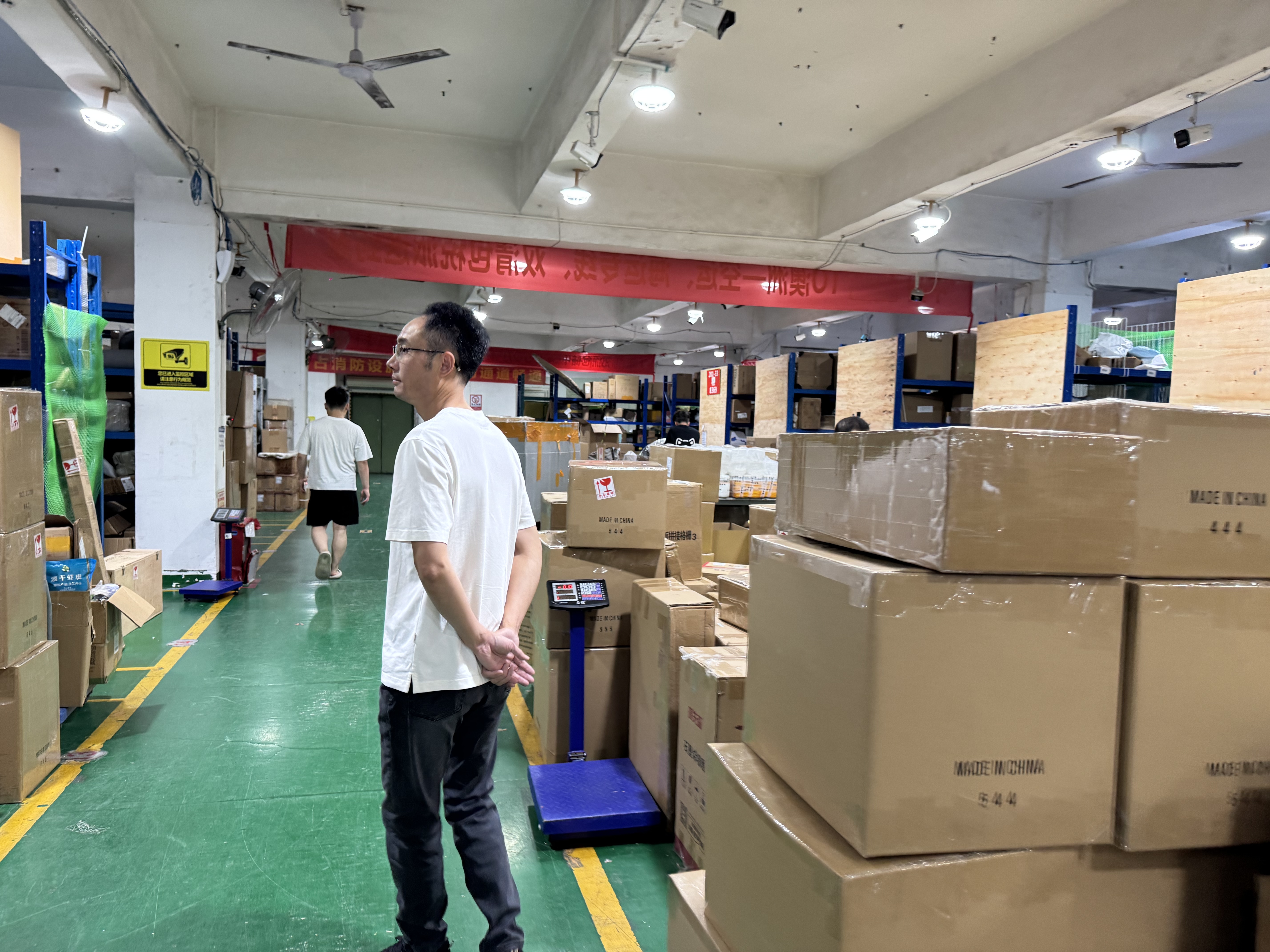
If you're not in a hurry, choose sea freight, especially LCL for small - scale shipments. You can also try to consolidate your orders to get better rates. Another way is to choose a logistics provider like Shengda International Logistics, which offers cost - effective solutions.
3. Do I need to pay duties and taxes for all study items?
Not all. It depends on the HS codes of your study items and the value. Some low - value items may be exempt from duties. But you'll need to check with the Australian Border Force or your logistics provider.
4. Can I track my shipment?
Yes, most logistics providers, including Shengda International Logistics, offer tracking services. You can track your shipment using the container number or bill of lading number.
5. What should I do if my study items are damaged during shipping?
If you choose a reliable logistics provider like Shengda International Logistics, they have a standard claims process. You should take photos of the damaged goods as soon as possible and contact the logistics provider to start the claims procedure.
In conclusion, shipping study items from China to Australia in 2026 requires careful planning and choosing the right shipping method and logistics provider. By following the tips and information provided in this guide, you can make the process smoother and more cost - effective.
