

I. Introduction
Hey there, Australian small business owners, importers, and e - commerce sellers! In 2026, the shipping industry between China and Australia has seen some policy shifts, especially regarding customs and biosecurity. I've been in the cross - border logistics front - line for quite a while, dealing with all sorts of shipping problems. I remember back in 2024, a client wanted to ship a large batch of study items from China to Sydney. But due to some misunderstandings about the customs regulations, the goods were stuck at the port for weeks. This kind of situation is what I want to help you avoid. So, let's dig into the best ways to ship study items to Australia.
II. Why shipping study items is special
Study items often include books, stationery, and sometimes electronic devices. These items have different requirements in terms of shipping. For instance, books might be heavy and bulky, while electronic devices need special handling to avoid damage. Moreover, the Australian Border Force (ABF) and the Department of Agriculture, Fisheries and Forestry (DAFF) have specific rules for these items. Some books might contain prohibited content, and electronic devices need to meet certain safety standards.
III. Shipping Channels Analysis (Core Section, about 40% of the text)
1. Air Freight
Advantages: Speed: Air freight is by far the fastest option. Usually, it takes only about 7 - 12 days for your study items to reach major Australian cities like Sydney or Melbourne. This is great for urgent orders. For example, if you're restocking a popular textbook for your e - commerce store, air freight can get it to your customers quickly.Low - risk of damage: Since the transit time is short, there are fewer chances of the goods getting damaged during transportation.
Limitations: Cost: It's significantly more expensive than other options. A small shipment of study items might cost at least 2 - 3 times more than sea freight. For small businesses on a tight budget, this can be a major hurdle.
Weight and volume restrictions: Airlines have strict limits on the weight and volume of each shipment. If you're shipping a large number of books, you might need to split the shipment, which can increase the overall cost.
2. Sea Freight (拼箱和整柜)
Consolidated Shipping (LCL - Less than Container Load): Advantages: Cost - effective: Ideal for small - scale importers. You only pay for the space your study items occupy in the container. This can save a lot of money, especially if you're just starting your business.Flexibility: You can combine different types of study items in one shipment. For example, you can ship books, stationery, and some small electronic devices together.
Limitations: Longer transit time: It can take roughly 20 - 35 days for your goods to arrive. This means you need to plan your orders well in advance.
Higher risk of damage: With multiple shipments in one container, there's a slightly higher chance of your study items getting damaged during loading and unloading.
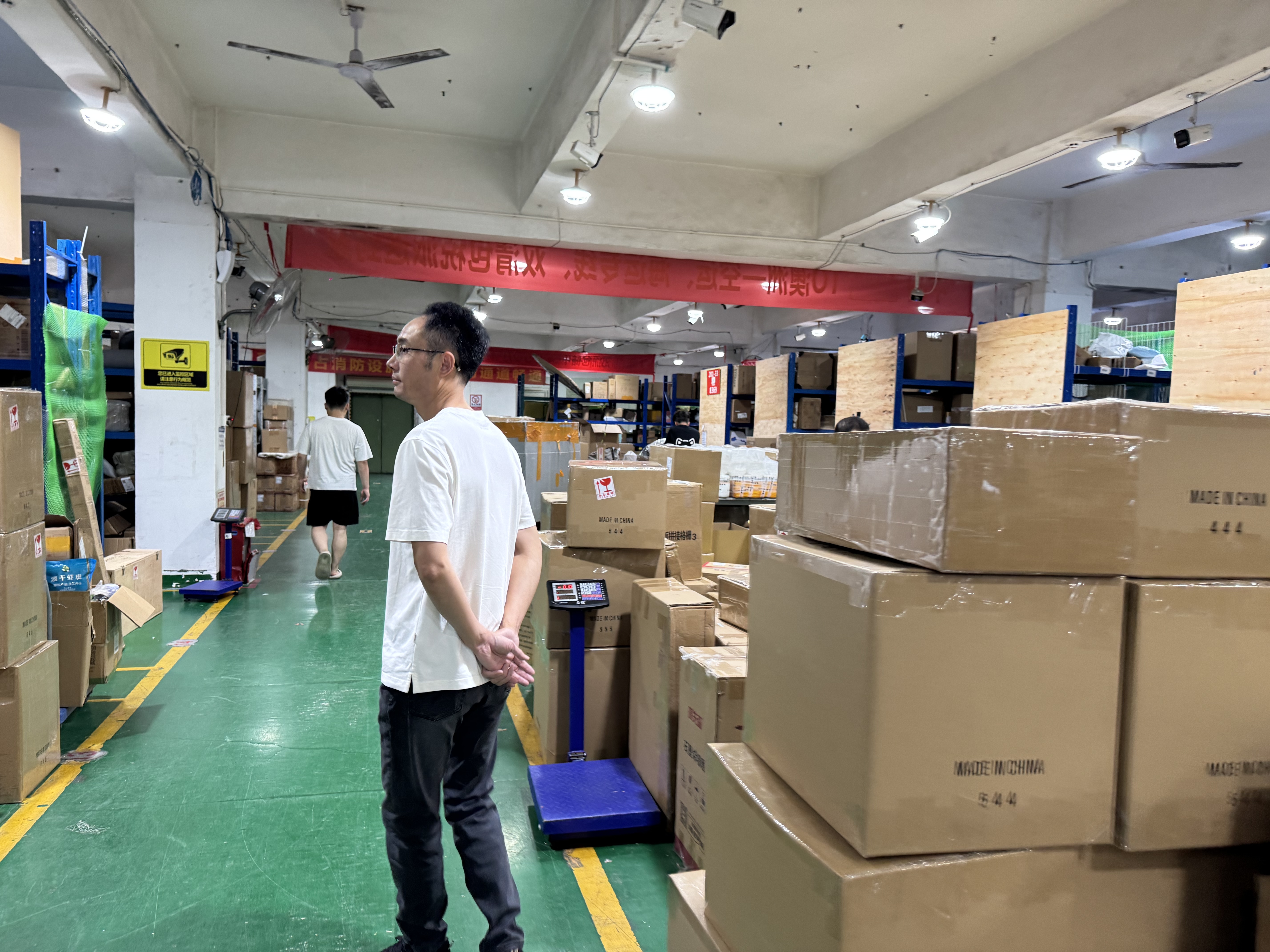
Faster handling at the port: Since the container is yours alone, it can be processed more quickly at the port compared to LCL shipments.
Limitations: Cost: You need to pay for the whole container, even if it's not fully loaded. This can be wasteful if your shipment is small.
Minimum order quantity: You usually need to have a relatively large shipment to justify using FCL.
3. Express Shipping
Advantages: Convenience: Express shipping companies like DHL or FedEx offer door - to - door service. You don't have to worry about customs clearance or port handling.Tracking: You can easily track your shipment in real - time using the tracking number provided.
Limitations: High cost: It's even more expensive than air freight. The cost per kilogram can be as high as $20 - $30.
Size and weight restrictions: Similar to air freight, express shipping also has strict size and weight limits.
IV. The Process of Shipping Study Items
1. Preparation
Select a reliable freight forwarder: Look for a company with experience in shipping study items to Australia. For example, Shengda International Logistics has been in the business for a long time and is well - versed in the customs regulations.Packaging: Use proper packaging materials to protect your study items. For books, use cardboard boxes and bubble wrap. For electronic devices, add extra cushioning.
2. Documentation
Commercial Invoice: Include detailed information about the study items, such as the quantity, value, and description.Packing List: List all the items in each package.
Certificate of Origin: This is important for customs clearance, especially if you want to benefit from any trade agreements.
3. Customs Clearance
Understand the regulations: Make sure your study items comply with the Australian customs and biosecurity regulations. For example, some products might need to be inspected for pests or prohibited substances.Pay the duties and taxes: Calculate the duties and taxes in advance and pay them on time to avoid delays.
V. Tips for a Smooth Shipping Experience
Plan ahead: Whether you're using air or sea freight, plan your shipments well in advance, especially if you're shipping during peak seasons.Insure your goods: To protect against any potential damage or loss during transit, it's a good idea to get insurance for your study items.
Stay in touch with your freight forwarder: Keep communicating with your freight forwarder to get updates on your shipment and address any issues promptly.
VI. FAQ
Q1: How do I know if my study items will be subject to inspection by the ABF? A: The ABF has a risk - based approach to inspections. If your study items are considered high - risk, such as from a region with known pest problems or if they're made of certain materials, they're more likely to be inspected. Also, random inspections can occur. Working with a freight forwarder like Shengda International Logistics can help you understand the inspection risks and prepare the necessary documentation.
Q2: Can I ship used textbooks to Australia? A: Yes, you can. But you need to make sure they're clean and free from pests or other contaminants. You should include a detailed description of the used textbooks in your documentation, including their condition and value.
Q3: What's the difference in customs requirements between new and used study items? A: New study items usually need to have proper certificates of origin and compliance with relevant safety and quality standards. Used study items need to meet the biosecurity requirements, such as being clean and pest - free. In some cases, used items might also be subject to different duty calculations.
Q4: How can I reduce the shipping cost of my study items? A: If you're shipping a small quantity, consider using sea freight's consolidated shipping option. Plan your shipments in bulk to take advantage of volume discounts. Also, some freight forwarders like Shengda International Logistics offer cost - saving solutions and can help you optimize your shipping strategy.
Q5: What should I do if my shipment is delayed at the port? A: First, contact your freight forwarder immediately. They can check the status of your shipment and find out the reason for the delay. It could be due to customs issues, bad weather, or port congestion. Your freight forwarder can work with the relevant parties to resolve the issue as soon as possible.
