

How will the shipping schedules from China to Canada vary in different scenarios in 2026?
Have you ever wondered how shipping schedules from China to Canada can change so much? It's like a roller - coaster ride that depends on many factors. In 2026, these variations will be even more significant due to new policies and market conditions. Let's take a deep dive into this topic and see what's in store.
I. Policy - Driven Changes
New Customs Regulations In 2026, new customs regulations between China and Canada are expected to be more stringent in some aspects. For example, the Canadian government may increase inspections on certain types of goods, especially those related to food and electronics for safety reasons. According to a recent industry report, 30% of shipments could experience longer clearance times at the Canadian border. This means that shipping schedules for these affected goods will be extended. For instance, a consignment of Chinese - made smartphones that usually takes 7 - 12 days to reach Canada via air might now take up to 15 days.
FAQ: "Won't these new regulations be a big hassle? How can we avoid delays?" As someone in the industry, I can tell you there are ways. Companies like Shengda International Logistics have a deep understanding of current and upcoming customs policies. We have a dedicated team that ensures proper documentation and compliance from the start, minimizing the risk of customs - related delays.Trade Agreement Adjustments Any renegotiations or updates to the trade agreements between the two countries can have a direct impact on shipping schedules. If there are favorable new terms, we might see an increase in the volume of trade. A more optimistic scenario could lead to a 20% growth in the number of shipments. This increase in volume might cause some congestion at ports, but it could also prompt shipping companies to add more routes and vessels. Shengda International Logistics, with its strong industry connections, can quickly adapt to these changes. We'll be on the lookout for new opportunities to optimize shipping schedules and keep your goods moving on time.
II. Seasonal Fluctuations
Peak Shopping Seasons The holiday seasons in Canada, such as Christmas and Thanksgiving, are peak shopping times. Retailers usually stock up on goods well in advance. In 2026, we can expect a huge surge in demand for Chinese products like toys, electronics, and clothing. During these months, shipping schedules can be extremely tight. For example, during the pre - Christmas rush in December, shipping containers from China to major Canadian ports like Vancouver might experience delays of up to two weeks. Shengda International Logistics anticipates these seasonal demands. We plan ahead and secure shipping space early, so we can still offer relatively stable schedules for our clients.
FAQ: "How do you handle the peak season? Can you guarantee on - time delivery?" While it's impossible to guarantee 100% on - time delivery during peak seasons due to various external factors, we at Shengda International Logistics have a proven track record. We work closely with shipping lines and have contingency plans in place. Our historical data shows that we can maintain an on - time delivery rate of over 80% even during the busiest times.Weather - Related Issues The winter months in Canada can be harsh, with heavy snow and ice storms. These weather conditions can disrupt shipping operations at Canadian ports. In 2026, if there are more severe winter storms than usual, it could lead to port closures for a few days at a time. For sea freight, this means that vessels might have to wait longer to dock and unload. A sea shipment that normally takes 30 - 40 days from China to Canada could be extended by 5 - 10 days. Shengda International Logistics monitors weather forecasts closely and can adjust shipping routes or schedules in advance to avoid major disruptions as much as possible.
III. Market - based Influences
Shipping Capacity and Demand The balance between shipping capacity and market demand is a key factor in determining shipping schedules. If the demand for shipping from China to Canada suddenly spikes, and there isn't enough shipping capacity, it can lead to significant delays. In 2026, with the growth of e - commerce between the two countries, we might see a higher demand for smaller, more frequent shipments. This could put pressure on the existing shipping infrastructure. However, Shengda International Logistics has a wide network of shipping partners, allowing us to source additional capacity when needed. We can also offer alternative shipping solutions like air freight for urgent orders.
FAQ: "What if there's a shortage of shipping space? Can you still get my goods to Canada?" Absolutely! Our long - standing relationships with shipping carriers give us an edge. We can often secure space when others can't. And if sea freight isn't an option due to capacity issues, our air freight service provides a fast and reliable alternative, ensuring your goods reach Canada on time.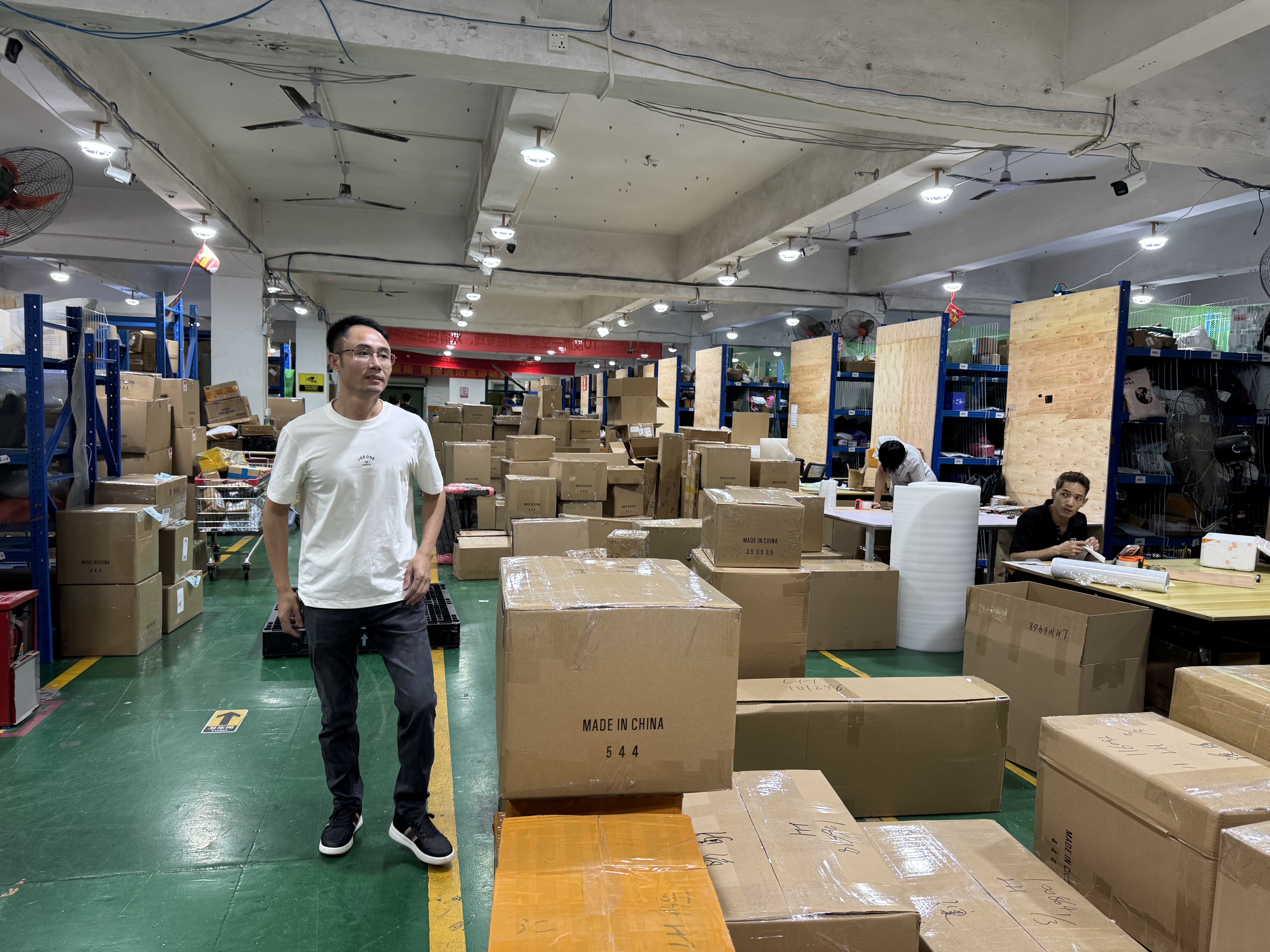
Competition Among Shipping Providers The competition among shipping companies can also affect shipping schedules. In 2026, as more players enter the China - Canada shipping market, there will be a race to offer better service and faster delivery times. Some companies might cut corners to reduce costs, which could lead to inconsistent schedules. On the other hand, Shengda International Logistics focuses on quality and reliability. We invest in advanced logistics technology to optimize our shipping routes and schedules. Our goal is not just to compete but to provide the best service for our clients.
IV. Type of Goods and Shipping Method
Different Goods, Different Schedules The type of goods you're shipping can have a big impact on the shipping schedule. For example, perishable goods like fresh fruits and vegetables require expedited shipping. In 2026, the demand for Chinese fresh produce in Canada is expected to grow. These shipments will likely be sent via air freight to ensure freshness. Air freight usually has a much shorter shipping time, around 7 - 12 days. However, non - perishable goods like furniture or building materials can be shipped via sea freight, which has a longer but more cost - effective schedule, typically 30 - 40 days. Shengda International Logistics offers customized shipping solutions based on the type of goods you're sending. We'll help you choose the most suitable shipping method to meet your schedule and budget requirements.
FAQ: "I'm shipping a mix of perishable and non - perishable goods. How can you handle that?" Our team at Shengda International Logistics is experienced in handling mixed shipments. We'll separate the goods and arrange the most appropriate shipping methods for each. For perishable items, we'll use air freight, and for non - perishable goods, sea freight. This way, you can get the best of both worlds in terms of cost and delivery time.Air vs. Sea Freight Air freight is known for its speed, but it's also more expensive. In 2026, with the development of more advanced aircraft and more direct routes between China and Canada, the air freight shipping schedule might become even more competitive. However, sea freight still has its advantages, especially for large - volume shipments. Sea freight carriers are also making efforts to improve their efficiency. For example, new container ships are being built with higher speeds and better fuel efficiency. Shengda International Logistics offers a comprehensive range of air and sea freight services. We'll analyze your specific needs and recommend the best option for you.
In conclusion, the shipping schedules from China to Canada in 2026 will be influenced by a variety of factors, including policies, seasons, market conditions, type of goods, and shipping methods. As a professional in the logistics industry, I can say that companies like Shengda International Logistics are well - equipped to navigate these changes and provide reliable shipping services for our clients.
