

In the dynamic world of international logistics, the year 2026 holds a lot of potential for the shipping of domestic goods to Canada. Different scenarios can significantly influence the process and outcomes of these shipments. Let's explore how.
I. Policy - Affected Scenarios
1. Trade Policy Changes
In 2026, the China - Canada trade policy may experience fluctuations. For instance, if there are new trade agreements that lower tariffs, it would be a boon for shippers. According to industry forecasts, a 10% reduction in tariffs could lead to a 15% increase in the volume of goods shipped from China to Canada. This means that more domestic products, such as electronics and textiles, can be exported at a more competitive price.
Take the case of a furniture manufacturer in China. In a normal tariff situation, the cost of shipping a container of furniture to Canada might be $5000 including tariffs. But with a tariff cut, the cost could drop to $4500, making it more attractive for Canadian buyers.
On the other hand, if there are stricter trade policies, like increased import quotas or more stringent product standards, it could pose challenges. For example, if new regulations on the use of certain chemicals in consumer products are introduced, Chinese manufacturers may need to adjust their production processes, which could increase costs and potentially slow down shipments.
2. Customs and Clearance Policies
Customs policies play a crucial role in the shipping process. In 2026, if Canada simplifies its customs clearance procedures for Chinese goods, it could speed up the delivery time. Currently, on average, it takes about 3 - 5 days for customs clearance. With a more streamlined process, this could be reduced to 1 - 2 days.
However, if there are tightened security checks or more thorough inspections, it may cause delays. For example, if food products from China are subjected to more in - depth quarantine inspections due to new food safety concerns, it could add several days to the shipping schedule.
II. Seasonal Scenarios
1. Peak Seasons
Peak seasons, such as the holiday seasons in Canada (Thanksgiving, Christmas, etc.), usually see a surge in the demand for consumer goods. In 2026, during these peak times, the volume of domestic goods shipped to Canada is expected to increase by around 30% compared to normal seasons.
Logistics companies may face challenges in handling the increased volume. For example, there may be a shortage of shipping containers, which could lead to higher container rental prices. A 20 - foot container that usually costs $1500 to rent may increase to $2000 during peak seasons.
2. Off - Peak Seasons
In off - peak seasons, the situation is quite the opposite. Shipping rates tend to be lower due to less competition for shipping space. For shippers, this is an ideal time to send non - urgent goods. For example, a clothing retailer in Canada may choose to stock up on winter clothes during the off - peak summer months when shipping costs are more affordable.
III. Logistics Service Scenarios
1. Different Shipping Modes
Air Freight Air freight is known for its speed but is relatively expensive. In 2026, for light and high - value items such as electronics and luxury goods, air freight will still be a popular choice. The average shipping time from China to Canada by air is about 3 - 5 days. However, the cost per kilogram can be as high as $10 - $20.Sea Freight Sea freight is more cost - effective for large - volume and heavy goods. For example, furniture, building materials, and bulk commodities are usually shipped by sea. In 2026, the cost of shipping a 40 - foot container from China to Canada by sea may range from $3000 - $5000, depending on the route and season. The shipping time is longer, typically around 20 - 30 days.
2. Value - Added Services
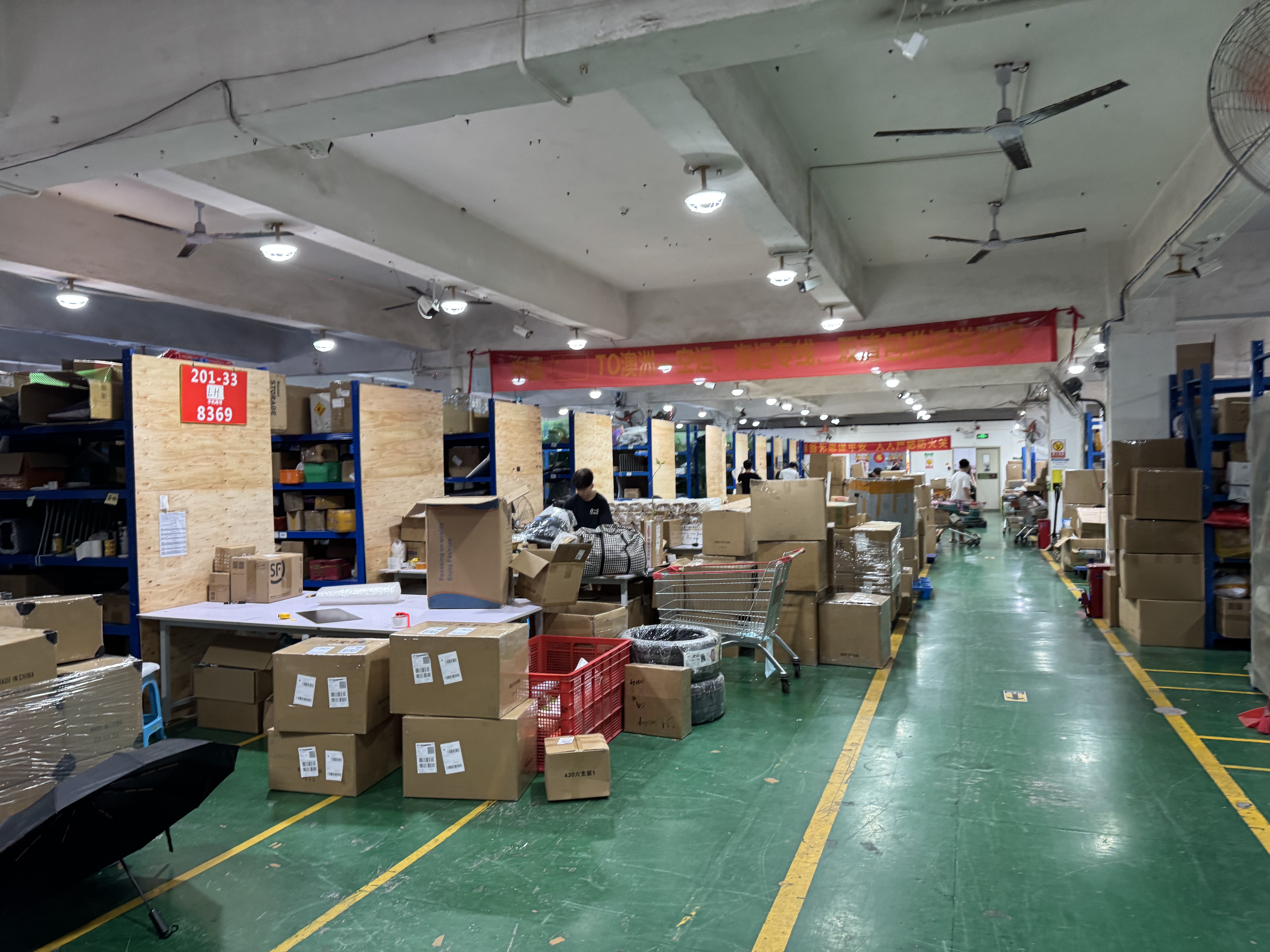
Some logistics providers offer value - added services such as warehousing, packaging, and customs brokerage. For example, a company like Shengda International Logistics provides a range of free value - added services. They offer 365 - day long - term free storage, which is a great advantage for customers who want to stock up goods or wait for the right time to ship.
IV. Customer Scenarios
1. Individual Customers
Individual customers, such as overseas students or immigrants in Canada, usually ship personal items like clothing, books, and small household appliances. They are more concerned about the cost and safety of shipping. In 2026, Shengda International Logistics' air freight service for small items can meet their needs. With a delivery time of 7 - 12 days, it is fast enough for urgent personal items, and the price is relatively reasonable.
2. Business Customers
Business customers, including furniture manufacturers, e - commerce sellers, and wholesalers, have different requirements. They need large - scale shipping solutions and reliable logistics partners. Shengda International Logistics' whole - container shipping service and large - item shipping service are well - suited for them. For example, for a furniture factory shipping a large number of products to Canada, the whole - container shipping service can ensure stable shipping capacity and reasonable prices.
Frequently Asked Questions (FAQ)
1. What if my goods are damaged during shipping?
As an experienced logistics provider, Shengda International Logistics has a formal compensation mechanism. If your goods are damaged due to operational errors, we will provide standard compensation according to the value of the goods, ensuring that your interests are protected.
2. Can I ship sensitive goods to Canada?
Yes, Shengda International Logistics has a dedicated compliance declaration channel for sensitive goods. We can transport items such as food, cosmetics, and electrical products that are usually rejected by ordinary shipping companies. We have professional knowledge and experience to avoid customs inspection and seizure risks.
3. How long can I store my goods in your warehouse?
At Shengda International Logistics, we offer 365 - day long - term free storage. This allows you to stock up on goods or wait for the right time to ship, improving your shipping flexibility.
4. Will there be any hidden fees during the shipping process?
Absolutely not. We adopt a one - price - all - included model, clearly stating all costs such as shipping fees, customs clearance fees, taxes, and delivery fees. There are no hidden fees, ensuring a transparent shipping process.
5. How can I track the status of my shipment?
We have developed a self - research intelligent shipping system. Through this system, you can track the entire process of your shipment in real - time, including storage, packaging, transportation, delivery, and signing, so that you can always know the status of your goods.
In conclusion, in 2026, the shipping of domestic goods to Canada will vary greatly depending on different scenarios. By understanding these scenarios and choosing a reliable logistics partner like Shengda International Logistics, shippers can make more informed decisions and achieve better shipping results.
