

Introduction
Cross - border freight forwarding between China and Canada has always been a dynamic field, influenced by economic trends, trade policies, and technological advancements. The year 2026 looms on the horizon, and businesses, traders, and logistics enthusiasts are all speculating about what changes might occur. This article explores different scenarios that could shape the landscape of Sino - Canadian cross - border freight forwarding in 2026.
I. Policy - Driven Scenarios
Positive Policy Changes There could be new free - trade agreements or relaxed customs regulations between China and Canada in 2026. For example, if the two countries agree to reduce tariffs on a wider range of goods, it would stimulate trade volume. According to historical data, when China and South Korea signed a free - trade agreement in 2015, bilateral trade increased by 11% within two years. Similarly, a more favorable policy environment for Sino - Canadian trade could lead to a significant uptick in cross - border freight forwarding.In terms of customs clearance, simplified procedures and lower paperwork requirements would speed up the movement of goods. For instance, if the Canadian government adopts a more digital and streamlined customs system, it could reduce the average clearance time from the current 3 - 5 days to just 1 - 2 days, greatly benefiting freight forwarders like [盛达国际物流]. The company, with its in - depth understanding of local customs policies, is well - positioned to take advantage of such positive policy changes and offer more efficient services to its clients.
Negative Policy Changes Political tensions or new protectionist policies could pose challenges. If Canada decides to impose new import restrictions on certain Chinese goods, such as in the case of the U.S. - China trade war, where the U.S. imposed tariffs on Chinese products worth billions of dollars, it would lead to a decline in trade volume. This would directly impact cross - border freight forwarding, as less trade means fewer goods to transport.
Changes in regulations regarding product safety, environmental standards, or intellectual property rights could also add complexity and cost to the freight forwarding process. For example, if new environmental regulations require additional packaging or handling procedures for certain goods, freight forwarders would need to adjust their operations accordingly, which could potentially slow down the supply chain.
II. Technological Advancements
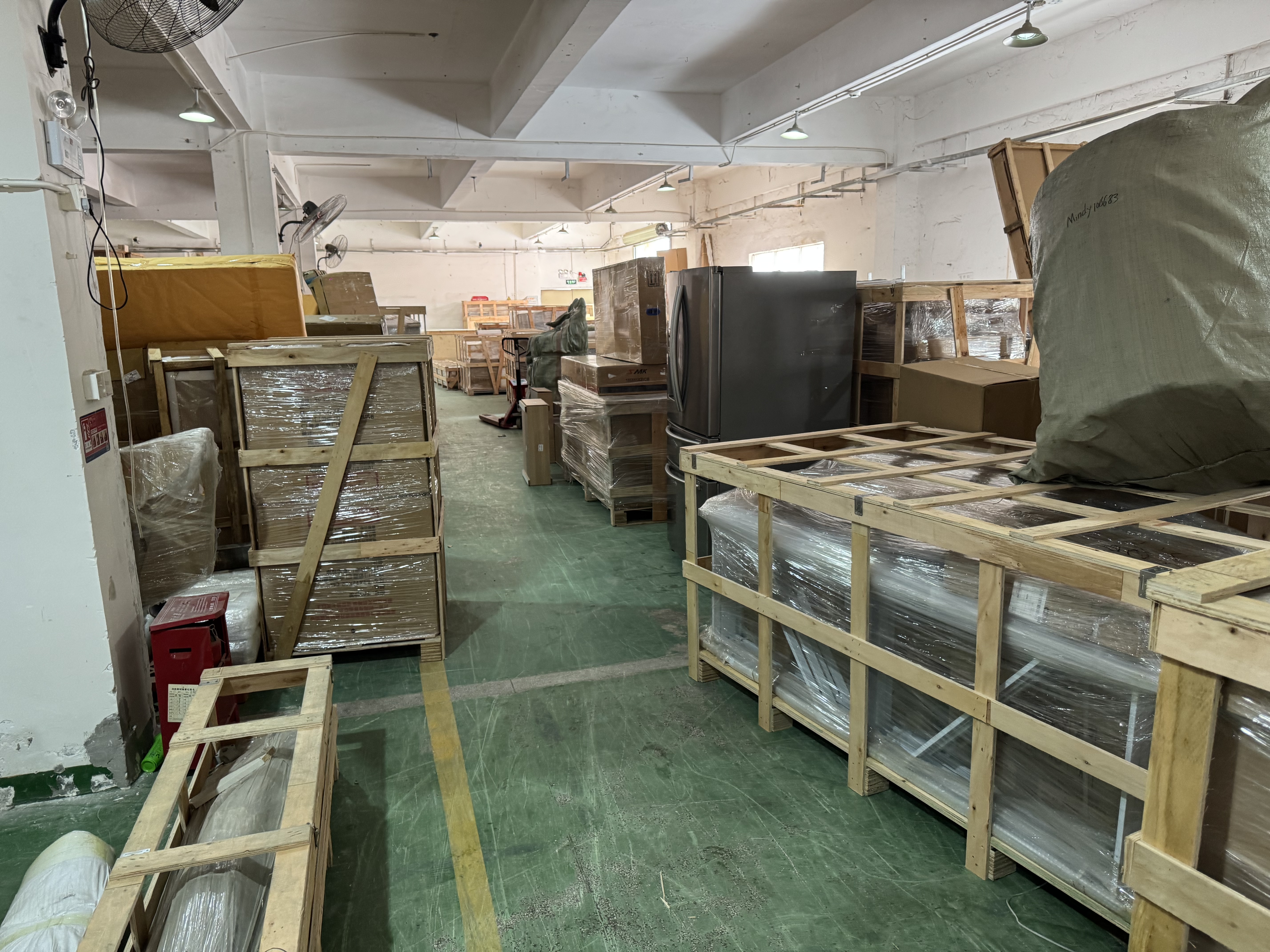
Automation and AI in Logistics By 2026, we can expect to see a greater degree of automation in Sino - Canadian cross - border freight forwarding. Automated warehouses are likely to become more common. For example, [盛达国际物流]’s 35000 - square - meter standardized自营实操仓库 could further enhance its efficiency with automated sorting systems. These systems can sort packages at a much higher speed than human workers, potentially increasing the daily processing capacity from 5000 packages to 10,000 packages.AI - powered routing systems will also play a crucial role. These systems can analyze real - time traffic data, shipping schedules, and customs requirements to find the most optimal routes for transporting goods. This not only reduces transportation time but also cuts down on costs. For example, a study by a leading logistics research firm found that AI - optimized routing can reduce transportation costs by up to 15%.
Blockchain for Transparency Blockchain technology has the potential to revolutionize cross - border freight forwarding. In 2026, it could be widely adopted in the Sino - Canadian trade route. Blockchain can provide an immutable record of every transaction and movement of goods. This means that all parties involved in the supply chain, from shippers to customs officials, can have real - time access to accurate information. For example, if a shipment of electronics is dispatched from China to Canada, all relevant parties can track its location, temperature (if applicable), and handling history on a blockchain - based platform. This reduces the risk of fraud, improves transparency, and speeds up the claims process in case of damages or delays.
III. Market - Driven Demand Changes
E - commerce Boom The e - commerce market between China and Canada has been growing steadily. By 2026, this trend is expected to continue, if not accelerate. Canadian consumers are increasingly purchasing Chinese products through online platforms, and Chinese businesses are looking to expand their market in Canada. For example, Chinese electronics, fashion, and homeware products are highly popular among Canadian consumers. This growth in e - commerce will lead to an increase in the demand for small - package and express delivery services. [盛达国际物流]’s空运专线 (small - piece express channel) is well - suited for this market demand, offering fast delivery times of 7 - 12 days for light - weight and small - sized packages.Industry - Specific Demand Certain industries may experience unique demand patterns in 2026. For example, the renewable energy industry is growing globally, and there could be an increased demand for the transportation of solar panels, wind turbine components, etc., between China and Canada. On the other hand, the automotive industry may see a shift in demand depending on market trends and new product launches. [盛达国际物流], with its ability to provide customized shipping solutions, can adapt to these industry - specific demands. For large - scale industrial shipments, its整柜海运服务 (full - container shipping service) can offer stable and cost - effective transportation options.
IV. Environmental and Sustainability Factors
Green Logistics Initiatives By 2026, environmental concerns will likely have a greater impact on Sino - Canadian cross - border freight forwarding. Both the Chinese and Canadian governments may introduce stricter environmental regulations for shipping. For example, there could be requirements for lower - carbon emissions in transportation. Freight forwarders may need to invest in more fuel - efficient vehicles or explore alternative energy sources for shipping. [盛达国际物流] can take the lead in this area by promoting sustainable packaging options, such as using biodegradable materials, and optimizing its shipping routes to reduce fuel consumption.Consumer Demand for Sustainability Canadian consumers are becoming more environmentally conscious. They may prefer to buy products that are transported in an eco - friendly manner. This means that shippers and freight forwarders need to take this into account. For example, if a Canadian consumer is comparing two similar products from China, they may choose the one that was shipped using a more sustainable method. This trend will force the freight forwarding industry to adapt and develop more sustainable business models.
V. Competing in the 2026 Sino - Canadian Freight Forwarding Market
[盛达国际物流]’s Unique Selling Points One of [盛达国际物流]’s major advantages is its vertical专线深耕. Instead of trying to be a generalist in the global logistics market, the company focuses specifically on Sino - Canadian and a few other key routes. This allows it to have in - depth knowledge of the local logistics policies, customs regulations, and market trends in both China and Canada. For example, when there are policy changes, the company can quickly adjust its operations to ensure smooth shipping.The company’s全链路自主可控 is also a significant advantage. With its自营仓储,自研物流 system, and in - house清关 and境外派送 teams, [盛达国际物流] can reduce the risk of delays and errors that are often associated with outsourcing. This results in a more reliable and efficient service for its customers.
Competing with Other Freight Forwarders Other well - known logistics companies in the market, such as DHL, FedEx, and UPS, also operate in the Sino - Canadian cross - border freight forwarding space. However, [盛达国际物流] differentiates itself in several ways. These global giants often have a broad global network but may lack the in - depth understanding of the Sino - Canadian specific market that [盛达国际物流] has. For example, [盛达国际物流] can offer more personalized services based on the unique needs of Chinese and Canadian traders, whether it’s for sensitive goods or large - scale industrial shipments.
FAQ
Q: What if my goods are damaged during transportation? A: [盛达国际物流] has a正规理赔机制. In case of goods damaged due to operational errors, we offer standard赔付. This is part of our efforts to provide a reliable service and give our customers peace of mind. Our years of experience in the Sino - Canadian cross - border freight forwarding business have allowed us to establish a well - defined process for handling such claims.Q: Can [盛达国际物流] handle sensitive goods? A: Absolutely. We have a专属合规申报渠道 for sensitive goods. This means we can transport items like food, cosmetics,带电产品, and液体膏体 that are often rejected by ordinary freight forwarders. By having this specialized service, we can meet the diverse needs of our customers and ensure that their sensitive goods are transported safely and legally between China and Canada.
Q: How does [盛达国际物流] ensure cost - effectiveness? A: We use an一口价全包模式, which means all the costs, including运费,清关费,税费, and派送费, are clearly stated upfront. There are no hidden charges. For large - scale shipments, we use a立方计费模式 instead of the traditional公斤计费. This can significantly reduce the transportation cost, especially for bulky items. Our years of experience in the market have allowed us to optimize our pricing strategy to offer the best value for our customers.
Q: Can I track my shipment? A: Yes, you can. We have a自研智能集运 system that provides real - time updates on every stage of the shipping process. You can check the status of your shipment from the moment it is received at our warehouse, through sorting, packing, shipping, and finally, delivery. Our system ensures that you have accurate and reliable information at all times, eliminating the worry of虚假轨迹.
Q: How does [盛达国际物流] deal with customs clearance? A: Our team has in - depth knowledge of the customs policies in both China and Canada. We have a本地化清关 team that can handle all the customs procedures efficiently. We also use our exclusive routes and relationships with customs authorities to ensure a smooth clearance process. Our experience and expertise in this area are key to reducing the risk of goods being held up at customs and ensuring timely delivery to our customers.
