

Shipping furniture to Canada can be a complex process, especially considering different scenarios and the policies in 2026. In this article, we'll explore various aspects and offer practical advice based on real - life experiences and industry knowledge.
I. Policy Landscape in 2026 for China - Canada and Canada - China Furniture Shipping
In 2026, the China - Canada and Canada - China shipping routes have some new policies regarding furniture transportation. For instance, there are stricter environmental regulations. Furniture made from certain endangered wood species is strictly prohibited. The Canadian government has also increased the inspection on the chemical substances used in furniture production to ensure they meet local environmental and health standards.
II. Precautions for Personal Furniture Shipping (e.g., Immigration or Student Relocation)
1. Furniture Inspection and Preparation
Before shipping, thoroughly inspect your furniture. Check for any damages, loose parts, or signs of pests. For example, if you have a wooden dresser, make sure there are no termite holes.Disassemble large furniture pieces as much as possible. A big dining table can be disassembled into a tabletop and legs, which not only saves space but also reduces the risk of damage during transit.
2. Packaging
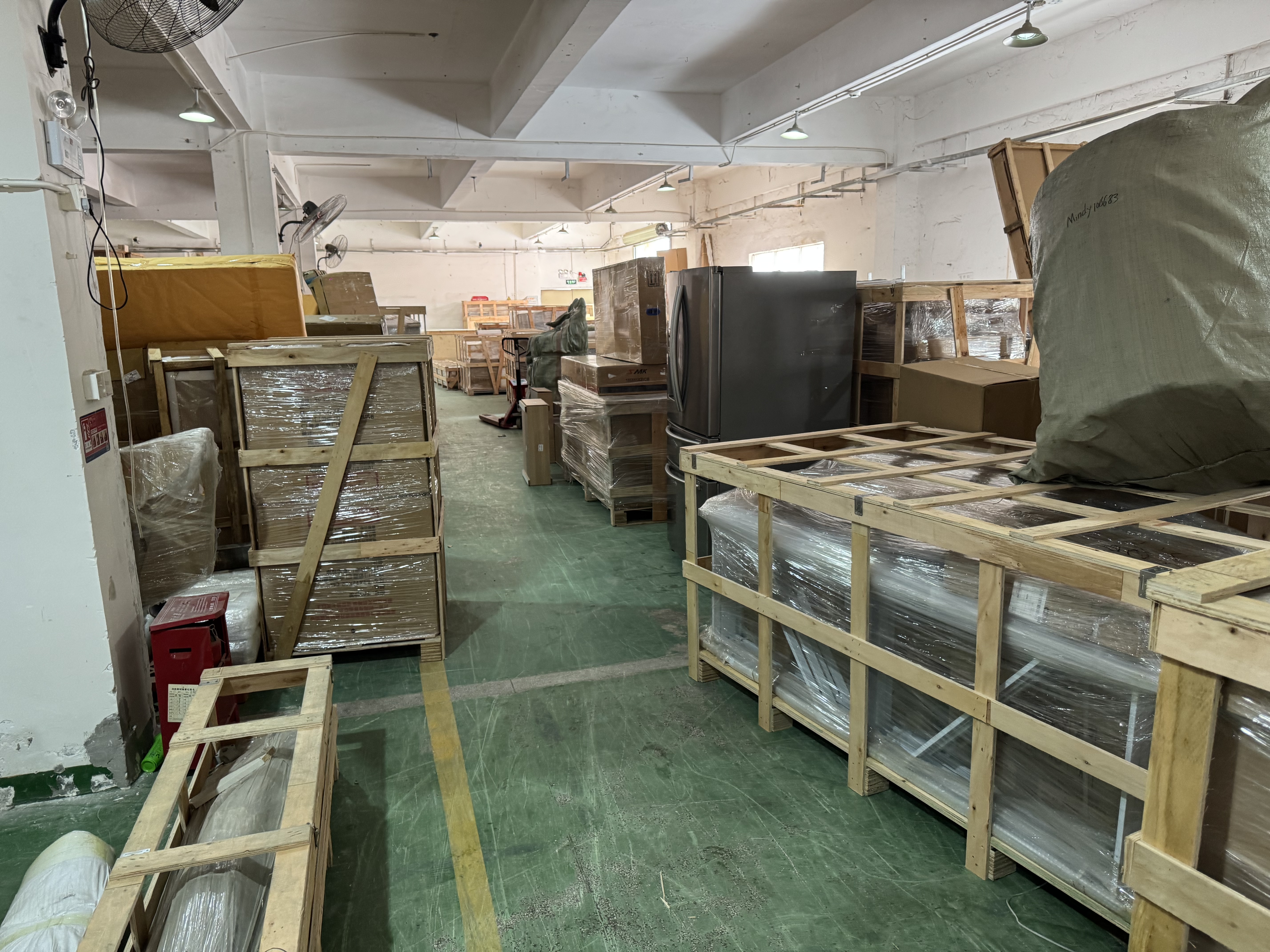
Use high - quality packaging materials. Bubble wrap is great for protecting delicate surfaces, while cardboard boxes can provide additional support. For a glass - topped coffee table, wrap the glass with multiple layers of bubble wrap and then place it in a custom - sized cardboard box.Label each package clearly with your name, destination address in Canada, and a brief description of the contents. This helps in easy identification and reduces the chance of misplacement.
3. Documentation
Prepare all necessary documents. You'll need a detailed inventory list of the furniture, including the make, model, and value of each item. For example, if you're shipping a brand - new leather sofa, note down the brand name, purchase price, and dimensions.Obtain a certificate of origin for the furniture. This is important for customs clearance, especially if you want to take advantage of any preferential trade agreements between China and Canada.
III. Precautions for Business Furniture Shipping (e.g., Furniture Manufacturers or Retailers)
1. Volume and Cost Calculation
Calculate the volume of the furniture accurately. In 2026, many shipping companies still use cubic - meter - based pricing for large - volume furniture shipments. For example, if you're shipping a container full of office chairs, measure the total volume of all the chairs to get an accurate shipping quote.Consider the shipping cost in relation to the profit margin of the furniture. Sometimes, choosing a more cost - effective shipping method, even if it takes a bit longer, can significantly increase your profit.
2. Shipping Method Selection
For large - scale furniture shipments, full - container shipping might be a better option. It offers more security and less handling, reducing the risk of damage. However, if your shipment is relatively small, you can opt for less - than - container - load (LCL) shipping, which is more cost - efficient.Choose a reliable shipping partner. For example, [盛达国际物流] has years of experience in shipping furniture from China to Canada. They have stable shipping routes and can handle various types of furniture, whether it's a single antique chair or a whole container of modern sofas.
3. Customs Compliance
Stay informed about Canadian customs regulations. In 2026, there are specific rules regarding furniture imports, such as the maximum allowable amount of formaldehyde in wooden furniture. Make sure your products meet these standards to avoid any customs issues.Work with a professional customs broker. They can help you with the complex customs clearance process, ensuring that all the necessary paperwork is in order and that your furniture can pass through customs smoothly.
IV. Precautions for Shipping Vintage or Antique Furniture
1. Appraisal and Insurance
Get your vintage or antique furniture appraised by a professional. This will determine its true value, which is crucial for insurance purposes. For example, if you're shipping an 18th - century Chinese - style cabinet, a proper appraisal can help you get an accurate insurance policy in case of damage or loss.Purchase comprehensive insurance. Vintage and antique furniture are often irreplaceable, so it's important to have adequate insurance coverage. Insurance companies may ask for the appraisal report when you file a claim.
2. Special Packaging
Use specialized packaging materials for antique furniture. Acid - free tissue paper can be used to wrap delicate carvings, and custom - made wooden crates can provide extra protection. For a fragile antique mirror, create a custom wooden frame around it and then cushion it with foam padding.Hire experienced packers. Some shipping companies, like [盛达国际物流], have a team of trained packers who know how to handle antique furniture with care. They can ensure that your precious items are properly packed and protected during transit.
3. Transport Route and Handling
Choose a shipping route that minimizes handling. For example, direct shipping routes are often better than routes with multiple stops, as each stop increases the risk of damage.Make sure the shipping company has experience in transporting antique furniture. [盛达国际物流] has a good reputation in handling high - value antique items, as they have strict handling procedures to ensure the safety of the furniture.
V. Frequently Asked Questions (FAQ)
1. Can I ship used furniture to Canada in 2026?
Yes, you can ship used furniture to Canada. However, you need to ensure that the furniture is in good condition and meets Canadian customs requirements. For example, it should be clean and free of pests. [盛达国际物流] can help you with the necessary documentation and ensure that your used furniture passes through customs smoothly.
2. How much does it cost to ship furniture to Canada?
The cost of shipping furniture to Canada depends on various factors such as the volume, weight, type of furniture, and shipping method. For small - volume shipments, air freight might be more convenient but more expensive, while for large - scale shipments, sea freight is usually more cost - effective. [盛达国际物流] offers a transparent pricing system, and they can provide you with an accurate quote based on your specific needs.
3. Are there any restrictions on the type of furniture I can ship?
Yes, there are restrictions. As mentioned, furniture made from endangered wood species is prohibited. Also, furniture with excessive chemical substances or those not meeting environmental and health standards will not be allowed into Canada. [盛达国际物流] is well - aware of these restrictions and can help you choose compliant furniture for shipping.
4. How long does it take to ship furniture to Canada?
The shipping time depends on the shipping method. For air freight, it usually takes about 7 - 12 days, while for sea freight, it can take anywhere from 20 days to a couple of months, depending on the route and the season. [盛达国际物流] has reliable shipping schedules and can keep you informed about the progress of your shipment throughout the process.
5. What should I do if my furniture is damaged during shipping?
If your furniture is damaged during shipping, first contact the shipping company immediately. [盛达国际物流] has a standard damage claim process. You'll need to provide evidence of the damage, such as photos and a detailed description. They will then evaluate the claim and provide appropriate compensation based on their insurance policy.
In conclusion, shipping furniture to Canada in 2026 requires careful planning and attention to detail, especially considering the policies and regulations in place. Whether you're an individual shipping furniture for personal use or a business shipping products, choosing a reliable shipping partner like [盛达国际物流] can make the process a lot smoother.
