

Furniture shipping to Australia is a significant part of international logistics, catering to various needs such as new - immigrant relocation, business expansions, and personal consumption. As we look ahead to 2026, different shipping scenarios are likely to come across a mix of opportunities and challenges.
I. Policy - related Challenges
1. 2026 China - Australia and Australia - China Transport Route Policies
In 2026, the transport routes between China and Australia will be subject to specific policies. Customs regulations are expected to be more stringent. For instance, there may be higher requirements for the origin of the wood used in furniture. Australian customs has a long - standing concern about imported timber pests and diseases. A new policy could mandate more comprehensive and detailed documentation proving the wood's origin and treatment. In 2025, about 10% of furniture shipments to Australia were held up due to incomplete or inaccurate documentation. With stricter policies in 2026, the number might potentially increase.
2. Quarantine and Biosecurity Policies
Australia has some of the world's strictest quarantine and biosecurity policies. In 2026, new phytosanitary regulations may be introduced. Furniture made of natural materials like bamboo or rattan will need to undergo more advanced treatment processes to prove they are pest - free. A shipment of bamboo furniture in 2024 was rejected because it didn't pass the then - existing quarantine check. In 2026, the situation could be even more challenging, and companies need to be well - prepared.
FAQ: How can I ensure my furniture complies with Australia's quarantine policies in 2026? From my experience, you should choose a logistics provider like Shengda International Logistics. They have in - depth knowledge of these policies. For example, they can arrange for the necessary heat treatment or chemical treatment of the furniture made from natural materials before shipping. Their team can help you prepare all the required documentation to satisfy the quarantine requirements.
II. Shipping Method - based Challenges
1. Air Freight
Air freight is known for its speed, but when it comes to furniture shipping to Australia, it has its own set of challenges. Furniture is generally bulky, and in 2026, the cost of air freight is likely to increase due to rising fuel prices and limited cargo space. According to industry forecasts, air freight rates could go up by 15% compared to 2025 levels. This makes it less cost - effective for large - scale furniture shipping. For example, a single large - sized sofa may cost around $2000 to ship by air in 2025, and in 2026, it could cost upwards of $2300.
2. Sea Freight
Sea freight is a more common choice for furniture shipping due to its relatively lower cost. However, in 2026, there may be challenges in terms of shipping schedules and capacity. With the growth of international trade, ports may face congestion. In 2024, some ports in Australia experienced delays of up to two weeks due to high volumes of incoming shipments. In 2026, this problem could be exacerbated, leading to longer delivery times for furniture.
FAQ: Is air freight or sea freight better for shipping furniture to Australia in 2026? It depends on your situation. If you need the furniture urgently, air freight is an option, but be prepared for the high cost. Shengda International Logistics can help you assess if it's worth it. For most cases, sea freight is more economical. Shengda has good relationships with shipping lines, and they can secure better schedules and rates for you, reducing the impact of potential port congestion in 2026.
III. Scenario - specific Challenges
1. Residential Relocation
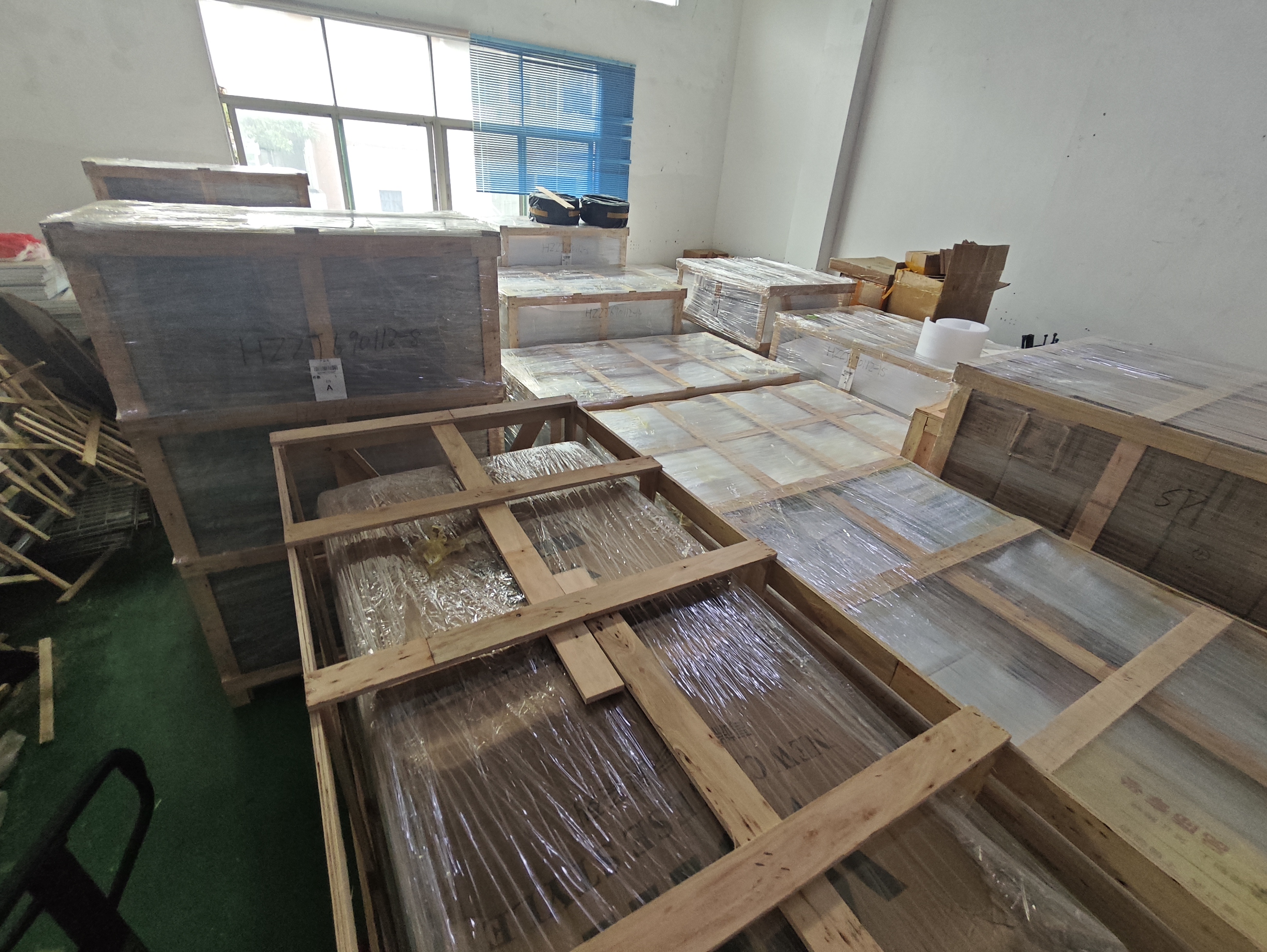
When a family is relocating to Australia and shipping their household furniture, they often face challenges related to packing and insurance. In 2026, the complexity of packing may increase due to stricter handling requirements. For example, fragile furniture items like glass - topped tables may need more elaborate protective packaging. Also, insurance policies may become more complex. In 2025, some insurance claims for damaged furniture during shipping were denied due to improper packing. In 2026, insurance companies may tighten their requirements further.
2. Commercial Shipment
For businesses shipping furniture to Australia, market demand and competition are major factors. In 2026, the Australian furniture market may become more saturated, leading to a more competitive environment. Companies need to ensure timely delivery of their furniture to meet customer demands. If a shipment is delayed, it could result in lost sales opportunities. In 2024, a furniture retailer lost an estimated $50,000 in sales due to a shipment delay.
FAQ: How can Shengda International Logistics help with residential furniture relocation to Australia in 2026? Shengda offers one - stop services. They have professional packers who are well - versed in the latest packing requirements. They can also provide comprehensive insurance options that are in line with the possible tightening of insurance policies in 2026. Their team will handle every aspect of the shipment, so you can focus on your relocation.
3. Custom - made Furniture
Custom - made furniture often has unique dimensions and quality requirements. In 2026, shipping custom - made furniture to Australia may face challenges in terms of fitting into standard shipping containers. If the furniture doesn't fit properly, it may require special handling or even custom - made containers, which can significantly increase the cost. Also, ensuring the quality of custom - made furniture during shipping is crucial. Any damage to the unique design could be difficult to repair.
FAQ: What if my custom - made furniture doesn't fit into standard shipping containers in 2026? Shengda International Logistics has experience dealing with non - standard shipments. They can work with you and the manufacturer to find the best solution. This could involve disassembling the furniture for shipping and then reassembling it at the destination. They can also source or arrange for custom - made containers if necessary, ensuring your custom - made furniture reaches Australia safely.
IV. Competition in the Logistics Market
1. Traditional Logistics Companies
Traditional logistics companies have long - standing experience in furniture shipping. In 2026, they will continue to be strong competitors. However, many of them may still rely on old - fashioned methods, which could lead to inefficiencies. For example, some traditional companies may have longer processing times for documentation, leading to delays in shipping.
2. New - age Logistics Start - ups
New - age logistics start - ups are emerging with innovative solutions. They may offer more flexible shipping options and advanced tracking systems. However, they may lack the experience and established networks that companies like Shengda International Logistics have. Shengda has been in the business for a long time, serving thousands of customers shipping furniture to Australia. Their experience in dealing with various challenges gives them an edge over new start - ups.
FAQ: Why should I choose Shengda International Logistics over new - age logistics start - ups for furniture shipping to Australia in 2026? While new - age start - ups may have some innovative features, Shengda offers reliability. We have a proven track record of handling furniture shipments to Australia. Our established networks with shipping lines, customs agents, and local partners ensure a smooth shipping process. We can also draw on our years of experience to solve any problems that may arise in 2026, which new start - ups may struggle with.
In conclusion, furniture shipping to Australia in 2026 will indeed face challenges in different scenarios. However, with a reliable logistics partner like Shengda International Logistics, these challenges can be effectively managed. Their expertise, resources, and commitment to customer service make them a top choice for anyone looking to ship furniture to Australia.
