

Are you planning to send furniture to Canada in 2026 and worried about the tariffs? Well, you're not alone. The cost of tariffs can significantly impact the overall expense of shipping furniture across the border. In this article, we'll dive into different scenarios and provide you with a comprehensive understanding of how much you might have to pay.
I. Understanding the Basics of Tariffs for Furniture Shipping to Canada in 2026
1. Harmonized System (HS) Codes
The first step in determining tariffs is to know the Harmonized System (HS) code for the furniture you're sending. HS codes are international standard codes used to classify products. For example, wooden dining tables might fall under a different HS code than upholstered sofas. A wooden dining table could have an HS code like 9403.60.90, while an upholstered three - seat sofa might be classified under 9401.61.00. Different HS codes have different tariff rates associated with them set by the Canadian government.
2. Free - Trade Agreements and Their Impact
In 2026, free - trade agreements will play a crucial role. If China and Canada have certain free - trade pacts, some types of furniture might be eligible for reduced or zero tariffs. For instance, if China and Canada expand the scope of their trade agreement to include more categories of wooden furniture, Canadian importers might not have to pay high duties on Chinese - made wooden chairs.
II. Scenarios for Different Types of Furniture
1. Solid Wood Furniture
Solid wood furniture, such as oak or maple beds, is a popular choice. In 2026, the tariff situation could vary. If the wood is sustainably sourced and meets Canadian environmental standards, and there is an existing trade agreement promoting sustainable forestry products, the tariff might be relatively low. Let's say if the value of a solid oak dining set is $2000, under normal circumstances without any special trade incentives, the tariff rate could be around 5% - 8%. So, the tariff could cost between $100 - $160. However, if it qualifies under a green trade initiative, the tariff might drop to 2% or even be waived.
2. Upholstered Furniture
Upholstered furniture like sofas and armchairs often face more complex tariff situations. The fabric, the filling materials, and the country of origin of these components all matter. If the fabric is imported from a third - party country with no favorable trade agreement, it could increase the overall tariff. For a $3000 leather sofa, if the leather is from a country with a standard tariff rate of 10% and the other parts are subject to an additional 3% tariff, the total tariff could be around $390.
3. Metal Furniture
Metal furniture, such as steel or aluminum outdoor furniture, also has its own tariff rules. In 2026, if there are concerns about over - production and dumping in the metal industry, the Canadian government might impose anti - dumping duties. For example, a set of steel patio chairs valued at $1500 could face a base tariff of 4%, which is $60. But if an anti - dumping duty of 15% is applied, the additional cost would be $225, making the total tariff cost $285.
III. Shipping Routes and Their Influence on Tariffs
1. Direct Shipping from China to Canada
When you choose a direct shipping route from China to Canada in 2026, it can sometimes lead to more straightforward tariff calculations. Since there are no trans - shipment delays or additional handling in third - party countries, the risk of misclassification of goods is reduced. For example, if you use a direct air freight service provided by a reliable logistics company like Shengda International Logistics, they have in - depth knowledge of the Canadian customs regulations and can ensure that your furniture is correctly classified, potentially saving you on tariff costs.
2. Indirect Routes via Third - Party Countries
Indirect routes via third - party countries can be more complicated. If the furniture stops in a third - party country for trans - shipment, it might be subject to the local regulations of that country. For instance, if the furniture is trans - shipped through a country that has strict environmental inspection requirements and the furniture doesn't fully meet those standards, it could lead to additional fees or even a re - evaluation of the tariff when it finally reaches Canada.
IV. The Role of Logistics Companies in Tariff Management
1. Shengda International Logistics' Expertise
Shengda International Logistics has a team of professionals with over 10 years of experience in international shipping and customs clearance. They are well - versed in the Canadian customs regulations and can accurately classify your furniture according to the HS codes. This ensures that you pay the correct tariff and avoid any over - or under - payment. For example, they can help you determine if your furniture qualifies for any tariff exemptions or reductions under the existing trade agreements.
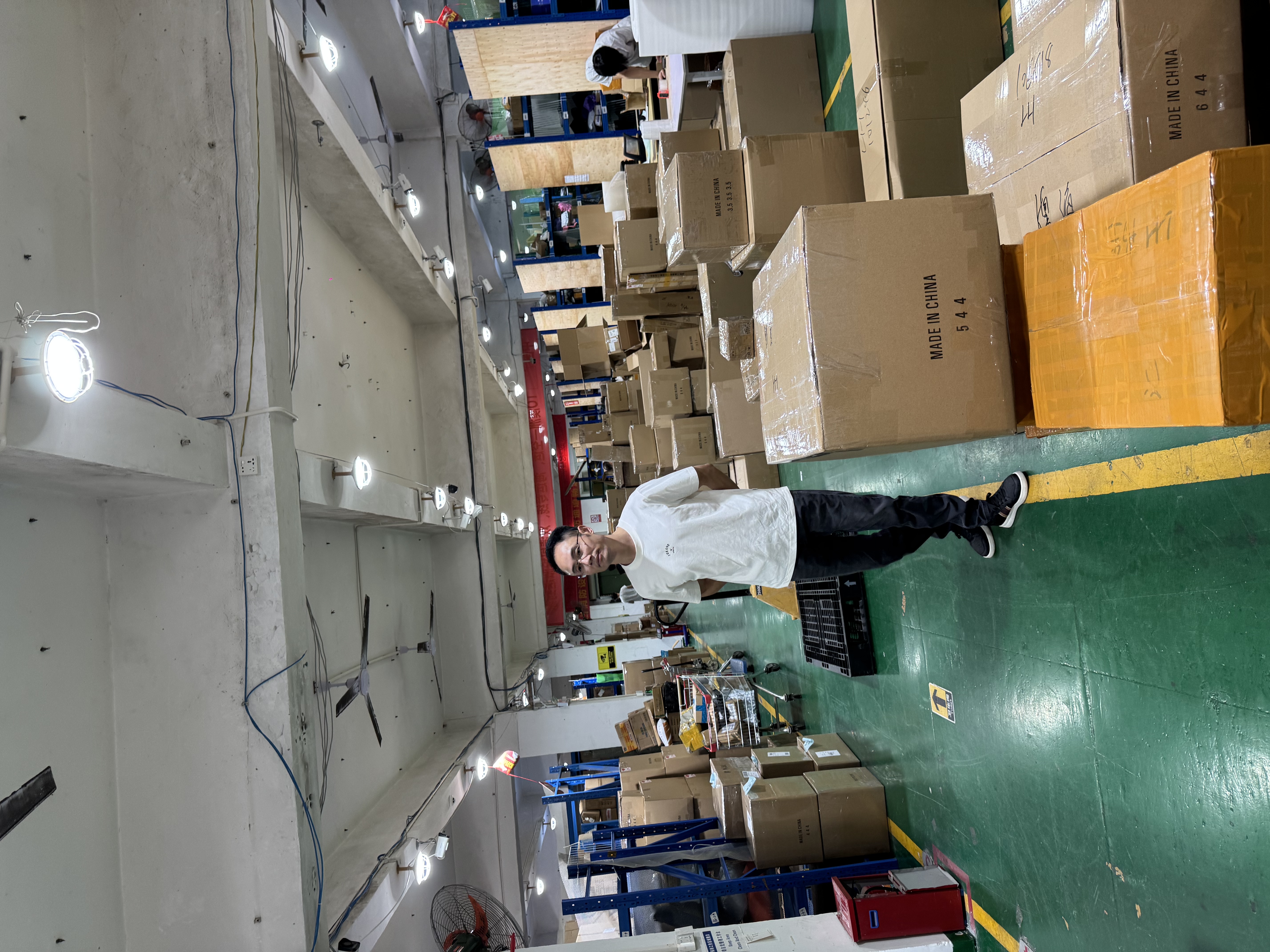
2. Other Logistics Companies' Comparison
Some other logistics companies may not have the same level of expertise. They might misclassify the goods, leading to higher tariffs. Or they may not keep up - to - date with the latest trade policies, resulting in unexpected costs for the customers. In contrast, Shengda International Logistics invests in continuous training for its staff to stay informed about the ever - changing regulations in 2026.
V. Tips to Minimize Tariff Costs for Furniture Shipping in 2026
1. Research Trade Agreements
Before shipping your furniture, thoroughly research the free - trade agreements between China and Canada in 2026. If there are any product - specific incentives, make sure your furniture meets the requirements. For example, if there is an agreement promoting the trade of recycled material furniture, and your furniture uses a certain percentage of recycled materials, you could be eligible for tariff exemptions.
2. Choose the Right Logistics Partner
As mentioned earlier, a reliable logistics partner like Shengda International Logistics can help you manage your tariff costs. They can assist with proper documentation, ensuring all the necessary certificates are in order. For example, if your wooden furniture needs a certificate of origin to prove its source and qualify for a lower tariff, they can help you obtain it.
FAQ
1. How can I be sure my furniture is correctly classified for tariff purposes?
As someone with experience in the logistics field, I can tell you that working with a professional logistics company is key. Shengda International Logistics has a team of experts who are well - trained in classifying goods according to the HS codes. They stay updated on the latest regulations, so you can trust them to accurately classify your furniture and ensure you pay the correct tariff.
2. Will shipping my furniture through a third - party country always increase my tariff costs?
Not necessarily. While it can be more complicated and there is a risk of additional fees, if the third - party country has a favorable trade agreement with Canada and your furniture meets the requirements, it could potentially lead to lower tariffs. However, it's a tricky situation, and it's best to consult a logistics expert like those at Shengda International Logistics.
3. Can I get a refund if I over - pay the tariff on my furniture?
Yes, in most cases, if you can prove that you over - paid the tariff due to misclassification or other valid reasons, you can apply for a refund. Shengda International Logistics can assist you in this process. They have experience in handling tariff refund applications and can help you gather the necessary documentation.
4. How do free - trade agreements change the tariff situation for furniture shipping?
Free - trade agreements can significantly reduce or even eliminate tariffs for certain types of furniture. For example, if there is an agreement promoting the trade of eco - friendly furniture, and your furniture meets the environmental standards set in the agreement, you might not have to pay any tariff. Shengda International Logistics keeps a close eye on these agreements and can advise you on how to take advantage of them.
5. What if my furniture is damaged during shipping and I've already paid the tariff?
If your furniture is damaged during shipping, Shengda International Logistics has a proper claims process. You should first contact their customer service. They will assess the damage and, if it's due to their handling, they will initiate the claims process. Regarding the tariff, in some cases, if the damaged goods are returned to the origin, you might be eligible for a tariff refund. The logistics team can guide you through this process.
