

In recent years, the cross - border furniture trade between China and Australia has witnessed remarkable growth. With the continuous development of the logistics industry and the adjustment of relevant policies, there is speculation about whether 2026 will see a surge in self - pick - up furniture from Australian sea - freight warehouses. Let's delve into this topic from multiple aspects.
I. Current Situation of China - Australia Furniture Trade and Logistics
1. Trade Volume
In the past few years, the furniture trade volume between China and Australia has been on the rise. According to the data from relevant trade departments, the annual import value of Australian furniture from China has reached hundreds of millions of dollars. For example, in the last fiscal year, the import value of Australian furniture from China exceeded $300 million, with a growth rate of about 5% compared to the previous year.
2. Logistics Modes
Currently, sea - freight is the dominant mode for transporting furniture from China to Australia. It is favored for its relatively low cost and large - volume transportation capacity. For instance, large furniture manufacturers in China often choose sea - freight to ship their products to Australia. However, the traditional sea - freight delivery model usually involves door - to - door service or warehouse - to - customer service, and the proportion of self - pick - up is relatively small.
II. Factors Affecting the Surge of Self - pick - up Furniture in 2026
1. Policy Changes in 2026
In 2026, there may be some policy adjustments in the China - Australia transportation route and the Australia - China transportation route. For example, the Australian government may introduce policies to encourage local consumers to pick up goods by themselves to relieve the pressure on local logistics distribution. At the same time, China may also optimize some export procedures for furniture, which will make the sea - freight process more efficient. These policies may promote the growth of self - pick - up furniture.
2. Cost - saving Considerations
Self - pick - up furniture can save a lot of transportation costs for consumers. When consumers choose self - pick - up, they can avoid the additional delivery fees charged by logistics companies. For example, for a set of large - sized furniture worth about $2,000, the delivery fee may be as high as $200 - $300. By self - picking up, consumers can save this part of the cost. As consumers become more cost - conscious, the demand for self - pick - up furniture may increase.
3. Logistics Efficiency and Flexibility
With the development of logistics technology, the efficiency of sea - freight warehouses in Australia is also improving. Warehouses can provide more accurate inventory information and more flexible self - pick - up time arrangements. Consumers can choose the most suitable time to pick up furniture according to their own schedules instead of waiting for the fixed delivery time. This flexibility is very attractive to consumers, especially those with busy schedules.
4. Consumer Behavior Changes
In recent years, consumer behavior has undergone significant changes. More and more consumers are willing to participate in the process of obtaining goods. They enjoy the sense of control and the experience of self - picking up goods. In addition, with the popularity of the Internet, consumers can easily access information about furniture in sea - freight warehouses, including product details, inventory status, and self - pick - up procedures. This convenience also promotes the development of self - pick - up furniture.
III. Challenges Faced by the Surge of Self - pick - up Furniture
1. Furniture Handling Difficulties
Furniture is usually large - sized and heavy, which brings certain difficulties to self - pick - up. Consumers need to have suitable transportation tools and handling skills. For example, a large - sized sofa may require a van for transportation, and improper handling during the process may cause damage to the furniture.
2. Warehouse Location and Traffic Conditions
The location of sea - freight warehouses in Australia may not be very convenient for consumers. Some warehouses are located in remote areas, and consumers may need to travel a long distance to pick up furniture. In addition, traffic conditions on the way to the warehouse may also affect the self - pick - up experience. For instance, if there is heavy traffic congestion, it will waste consumers' time and energy.
3. Insurance and After - sales Service
When consumers choose self - pick - up, they may face some problems in insurance and after - sales service. If the furniture is damaged during the self - pick - up process, it may be difficult to determine the responsibility. And the after - sales service may also be more complicated compared to the door - to - door service.
IV. The Role of Logistics Companies like Shengda International Logistics
1. Professional Logistics Solutions
Shengda International Logistics, with its years of experience in the cross - border logistics field, can provide professional solutions for the transportation of furniture from China to Australia. It has a deep understanding of the customs policies of both countries and can ensure the smooth passage of furniture through customs. For example, in the process of exporting furniture from China, it can help furniture manufacturers complete the necessary customs declaration procedures, and in Australia, it can handle the import - related formalities efficiently.
2. Warehouse Management
Shengda International Logistics has its own warehouses in Australia, which can provide high - quality warehouse management services. It can ensure the safety and integrity of furniture in the warehouse, and at the same time, provide accurate inventory information for consumers who want to self - pick up furniture. In addition, the warehouse can arrange the storage space of furniture reasonably to facilitate consumers to pick up furniture quickly.
3. Value - added Services
The company also offers a series of value - added services, such as furniture packaging and protection. It can use professional packaging materials and methods to protect furniture from damage during transportation and storage. For those customers who choose self - pick - up, Shengda International Logistics can also provide some guidance on furniture handling and transportation to help them avoid potential problems.
V. FAQ
1. How long does it usually take for furniture to be shipped from China to Australian sea - freight warehouses?
Based on my experience, with Shengda International Logistics' sea - freight service, it usually takes about 15 - 25 days for furniture to be shipped from China to Australian sea - freight warehouses. The company has stable shipping routes and can ensure relatively fast transportation time.
2. What if the furniture is damaged during self - pick - up?
Shengda International Logistics has a complete after - sales service system. If the furniture is damaged during self - pick - up, you can contact their customer service in time. They will help you determine the responsibility and provide corresponding solutions, such as repair or replacement.
3. Can I get insurance for the furniture during self - pick - up?
Yes, Shengda International Logistics can provide insurance services for the furniture during the self - pick - up process. You can choose the appropriate insurance plan according to the value of the furniture to ensure your interests.
4. How can I know the inventory status of furniture in the Australian sea - freight warehouse?
Shengda International Logistics has a self - developed intelligent logistics system. You can log in to the system through the official website or mobile app to check the real - time inventory status of furniture in the Australian sea - freight warehouse.
5. Are there any additional fees for self - pick - up furniture?
Shengda International Logistics adopts a transparent pricing system. Generally, there are no additional fees for self - pick - up furniture. The cost mainly includes the transportation cost from China to the Australian warehouse and some necessary handling fees in the warehouse, which are clearly stated in advance.
In conclusion, although there are some challenges, there is a possibility that 2026 will see a surge in self - pick - up furniture from Australian sea - freight warehouses. With the support of policies, the improvement of logistics efficiency, and the promotion of consumer behavior changes, the self - pick - up furniture market may have a bright future. And logistics companies like Shengda International Logistics will play an important role in this process.
In recent years, the cross - border furniture trade between China and Australia has grown significantly. With logistics industry development and policy adjustments, there's speculation on whether 2026 will bring a surge in self - pick - up furniture from Australian sea - freight warehouses. Let's explore this from multiple angles.
I. Current China - Australia Furniture Trade and Logistics
1. Trade Volume
Over the past few years, the China - Australia furniture trade volume has been rising. Trade department data shows that Australia's annual furniture imports from China reach hundreds of millions of dollars. For example, last fiscal year, the import value exceeded $300 million, with a 5% growth from the previous year.
2. Logistics Modes
Currently, sea - freight dominates furniture transport from China to Australia due to its low cost and large - volume capacity. Chinese furniture manufacturers often choose it. But the traditional model involves door - to - door or warehouse - to - customer service, and self - pick - up is less common.
II. Factors for a Possible Surge in 2026
1. 2026 Policy Changes
In 2026, there might be policy adjustments in China - Australia and Australia - China transportation routes. The Australian government may encourage self - pick - up to relieve logistics pressure. China could also optimize furniture export procedures, making sea - freight more efficient and promoting self - pick - up furniture.
2. Cost - saving
Self - pick - up can save consumers a lot on transportation. A large - sized furniture set worth about $2,000 could have a $200 - $300 delivery fee. Avoiding this fee is an incentive for consumers as they become more cost - aware.
3. Logistics Efficiency and Flexibility
Australian sea - freight warehouses are becoming more efficient with technology. They can provide accurate inventory and flexible self - pick - up times. Consumers can choose convenient times instead of waiting for fixed deliveries, which is appealing, especially to busy people.
4. Consumer Behavior Changes
Consumer behavior has changed. More people like to be involved in getting their goods. With the Internet, they can easily access furniture information in warehouses, including details, inventory, and self - pick - up procedures, promoting self - pick - up.
III. Challenges for Self - pick - up Furniture
1. Furniture Handling
Furniture is big and heavy, making self - pick - up difficult. Consumers need proper transport and handling skills. A large sofa may need a van, and improper handling can damage it.
2. Warehouse Location and Traffic
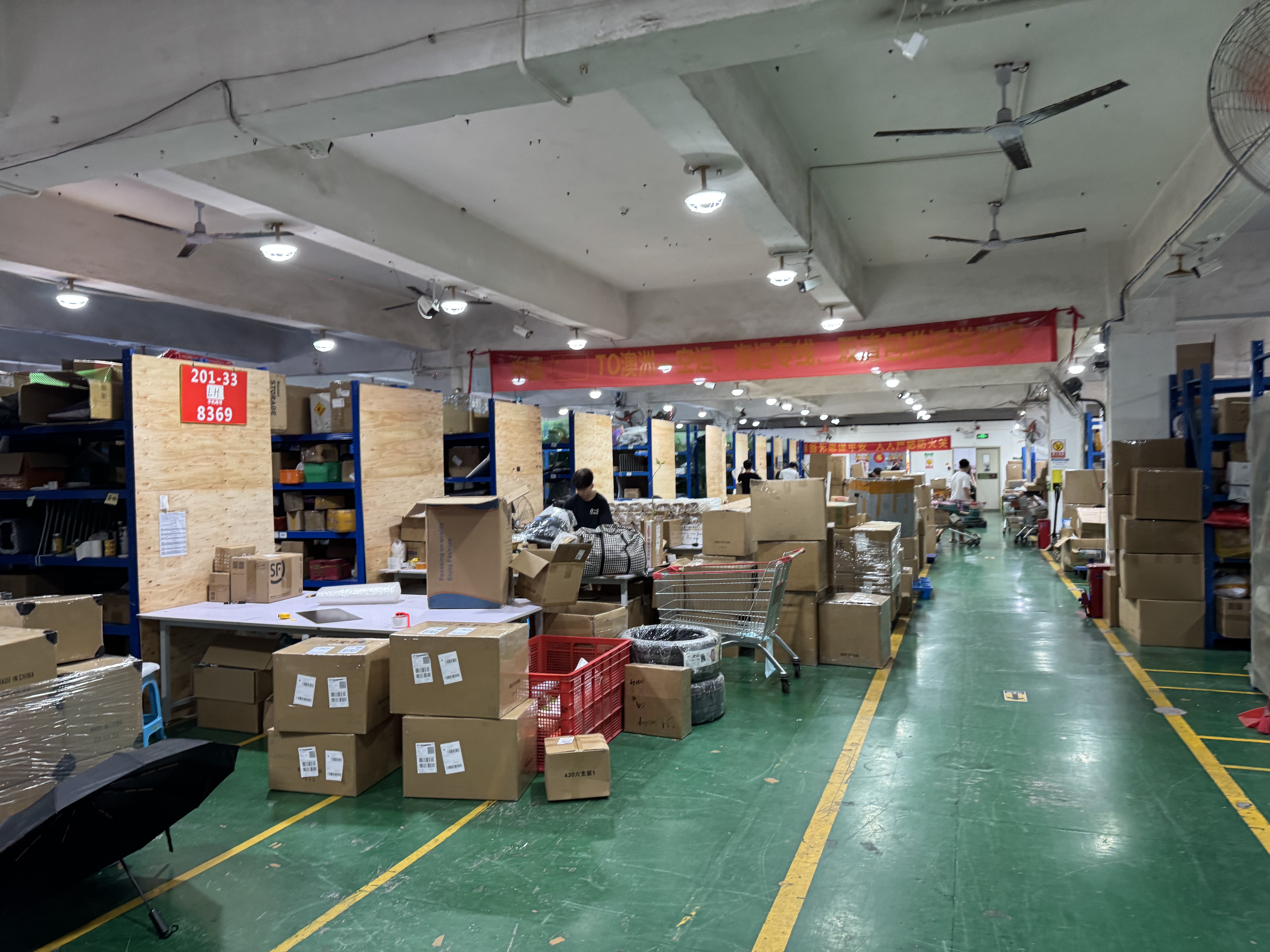
Some Australian sea - freight warehouses are in remote areas. Consumers may have to travel far and deal with traffic, which can affect the self - pick - up experience.
3. Insurance and After - sales
Self - pick - up can cause problems with insurance and after - sales. Determining responsibility for damage during self - pick - up can be hard, and after - sales may be more complex than with door - to - door service.
IV. Shengda International Logistics' Role
1. Professional Solutions
Shengda International Logistics, experienced in cross - border logistics, can offer professional solutions for China - to - Australia furniture transport. It understands customs policies in both countries and can ensure smooth customs clearance.
2. Warehouse Management
The company has its own Australian warehouses, providing high - quality management. It keeps furniture safe and provides accurate inventory info. It also arranges storage space well for quick pick - up.
3. Value - added Services
Shengda offers value - added services like furniture packaging. It can protect furniture during transport and storage. For self - pick - up customers, it provides handling and transport guidance.
V. FAQ
1. How long does furniture shipping from China to Australian warehouses usually take?
From my experience with Shengda International Logistics, it's about 15 - 25 days. The company has stable shipping routes for relatively fast transport.
2. What if furniture gets damaged during self - pick - up?
Shengda has a good after - sales system. Contact their customer service, and they'll handle it, like arranging repairs or replacements.
3. Can I get furniture insurance for self - pick - up?
Yes, Shengda offers insurance. You can choose a plan based on the furniture's value to protect your interests.
4. How can I check furniture inventory in Australian warehouses?
Shengda's intelligent logistics system lets you check inventory on its website or app in real - time.
5. Are there extra fees for self - pick - up furniture?
Shengda has a transparent pricing system. Usually, no extra fees for self - pick - up. Costs like transport from China and warehouse handling are clearly stated.
All in all, despite challenges, 2026 could see a surge in self - pick - up furniture from Australian sea - freight warehouses. Policy support, logistics efficiency, and consumer behavior changes may drive the market. And companies like Shengda International Logistics will be crucial in this development.
