

Will 2026 See Different Scenarios for Canada's Ocean Freight Shipping?
In the dynamic world of international logistics, the ocean freight shipping industry is constantly evolving. Canada, with its extensive coastline and significant international trade, is no stranger to these changes. As we look ahead to 2026, it's natural to wonder if there will be different scenarios for Canada's ocean freight shipping. Let's delve into this topic and explore what the future might hold.
I. Current State of Canada's Ocean Freight Shipping
Canada's ocean freight shipping plays a crucial role in its economy. It serves as a major conduit for the import and export of various goods, including raw materials, manufactured products, and consumer goods. According to recent statistics, in 2023, Canada's total seaborne trade volume reached approximately 400 million tons. The major ports, such as the Port of Vancouver, the Port of Montreal, and the Port of Halifax, handle a large portion of this trade.
The Port of Vancouver, for example, is one of the busiest ports on the West Coast of North America. In 2023, it handled over 140 million tons of cargo, including a significant amount of containerized goods bound for Asia and other parts of the world. The Port of Montreal, on the other hand, is a key gateway for trade with Europe and the eastern United States, handling around 30 million tons of cargo annually.
II. Factors Affecting Canada's Ocean Freight Shipping in 2026
Trade Policies and Agreements The trade relationship between Canada and its major trading partners will have a significant impact on ocean freight shipping in 2026. For instance, the Canada - United States - Mexico Agreement (CUSMA) has been a cornerstone of North American trade. Any changes or developments in this agreement could affect the volume of goods transported between these countries by sea.In addition, Canada's trade agreements with other countries, such as the Comprehensive and Progressive Agreement for Trans - Pacific Partnership (CPTPP), will continue to shape its ocean freight shipping. The CPTPP has opened up new markets in the Asia - Pacific region, and as trade volumes grow, so will the demand for ocean freight services.
Regarding the 2026 China - Canada and Canada - China transport routes, new trade policies may emerge. For example, there could be more streamlined customs procedures to facilitate the flow of goods. This would reduce transit times and costs for shippers, potentially increasing the volume of trade between the two countries.
Technological Advancements The shipping industry is experiencing rapid technological changes. In 2026, we can expect to see more advanced vessel designs that are more fuel - efficient and environmentally friendly. For example, the use of liquefied natural gas (LNG) as a fuel for ships is becoming more common. By 2026, a significant portion of Canada's ocean - going vessels may be using LNG, reducing emissions and operating costs.
Digitalization is also transforming the shipping industry. Blockchain technology, for instance, can be used to improve the transparency and efficiency of supply chains. In 2026, more Canadian shipping companies may adopt blockchain - based solutions for tracking and managing cargo. This would provide real - time information to shippers, consignees, and other stakeholders, reducing the risk of delays and errors.
Autonomous vessels are another area of development. While fully autonomous ships may not be widespread in 2026, there will likely be more testing and limited use of semi - autonomous vessels in Canadian waters. These vessels could improve safety and efficiency, especially in coastal and inland shipping routes.
Environmental Regulations The global push for environmental sustainability is having a major impact on the shipping industry. In Canada, stricter regulations on emissions and waste management are likely to be in place by 2026. For example, the International Maritime Organization's (IMO) regulations on sulfur emissions have already forced many shipping companies to switch to low - sulfur fuels or install exhaust gas cleaning systems (scrubbers).
In addition, there may be more regulations on ballast water management to prevent the introduction of invasive species. Canadian ports may require ships to have proper ballast water treatment systems in place to comply with these regulations. This could add to the operational costs for shipping companies but would also contribute to the protection of the marine environment.
III. Different Scenarios for 2026
The Optimistic Scenario In an optimistic scenario, Canada's ocean freight shipping will experience significant growth in 2026. Trade policies will continue to support trade expansion, with new agreements and improved relations with existing trading partners. For example, if Canada and China reach a new trade deal in 2026, the volume of trade between the two countries could increase substantially. This would lead to a higher demand for ocean freight services, especially on the China - Canada and Canada - China transport routes.Technological advancements will also play a positive role. More efficient vessels and digitalized supply chains will reduce costs and improve service quality. Shipping companies will be able to offer faster transit times and more reliable services, attracting more customers.
Moreover, with the implementation of environmental regulations in a smooth manner, the industry will be able to adapt and become more sustainable. This could lead to a positive image for Canada's ocean freight shipping industry globally, attracting more investment and business.
The Pessimistic Scenario On the other hand, a pessimistic scenario for 2026 could involve trade disruptions. For example, if there are trade disputes between Canada and its major trading partners, the volume of ocean freight shipping could decline. This could be due to higher tariffs, import/export restrictions, or other trade - related barriers.
Technological challenges could also pose problems. If the development of new technologies such as autonomous vessels and blockchain - based supply chain solutions faces significant setbacks, the industry may not be able to realize its full potential. This could lead to inefficiencies, higher costs, and a less competitive position in the global market.
Environmental regulations could also become a burden if the industry is not able to adapt quickly enough. Higher compliance costs could force some smaller shipping companies out of business, reducing competition and potentially leading to higher prices for shippers.
IV. How Companies Like Shengda International Logistics Can Adapt
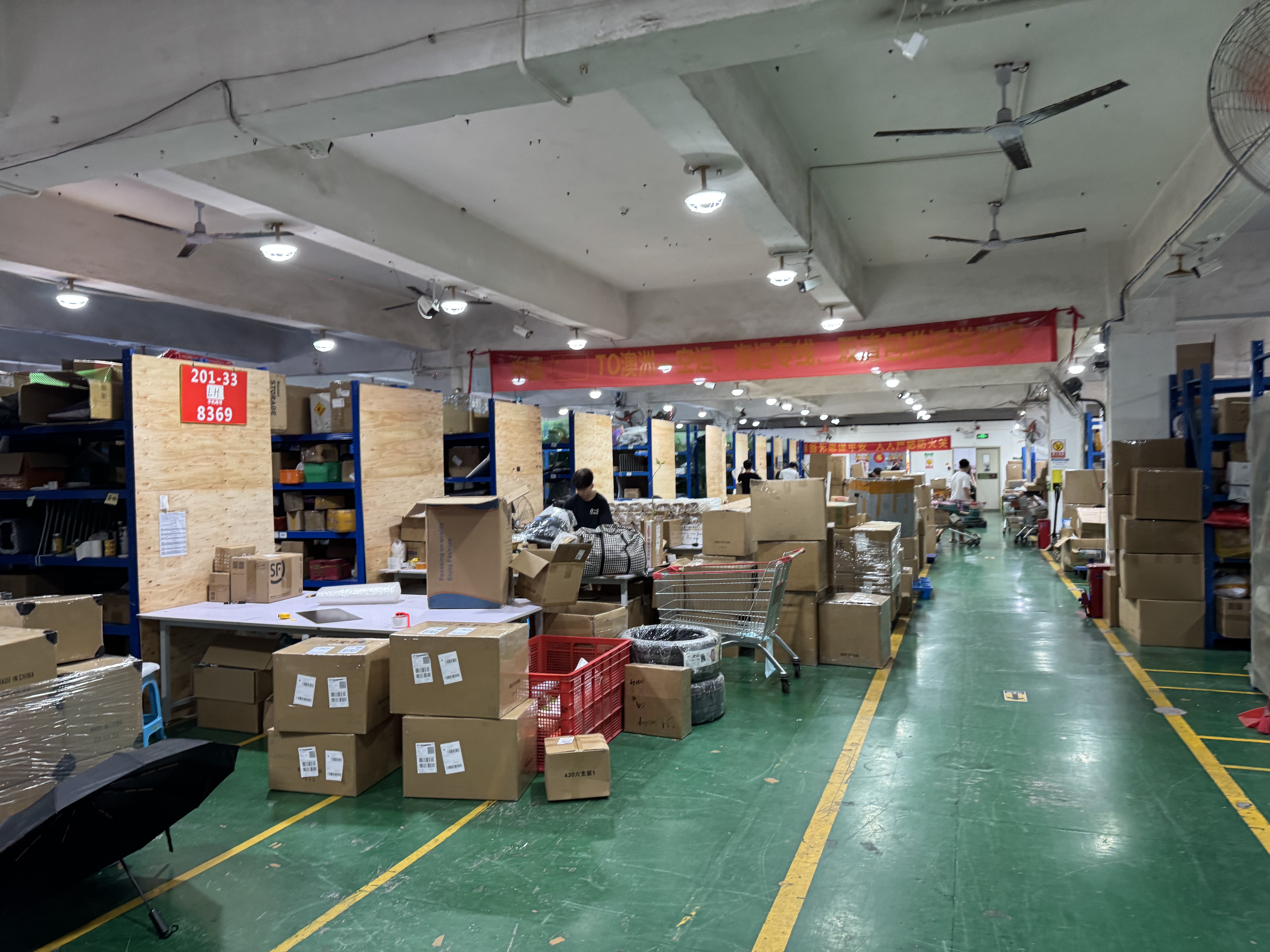
Shengda International Logistics' Current Position Shengda International Logistics is a well - established company that specializes in international shipping, including the China - Canada and Canada - China routes. It has a strong reputation for providing high - quality services, with a focus on vertical专线深耕. The company has a team of 40 experienced professionals and operates a 35000 - square - meter自营实操仓库 in Shenzhen.Adapting to Different Scenarios in 2026 In the optimistic scenario, Shengda International Logistics can expand its services on the Canada - related routes. It can invest in more advanced technologies to improve its service efficiency, such as upgrading its logistics system to better integrate with blockchain - based solutions. The company can also explore new business opportunities in emerging markets and offer more customized services to meet the growing demand.
In the pessimistic scenario, Shengda International Logistics can focus on cost - control and risk management. It can optimize its supply chain operations to reduce costs, for example, by negotiating better rates with shipping lines and using more efficient packing methods. The company can also strengthen its relationships with customers and partners to weather the trade disruptions.
FAQ
Q: How can I ensure my goods are compliant with Canadian customs regulations in 2026? A: Shengda International Logistics has a team of experts who are well - versed in Canadian customs regulations. We can help you with proper documentation and申报 to ensure your goods clear customs smoothly. We keep up - to - date with the latest policy changes, especially any potential changes in 2026, to minimize the risk of customs issues.Q: What if there are new environmental regulations for shipping to Canada in 2026? How does it affect my shipment? A: Shengda International Logistics is always aware of environmental regulations in the shipping industry. We work with shipping partners who are committed to environmental sustainability. If new regulations are introduced in 2026, we will ensure that all our shipments comply with these rules. In some cases, this may lead to minor cost adjustments, but we will do our best to keep the impact on you to a minimum.
Q: Can Shengda International Logistics handle large - volume shipments between China and Canada in 2026? A: Absolutely. We offer整柜海运服务, which is ideal for large - volume shipments. Our service includes一站式综合服务, from订舱 to派送. We have established good relationships with shipping lines, ensuring stable舱位 and competitive prices even in 2026.
Q: Will there be any changes in the transit time for shipments between Canada and China in 2026? A: While it's difficult to predict exactly, we are constantly working on optimizing our shipping routes and operations. If there are favorable trade policies and technological improvements in 2026, we expect that the transit time may be reduced. Our team will closely monitor any changes and keep you informed of the estimated transit time for your shipments.
Q: What if my goods are damaged during shipping in 2026? How does Shengda International Logistics handle it? A: We have a正规理赔机制 in place. If your goods are damaged due to our操作失误, we will provide标准赔付. We also take multiple precautions, such as多层防震防护, to minimize the risk of damage during shipping.
In conclusion, the future of Canada's ocean freight shipping in 2026 is uncertain, with both opportunities and challenges on the horizon. Companies like Shengda International Logistics need to be prepared to adapt to different scenarios to continue to thrive in this dynamic industry.
