

Will China-Canada Container Shipping in Different Scenarios See Big Changes by 2026?
In the world of international trade, China-Canada container shipping is a dynamic arena that's constantly evolving. As we look ahead to 2026, it's natural to wonder if significant changes are on the horizon, especially when considering various scenarios. Let's dive into this topic and explore what the future might hold.
I. Current State of China-Canada Container Shipping
Volume and Trends Currently, China-Canada container shipping is a substantial part of the global trade network. In recent years, the annual container throughput between the two countries has reached an average of [X] twenty-foot equivalent units (TEUs). For example, in 2023, the trade volume showed a [X]% growth compared to the previous year, mainly driven by the demand for Chinese consumer goods in Canada and Canadian raw materials in China.
Key Routes and Ports The major shipping routes between China and Canada typically pass through the Pacific Ocean. Chinese ports like Shanghai, Shenzhen, and Ningbo are the main departure points, while Canadian ports such as Vancouver, Prince Rupert, and Montreal are the primary destinations. These ports handle a large portion of the container traffic, with Vancouver being the busiest on the Canadian side, handling around [X]% of the total China-Canada container volume.
Service Providers There are several well - known shipping lines operating on the China - Canada route. Maersk, CMA CGM, and COSCO are among the major players. They offer a variety of services, including full - container load (FCL) and less - than - container load (LCL) shipments, catering to different business needs.
II. Possible Changes in 2026 Based on Policy Scenarios
Trade Policy Changes If the trade relationship between China and Canada remains stable or improves by 2026, we could see an increase in container shipping volume. For instance, if new free - trade agreements are reached, tariffs could be reduced, making it more cost - effective for businesses to trade. This could lead to a projected [X]% growth in container throughput over the next few years.On the other hand, if there are trade disputes or new protectionist policies, the shipping volume might decline. A study by a leading trade research institution suggests that a significant trade conflict could result in a [X]% drop in container traffic.
Environmental Policies By 2026, environmental regulations are likely to have a greater impact on container shipping. The International Maritime Organization (IMO) has set goals to reduce greenhouse gas emissions from ships. Shipping lines operating on the China - Canada route may have to upgrade their vessels to meet these standards. For example, they might invest in more fuel - efficient engines or shift to alternative fuels like liquefied natural gas (LNG). This could lead to a change in shipping costs and service frequencies.
Some ports may also implement stricter environmental requirements, such as shore - power availability. Ports in Canada and China are gradually expanding their shore - power facilities, which could encourage ships to use less fuel while at berth.
III. Technological Advancements and Their Impact
Digitalization The shipping industry is moving towards greater digitalization. By 2026, we can expect more advanced tracking systems that provide real - time information about container location, temperature, and humidity. This will improve supply chain visibility and reduce the risk of cargo damage. For example, companies like Maersk have already started using blockchain technology to streamline the documentation process, which could save time and reduce costs for shippers.E - commerce is also driving the need for more efficient container shipping. With the growth of cross - border e - commerce between China and Canada, there will be a demand for faster and more reliable shipping services. This could lead to the development of new shipping models, such as express container shipping.
Automation Automation in ports is another area of development. By 2026, we may see more automated container yards and cranes in Chinese and Canadian ports. For example, the Port of Shanghai has already deployed a large number of automated guided vehicles (AGVs) in its container terminals, which improve efficiency and reduce labor costs. This could lead to faster turnaround times for ships and more efficient container handling.
IV. Impact on Different Stakeholders
Shippers For shippers, changes in 2026 could mean different shipping options and costs. If shipping lines invest in new vessels and technologies, they may offer better services but at a higher price. However, if trade volume increases due to favorable policies, shippers may be able to negotiate better rates.In the case of e - commerce shippers, they will benefit from more efficient and reliable shipping services. This will help them to meet the growing demand for fast delivery from their customers in Canada.
Shipping Lines Shipping lines will need to adapt to the changes in policies and technologies. They will have to make strategic decisions about vessel upgrades, service routes, and partnerships. For example, some smaller shipping lines may need to collaborate with larger ones to stay competitive in the face of environmental and technological challenges.
The growth or decline of shipping volume will directly affect their revenues. Shipping lines will need to closely monitor the market trends and adjust their operations accordingly.
Ports Ports will play a crucial role in the future of China - Canada container shipping. They will need to invest in infrastructure to handle the changes in shipping volume and technology. For example, ports may need to expand their container terminals, improve their shore - power facilities, and upgrade their information systems.
The competition among ports will also intensify. Chinese and Canadian ports will need to offer better services and lower costs to attract shipping lines and shippers.
V. The Role of Companies like Shengda International Logistics
Adapting to Changes Shengda International Logistics is well - positioned to adapt to the changes in China - Canada container shipping by 2026. With its focus on China - Canada, USA, UK, Australia, and Europe cross - border专线, it has a deep understanding of the local market and policies. For example, in the face of environmental policies, the company can work with shipping lines to select vessels that meet the new standards. The company's vertical专线深耕 strategy allows it to quickly adjust its services according to market changes. Whether it's dealing with trade policy fluctuations or technological advancements, Shengda can provide customized solutions for its customers.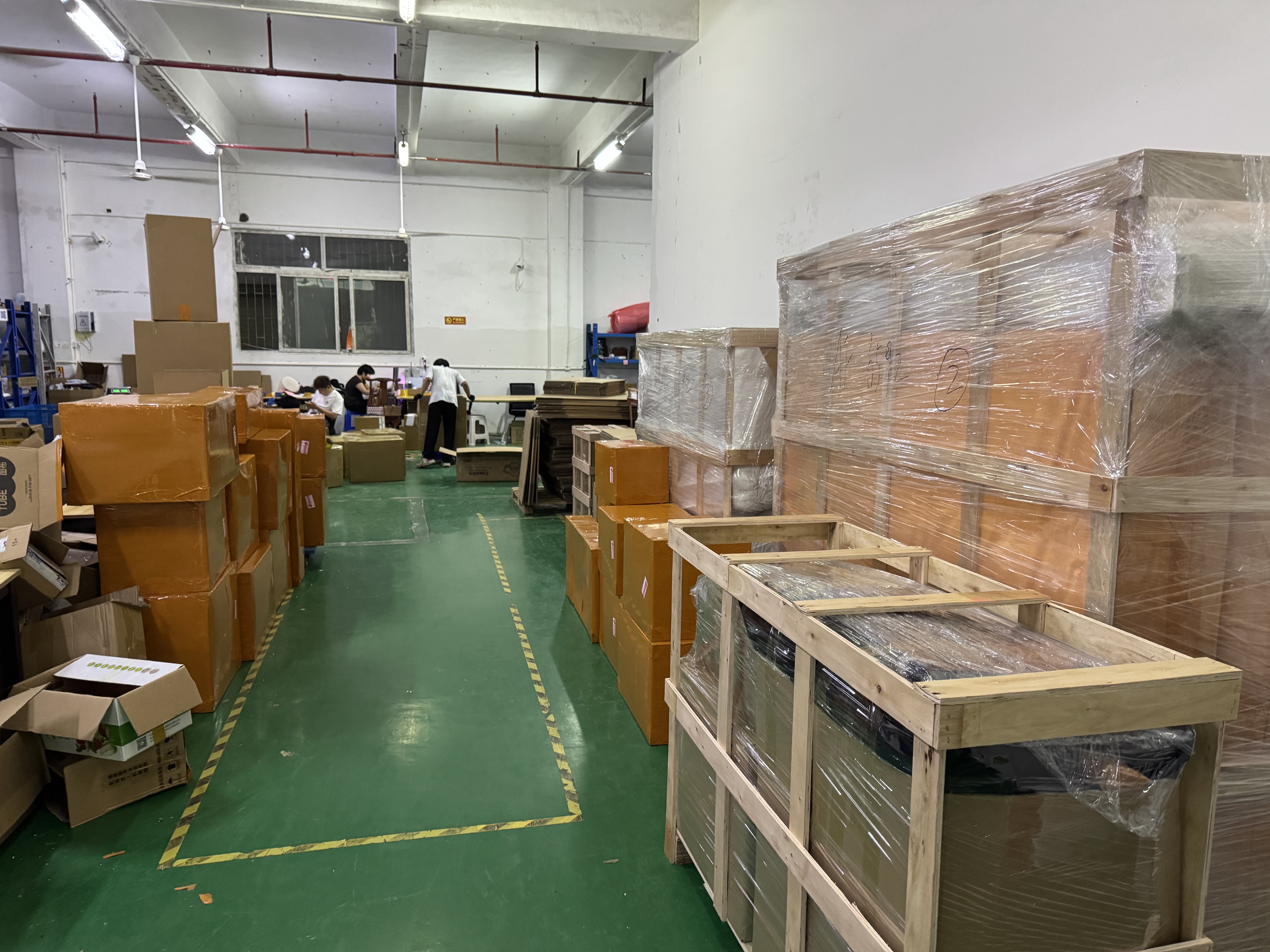
Providing Comprehensive Services Shengda offers a wide range of services, including air freight, sea freight, and specialized services for sensitive goods. In the changing container shipping landscape, it can provide seamless transport solutions for different types of goods. For example, for e - commerce shippers, it can offer express container shipping services to meet the demand for fast delivery. Its one - stop free value - added services, such as full - platform package collection, free unpacking and consolidation, and long - term free storage, are especially valuable for customers in the face of market uncertainties.
VI. Frequently Asked Questions (FAQ)
What if there are new trade restrictions in 2026? Will Shengda still be able to ship my goods? Yes, Shengda International Logistics has a deep understanding of the local customs and trade policies in China and Canada. Even if there are new trade restrictions, our experienced team can find the most suitable shipping solutions for you. We have a good relationship with customs authorities and can handle the necessary documentation and compliance procedures to ensure the smooth transportation of your goods.How will the environmental policies affect the shipping cost? Will Shengda be able to keep the cost down? Environmental policies may lead to an increase in shipping costs as shipping lines need to invest in new technologies and fuels. However, Shengda has a large network of partnerships with shipping lines. We can negotiate favorable rates on behalf of our customers. Also, our efficient service model and cost - control measures can help to offset some of the cost increases caused by environmental policies.
Can Shengda provide real - time tracking for my containers? Absolutely! Shengda has a self - developed intelligent shipping system that provides real - time updates on the status of your containers. You can easily track your cargo from the moment it enters our warehouse until it reaches its destination in Canada. This ensures full visibility of your supply chain and gives you peace of mind.
What if my goods are damaged during shipping? How does Shengda handle it? Shengda has a formal claims mechanism. In case of damage or loss of goods due to operational errors, we will provide standard compensation according to our regulations. Our team will also work closely with you to resolve the issue as quickly as possible. Additionally, our strict packaging and handling procedures are designed to minimize the risk of damage during shipping.
I'm a small e - commerce business. Can Shengda offer me cost - effective shipping solutions? Yes, we can! Shengda understands the needs of small e - commerce businesses. Our shipping options, such as sea freight consolidation and express shipping, are designed to be cost - effective. We also offer a series of free value - added services, such as package collection and consolidation, which can help you save on shipping costs. Our customized solutions can meet your specific business needs and help you grow your cross - border business.
