

The ocean freight forwarding industry in Canada has always been a vital part of the country's international trade. As we look ahead to 2026, various scenarios can significantly impact its performance. Let's explore how this industry might fare under different circumstances.
I. The Impact of Global Economic Trends
Economic Boom Scenario
In a global economic boom scenario, demand for Canadian exports such as natural resources (like oil, minerals, and lumber) and agricultural products is likely to soar. For example, if emerging economies in Asia continue their high - growth trajectories, they will need more of Canada's raw materials. In 2022, Canada exported over $50 billion worth of mineral products. With an economic boom, this figure could increase by 20% to 30% by 2026.Ocean freight forwarders will benefit from the increased volume of goods to be shipped. They'll likely experience more business from both large - scale exporters and small - to - medium enterprises looking to expand their international reach. However, they may also face challenges in terms of capacity. Ports may become congested, and shipping lines may increase their rates due to high demand.
For instance, if the Canadian oil industry ramps up production in response to global demand, ocean freight forwarders will need to manage the transportation of large volumes of crude oil. This will require them to have good relationships with shipping lines and vessels equipped for oil transportation.
Economic Recession Scenario
A global economic recession would have a negative impact on the Canadian ocean freight forwarding industry. Demand for Canadian exports would decrease as consumers and businesses around the world cut back on spending. In a previous recession in 2008 - 2009, Canadian exports dropped by around 25%.Forwarders would see a decline in the volume of shipments, leading to lower revenues. They may also face intense competition as other forwarders try to secure the limited business available. This could result in price wars, squeezing profit margins.
In this scenario, forwarders would need to focus on cost - cutting measures, such as optimizing their shipping routes and reducing administrative expenses. They may also need to explore new markets or services to diversify their revenue streams.
II. Technological Advancements
Automation and Digitalization
By 2026, the use of automation and digitalization in the ocean freight forwarding industry will likely be more widespread. For example, self - driving trucks can be used to transport goods from the port to inland destinations. This can reduce labor costs and improve the efficiency of the transportation process.Digital platforms can also streamline the booking and documentation process. Forwarders like Maersk have already started using blockchain technology to improve the transparency and security of their transactions. In the Canadian context, if more forwarders adopt similar technologies, it can reduce paperwork, minimize errors, and speed up the overall shipping process.
However, the implementation of these technologies requires significant investment. Smaller forwarders may find it difficult to afford such investments, which could lead to a consolidation in the industry as larger players become more dominant.
Environmental Technologies
With increasing global concerns about climate change, the ocean freight industry is under pressure to reduce its carbon footprint. In 2026, we can expect to see more shipping vessels using alternative fuels such as liquefied natural gas (LNG) or even hydrogen.Canadian ocean freight forwarders will need to adapt to these changes. They may need to prioritize shipping lines that are using more environmentally friendly technologies. Some customers, especially in the European and North American markets, are already demanding more sustainable shipping options.
For example, if a Canadian exporter of forest products wants to ship to a European market that has strict environmental regulations, the forwarder will need to ensure that the shipping vessel used meets the environmental standards. This could involve additional costs and administrative efforts, but it also presents an opportunity for forwarders to differentiate themselves in the market.
III. Policy and Regulatory Changes
2026 China - Canada and Canada - China Transport Route Policies In 2026, the China - Canada and Canada - China transport route policies can have a major impact on the Canadian ocean freight forwarding industry. If there are more favorable trade policies between the two countries, such as reduced tariffs or simplified customs procedures, it can increase the volume of trade.China is one of Canada's largest trading partners. In 2022, the total trade volume between the two countries was over $100 billion. With improved trade policies, this volume could increase significantly by 2026.
Ocean freight forwarders will be at the forefront of facilitating this trade. They will need to understand and adapt to the new policies to ensure smooth transportation of goods. For example, if there are new regulations regarding the inspection of certain goods, forwarders need to ensure that their clients are aware of and comply with these regulations.
Domestic and International Regulations Canada may introduce new domestic regulations to improve the safety and efficiency of its ocean freight industry. This could include measures to improve port security or to regulate the emissions of shipping vessels in Canadian waters.
Internationally, the International Maritime Organization (IMO) may implement new global standards for the shipping industry. Canadian forwarders will need to keep up with these changes and ensure that they are in compliance. Failure to do so can result in fines and disruptions to their business.
IV. Industry Competition
Competition from Global Giants Global logistics companies like DHL, UPS, and FedEx have a significant presence in the international freight forwarding market. In 2026, they may increase their focus on the Canadian market, especially in the ocean freight segment.These global giants have large - scale operations, advanced technologies, and extensive networks. They may offer more comprehensive services and competitive pricing, posing a threat to smaller Canadian forwarders.
For example, if DHL starts offering more competitive ocean freight rates for Canadian exports to Asia, it may draw business away from local forwarders. Smaller forwarders may need to find a niche market or offer specialized services to compete.
Competition among Canadian Forwarders There is also intense competition among Canadian ocean freight forwarders. To stand out in the market, forwarders need to offer high - quality services, such as accurate tracking of shipments, efficient customs clearance, and good customer support.
Some forwarders may try to differentiate themselves by offering value - added services. For instance, a forwarder could offer insurance services for shipped goods at a competitive rate. This can attract more customers and help the forwarder gain a larger market share.
FAQ
Q: How can a small Canadian ocean freight forwarder compete with global giants in 2026?
A: As someone with years of experience in the industry, I'd say small forwarders can focus on niche markets. For example, they can specialize in shipping certain types of goods like high - value art or perishable food items. Also, providing personalized customer service can be a big plus. At [盛达国际物流], we understand the importance of catering to the unique needs of our clients. Our team has the expertise to handle specialized shipments and offer a high level of service that large companies may struggle to match.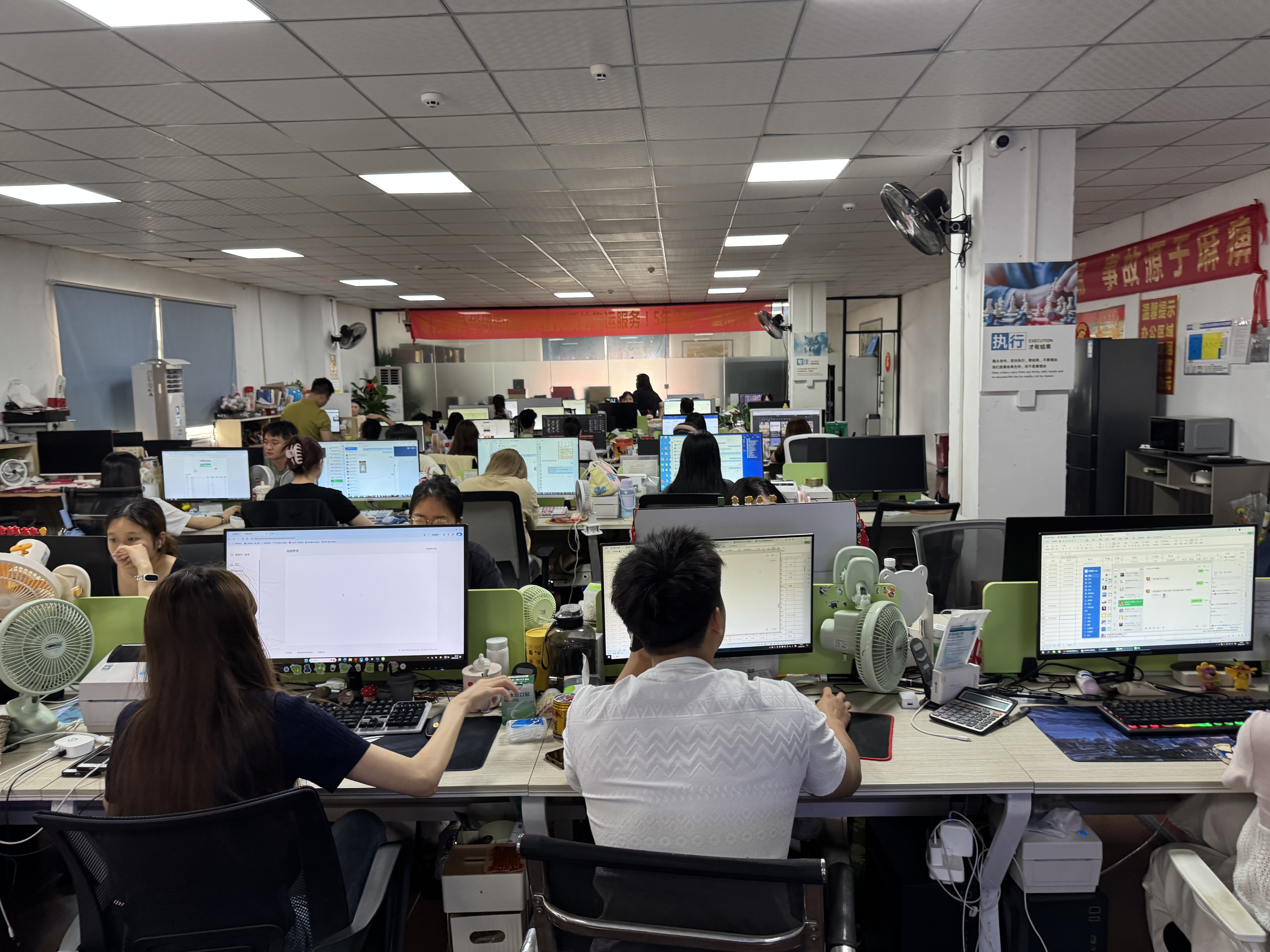
Q: What should Canadian forwarders do to adapt to environmental regulations in 2026?
A: Well, forwarders need to stay informed about the latest environmental regulations. They should prioritize shipping lines that are using more sustainable technologies, like vessels powered by LNG. At [盛达国际物流], we are already looking into partnering with more eco - friendly shipping providers. This not only helps us comply with regulations but also meets the growing demand from customers for more sustainable shipping options.Q: How can forwarders deal with the potential capacity issues during an economic boom?
A: In my experience, having strong relationships with shipping lines is crucial. Forwarders should try to secure long - term contracts with shipping lines to ensure a certain level of capacity. They can also explore alternative ports or shipping routes if the main ports become congested. At [盛达国际物流], our long - standing relationships with shipping lines give us an edge in managing capacity during peak demand periods.Q: What impact will the 2026 China - Canada transport route policies have on small forwarders?
A: The new policies can bring both opportunities and challenges. If the policies lead to increased trade volume, small forwarders can benefit from the growing business. However, they also need to quickly adapt to any new regulations. At [盛达国际物流], we have a team dedicated to keeping track of trade policies. We can guide our clients through the changes and ensure smooth shipping operations between China and Canada, even for small - scale forwarders who may not have the same resources for policy research.Q: Is it worth investing in new technologies for small ocean freight forwarders in 2026?
A: Absolutely. Although it requires an initial investment, new technologies like digital platforms and automation can greatly improve efficiency and competitiveness in the long run. At [盛达国际物流], we've invested in our own logistic system, which allows for real - time tracking and seamless communication. Small forwarders can start with small - scale technology adoption, like using mobile apps for document management, to gradually reap the benefits.