

In 2026, when sending parcels to Australia, what are the differences among personal, corporate, and e - commerce scenarios?
In 2026, the landscape of sending parcels to Australia presents distinct characteristics across personal, corporate, and e - commerce scenarios. Let's delve into these differences to understand how each situation operates.
I. Policy Environment
Personal Scenario: In 2026, personal shipments from China to Australia still enjoy certain duty - free allowances. For example, small - scale personal gifts or items for personal use within a reasonable quantity are often exempt from duties. However, if the value exceeds AUD 1000, duties and taxes may apply. The Australian government also encourages the use of electronic declarations for personal parcels, which simplifies the customs clearance process.When sending from Australia to China, personal items within a reasonable quantity and value are also subject to China's duty - free regulations. Usually, items worth less than RMB 5000 are duty - free for inbound personal use.
Corporate Scenario: For corporate shipments, both China and Australia have more stringent regulations. In 2026, the China - Australia Free Trade Agreement continues to have an impact on corporate import and export. Many goods can enjoy preferential tariff rates under the agreement, but companies need to provide detailed certificates of origin and comply with strict customs declaration procedures.
Australian companies sending to China need to ensure compliance with China's import regulations, including product standards and safety requirements. Chinese companies sending to Australia must also meet Australia's quarantine and customs requirements, such as proper labeling of products.
E - commerce Scenario: E - commerce has seen a boom in cross - border trade. In 2026, the Australian government has introduced special policies for e - commerce imports. For low - value e - commerce goods (usually less than AUD 1000), a simplified customs clearance process has been established. However, e - commerce platforms are required to collect and remit the Goods and Services Tax (GST) on behalf of sellers.
On the Chinese side, e - commerce companies need to register with relevant authorities and follow strict data reporting requirements. They also need to ensure the authenticity and accuracy of product information during customs clearance.
II. Shipping Volume and Frequency
Personal Scenario: The shipping volume of personal parcels is generally small. An individual might send a few items of clothing, some local snacks, or small gifts to friends or family in Australia. The frequency of sending parcels is also relatively low, usually a few times a year. For example, a person may send a parcel during festivals or special occasions.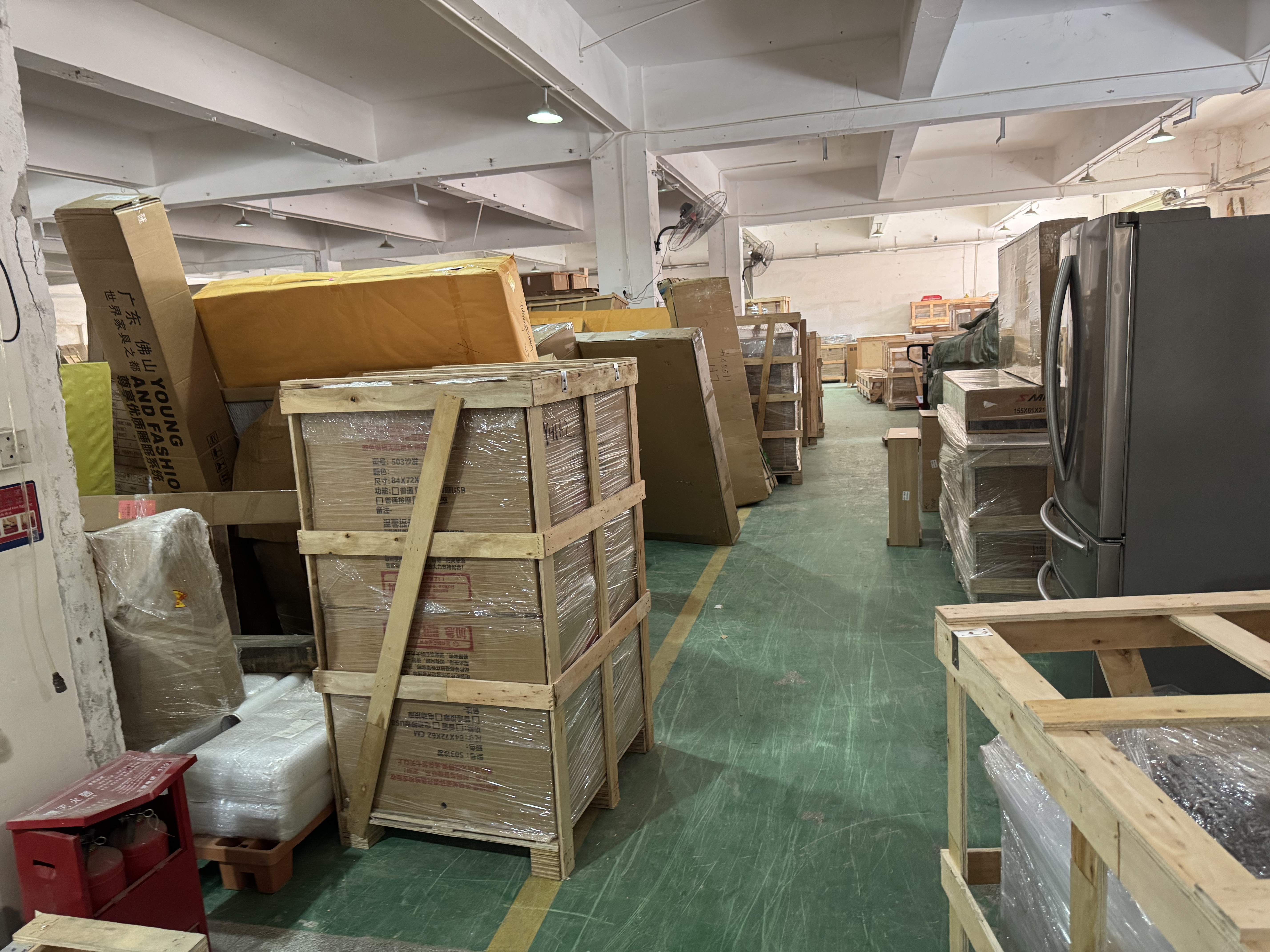
When it comes to receiving parcels from Australia, the volume and frequency also depend on personal needs. Some people may order Australian health products or unique handicrafts occasionally.
Corporate Scenario: Companies often have larger shipping volumes and higher frequencies. A manufacturing company in China may regularly export products such as electronics or machinery to Australia. The volume could be in large quantities, such as dozens or hundreds of containers per month.
Australian companies may import raw materials or components from China on a regular basis. For example, an Australian furniture company may source wood and hardware from China every few weeks to keep up with production demands.
E - commerce Scenario: E - commerce shipments can vary in volume and frequency. Small - scale e - commerce sellers may send a few parcels per day, while large - scale e - commerce platforms can send thousands or even tens of thousands of parcels daily. The frequency is high, especially during peak shopping seasons like Black Friday or Chinese Singles' Day.
III. Shipping Costs and Pricing Models
Personal Scenario: Personal shipping costs are usually calculated based on the weight and size of the parcel. For example, sending a small parcel of a few kilograms from China to Australia by air may cost around AUD 50 - 100, depending on the distance and shipping method.Some personal shippers may choose more economical options like sea freight for non - urgent items. However, sea freight has a longer transit time, usually taking 3 - 6 weeks.
Corporate Scenario: Companies often negotiate shipping contracts with logistics providers. The shipping cost is often based on volume, long - term cooperation, and shipping frequency. For large - volume shipments, companies can get more favorable rates. For example, a company that ships 100 containers per month may get a 20% discount compared to a one - time shipper.
The pricing model may also include additional services such as customs clearance, insurance, and warehousing.
E - commerce Scenario: E - commerce shipping costs are more complex. Platforms often offer different shipping options to customers, such as express delivery (usually within 3 - 7 days) and economy shipping (10 - 20 days). The cost may be subsidized by the seller to attract customers or passed on to the customer directly.
Some e - commerce platforms have their own shipping partnerships to get better rates. For example, a large e - commerce platform may negotiate with a logistics company to offer free shipping for orders over a certain amount.
IV. Packaging and Documentation Requirements
Personal Scenario: Personal parcels usually require simple packaging. For example, a T - shirt can be wrapped in a plastic bag and then placed in a small cardboard box. However, it is important to ensure that fragile items are well - protected with bubble wrap or foam.The documentation is relatively simple. A personal sender only needs to fill out a customs declaration form, stating the contents, value, and quantity of the items in the parcel.
Corporate Scenario: Corporate shipments demand more professional packaging. For example, electronic products need anti - static packaging, and heavy machinery needs special crates for protection.
The documentation is extensive. Companies need to provide commercial invoices, packing lists, certificates of origin, and other relevant documents. These documents are crucial for customs clearance and compliance with regulations.
E - commerce Scenario: E - commerce packaging needs to be not only protective but also aesthetically pleasing. Many e - commerce sellers use customized packaging with their brand logos.
Documentation requirements for e - commerce are also specific. In addition to the basic customs declaration, e - commerce platforms need to provide detailed information about the product, such as product descriptions, images, and customer reviews for customs inspection purposes.
V. Customer Service and After - sales Support
Personal Scenario: Personal senders usually need basic customer service, such as tracking the status of their parcels. They may also need assistance if there are any issues with customs clearance or delivery delays.After - sales support for personal parcels mainly focuses on resolving problems like lost or damaged items. For example, if a personal parcel is lost in transit, the sender can claim compensation from the shipping company.
Corporate Scenario: Corporate customers require more comprehensive customer service. They need real - time updates on the shipping status of their large - volume shipments. Logistics providers need to offer dedicated account managers to handle their specific needs.
After - sales support for corporate clients includes handling large - scale returns, resolving disputes over shipping costs, and providing solutions for supply chain disruptions.
E - commerce Scenario: E - commerce customers expect fast and efficient customer service. They need to be able to track their orders easily through the e - commerce platform. In case of returns or exchanges, the process should be seamless and user - friendly.
After - sales support for e - commerce also involves handling customer complaints about product quality and ensuring timely refunds or replacements.
FAQ
Q: I'm an individual sending a parcel to Australia in 2026. How can I ensure my parcel clears customs smoothly? A: As an individual, make sure to accurately declare the contents, value, and quantity of your parcel on the customs declaration form. Avoid sending prohibited items. If you choose a reliable logistics provider like [Shengda International Logistics], they can provide guidance on customs regulations and help you handle the declaration process properly. Their experienced team understands the Australia - China policies well and can assist you in minimizing customs risks.Q: Our company is planning to export goods to Australia in 2026. What are the main challenges in terms of shipping and customs? A: Shipping large - volume corporate goods involves challenges such as getting favorable shipping rates, ensuring proper packaging, and meeting complex customs documentation requirements. [Shengda International Logistics] can help your company. They have long - term partnerships with shipping carriers to negotiate good rates. Their team is well - versed in preparing all the necessary documents according to the 2026 China - Australia trade policies, which helps in smooth customs clearance.
Q: As an e - commerce seller, how can I reduce shipping costs for my Australian customers in 2026? A: You can work with a logistics partner like [Shengda International Logistics]. They have established relationships with multiple shipping providers and can offer you cost - effective shipping solutions. They can also help you understand the e - commerce - specific policies in 2026, such as the GST collection and remittance process, to avoid any unnecessary costs.
Q: What if my personal parcel is lost or damaged during transit to Australia in 2026? A: If you use [Shengda International Logistics], they have a standardized damage and loss compensation mechanism. They will first help you track the parcel and determine the cause of the problem. If it is due to their negligence, they will provide compensation according to the agreed - upon terms, ensuring that you are not at a loss.
Q: Our company needs to import raw materials from Australia in 2026. How can we ensure the quality and safety of the goods during shipping? A: [Shengda International Logistics] can play an important role here. They can ensure proper packaging for your raw materials to prevent damage during transit. They also work closely with customs and quarantine authorities to ensure that the goods meet all the necessary safety and quality standards in China. Their full - process tracking system allows you to monitor the status of your goods at all times.
