

How Will 2026 Change the Scenarios of Shipping E-commerce Purchases to Canada?
In the dynamic world of e - commerce and international logistics, the year 2026 is expected to bring a wave of changes to the scenarios of shipping e - commerce purchases to Canada. As a seasoned logistics professional, I've witnessed the industry's evolution, and I'm excited to delve into what 2026 might hold.
I. Policy Changes in the China - Canada and Canada - China Shipping Routes
Tariff Adjustments: In 2026, there could be significant tariff adjustments between China and Canada. For instance, if the two countries reach new trade agreements, certain e - commerce products might see a reduction in import tariffs. Let's say consumer electronics, which currently account for a large portion of cross - border e - commerce shipments. A decrease in tariffs could lead to a 15 - 20% increase in the volume of these products shipped from China to Canada.Customs Clearance Rules: The customs clearance procedures are likely to become more streamlined. In recent years, technological advancements like blockchain have been introduced in some ports. By 2026, it's possible that China and Canada will widely adopt such technologies to enhance the accuracy and speed of customs declarations. This could reduce the average customs clearance time from the current 3 - 5 days to just 1 - 2 days for most e - commerce parcels.
II. Technological Innovations in Shipping
AI - Driven Supply Chain Management: With the development of artificial intelligence, shipping companies will be able to optimize their supply chains more effectively. AI algorithms can predict demand for different e - commerce products in Canada based on historical data, seasonality, and market trends. For example, if a particular type of winter clothing is expected to be popular in Canada during a certain season, shipping companies can pre - arrange container space and shipping schedules, ensuring timely delivery.Autonomous Vehicles in Last - Mile Delivery: In Canada, last - mile delivery is a crucial part of the e - commerce shipping process. By 2026, we may see a significant increase in the use of autonomous vehicles, such as drones and self - driving trucks, for this purpose. A study suggests that using drones for small - parcel delivery can reduce delivery costs by up to 40% and shorten the delivery time from days to just hours for some local deliveries.
III. Impact on Consumers
Faster Delivery Times: The combination of policy improvements and technological advancements will lead to faster delivery times for Canadian consumers. Currently, it takes around 7 - 14 days for e - commerce purchases from China to reach Canada. However, by 2026, this time could be reduced to as little as 3 - 7 days for most standard shipments. This will significantly improve the shopping experience for consumers, especially those who are used to the quick delivery of domestic e - commerce platforms.More Product Choices: As shipping becomes more efficient and cost - effective, Chinese e - commerce sellers will be more willing to expand their market to Canada. This means that Canadian consumers will have access to a wider range of products, from unique handicrafts to high - tech gadgets. For example, niche products like traditional Chinese herbal beauty products, which were previously difficult to obtain in Canada, may become more readily available.
IV. Challenges for E - commerce Sellers
Increased Competition: The easier access to the Canadian market will attract more Chinese e - commerce sellers. This will lead to increased competition, especially in popular product categories such as clothing and electronics. Sellers will need to focus on product quality, brand building, and customer service to stand out. For example, a small - scale e - commerce clothing seller may find it difficult to compete with larger brands that can offer better prices and faster delivery.Compliance with Canadian Regulations: Canadian regulations regarding e - commerce products, such as safety standards and labeling requirements, are likely to become more stringent in 2026. Sellers will need to ensure that their products meet these regulations to avoid fines and product recalls. For example, electronic products must comply with specific Canadian electrical safety standards.
V. The Role of Logistics Providers like Shengda International Logistics
Adapting to Policy Changes: Shengda International Logistics, with its in - depth understanding of cross - border logistics policies, will be well - positioned to help e - commerce sellers navigate the new policy environment in 2026. For example, our team of experts can assist sellers in understanding and complying with the new tariff regulations and customs clearance procedures between China and Canada.Leveraging Technological Innovations: We are constantly investing in new technologies to improve our service. By 2026, our AI - driven logistics management system will be able to provide more accurate shipping schedules and cost estimates for e - commerce sellers. Our use of advanced tracking technology will also allow customers to monitor the status of their shipments in real - time.
VI. FAQs
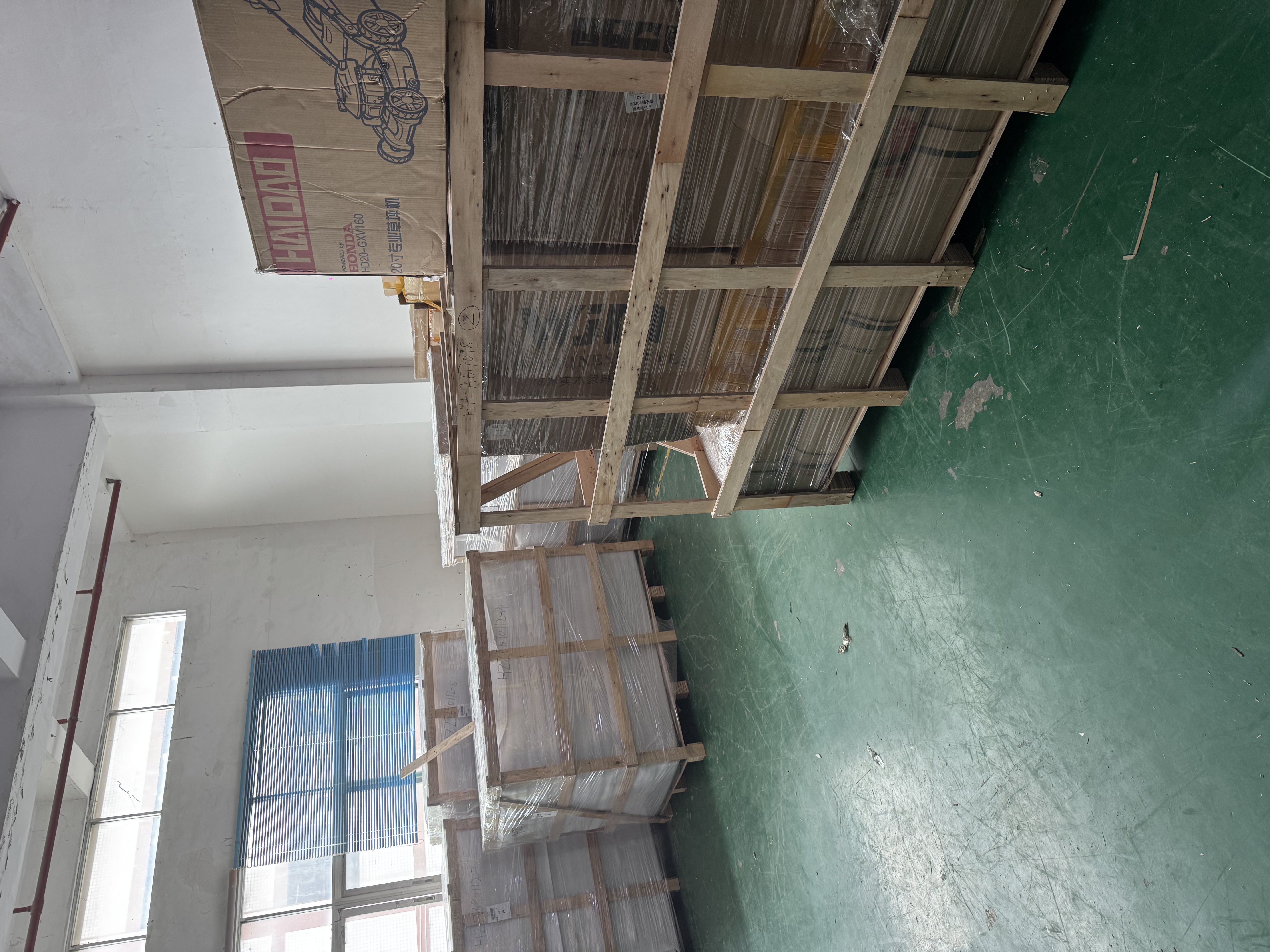
How can Shengda International Logistics help sellers deal with the new tariff regulations in 2026? We have a team of professionals who are well - versed in cross - border trade policies. They will closely monitor the tariff changes and help sellers adjust their pricing strategies. For example, if there is a tariff reduction for a certain product category, we can suggest to sellers how to optimize their profit margins while remaining competitive in the Canadian market.Will Shengda International Logistics be able to handle the increased volume of e - commerce shipments in 2026? Absolutely. Our 35000 - square - meter standardized自营实操仓库 and self - developed logistics system are designed to handle large - scale shipments. We also have a long - term strategic partnership with shipping carriers, which ensures that we have sufficient shipping space and delivery capacity even during peak seasons.
How does Shengda International Logistics ensure that e - commerce products comply with Canadian regulations? We have a comprehensive compliance system in place. Our team will conduct in - depth research on Canadian regulations for different product categories. Before shipping, we will assist sellers in checking their products to ensure they meet all the necessary safety, labeling, and other requirements. For example, for food products, we will ensure that they comply with Canadian food safety and import regulations.
Can Shengda International Logistics offer competitive shipping rates in 2026? Yes. Our in - house cost - control system and direct negotiation with shipping carriers allow us to get competitive shipping rates. We also offer a transparent pricing model, with no hidden fees. For e - commerce sellers, this means they can accurately calculate their shipping costs and plan their budgets accordingly.
What if there are delays in shipping due to unforeseen circumstances in 2026? We have a reliable contingency plan. In case of unforeseen circumstances such as bad weather or port congestion, our customer service team will keep sellers and customers informed in real - time. We will also work with shipping carriers to find alternative solutions to minimize the delay. If the delay is caused by our operation error, we have a formal compensation mechanism in place.
In conclusion, 2026 is set to bring about significant changes to the shipping scenarios of e - commerce purchases to Canada. While there are challenges ahead, logistics providers like Shengda International Logistics are ready to help e - commerce sellers and consumers make the most of these changes.
