

Introduction
With the continuous development of bilateral trade between China and Canada, the China-Canada consolidated shipping industry is at a crossroads of various factors. Will it thrive or face challenges? Let's explore how it will evolve in different scenarios by 2026.
I. Policy Scenario
Current Policy Landscape As of now, both China and Canada have certain regulations on cross - border trade and shipping. For example, customs clearance policies require proper documentation and compliance with quarantine regulations. In the past few years, the custom inspection rate for goods from China to Canada has been around 15 - 20%.However, there are ongoing negotiations to simplify certain procedures, aiming to reduce this rate to 10 - 15% by 2026.
Example: A small Canadian retailer importing Chinese handicrafts used to face long waiting times due to strict customs inspections. With the potential policy changes, the retailer hopes to receive goods more quickly, thus increasing customer satisfaction.
Impact on Shipping Companies For shipping companies like Shengda International Logistics, favorable policies mean less hassle in customs clearance. It can reduce the time from port arrival to delivery from the current average of 5 - 7 days to 3 - 5 days in 2026.
On the other hand, if policies become stricter, shipping companies may need to invest more in ensuring compliance, which could increase costs. For instance, if additional environmental regulations are imposed on shipping vessels, companies might have to retrofit their ships, which can be a significant expense.
FAQ: How can Shengda International Logistics handle policy changes? As a veteran in the industry, Shengda International Logistics has a professional team that keeps a close eye on policy updates. Our team of experts with over 10 years of experience in customs compliance will adjust our procedures accordingly. We have a deep understanding of the Chinese and Canadian customs regulations, which allows us to ensure smooth shipping operations even when policies change.
II. Economic Scenario
Trade Volume Projections The trade volume between China and Canada has been on the rise, and it is expected to increase by 20 - 30% by 2026. This growth is driven by various sectors such as technology, agriculture, and consumer goods.In the technology sector, Chinese electronics companies are expanding their market in Canada, while Canadian agricultural products like wheat and canola are in high demand in China.
| Table: Projected Trade Volume Increase by Sector (2023 - 2026) | Sector | Projected Increase (%) |
|---|---|---|
| Technology | 30 - 35 | |
| Agriculture | 20 - 25 | |
| Consumer Goods | 15 - 20 |
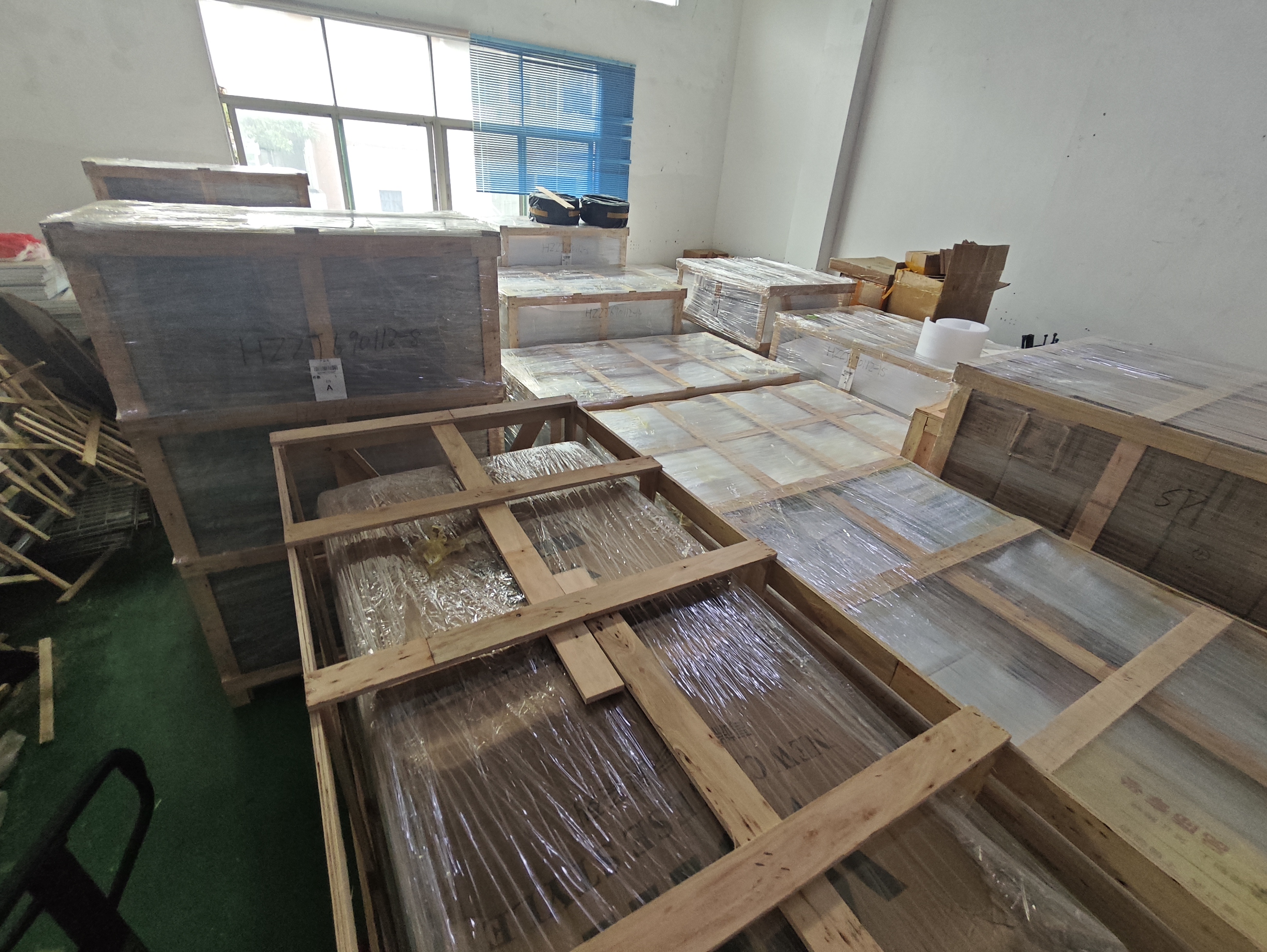
Effect on Consolidated Shipping The increase in trade volume will directly lead to an increase in the demand for consolidated shipping services. More goods need to be transported efficiently, which is a great opportunity for shipping companies.
For example, Shengda International Logistics can expect an increase in the number of shipments by 25 - 35% in 2026. This growth will also require the company to expand its fleet and improve its warehousing facilities.
On the contrary, if there is an economic downturn in either country, the trade volume may decline, and shipping companies will face challenges such as over - capacity and price competition.
FAQ: What if the trade volume decreases? At Shengda International Logistics, we are prepared for various economic scenarios. In case of a decline in trade volume, we have a flexible business model. We can optimize our routes and adjust our shipping frequencies. Also, our diverse service offerings, such as different types of shipping (air, sea) and handling of various types of goods (sensitive, non - sensitive), can help us maintain a certain level of business even in a tough economic environment.
III. Technological Scenario
Digitalization in Shipping The shipping industry is rapidly moving towards digitalization. By 2026, most shipping companies are expected to use digital platforms for booking, tracking, and communication. For example, Shengda International Logistics already has a self - developed intelligent collection and shipping system.This system allows customers to track their shipments in real - time, from the moment the goods are received in the warehouse to the final delivery. Currently, about 70% of our customers use this system, and we expect this number to reach 90% by 2026.
Automation in Warehousing and Loading Warehousing and loading operations are also becoming more automated. Automated storage and retrieval systems can improve the efficiency of warehousing, reducing the time it takes to store and retrieve goods.
For instance, in Shengda's 35,000 - square - meter self - operated warehouse, the implementation of automation can increase the cargo handling speed by 30 - 40%. This not only saves time but also reduces the risk of human - error in handling goods.
FAQ: How does digitalization and automation benefit customers? Digitalization and automation at Shengda International Logistics bring multiple benefits to customers. With real - time tracking, customers always know where their goods are. This transparency reduces anxiety and allows for better planning. Automation in warehousing and loading means faster processing times, so customers can receive their goods more quickly. Also, it reduces the chances of goods being damaged during handling, ensuring better quality of service.
IV. Environmental Scenario
Emission Regulations In response to global environmental concerns, both China and Canada are likely to introduce stricter emission regulations for shipping vessels by 2026. These regulations may require ships to use cleaner fuels or install emission - reducing devices.For example, the International Maritime Organization (IMO) has set targets for reducing greenhouse gas emissions from shipping, and both countries are expected to follow suit.
Impact on Shipping Companies Shipping companies will need to invest in more environmentally friendly technologies. This can be a significant cost, but it also presents an opportunity for innovation.
Shengda International Logistics is already exploring the use of alternative fuels and energy - efficient technologies. For example, we are considering using bio - fuels for some of our smaller vessels, which can reduce emissions by up to 20 - 30%.
If shipping companies fail to meet the environmental regulations, they may face fines or restrictions on their operations.
FAQ: How does Shengda International Logistics deal with environmental regulations? Shengda International Logistics is committed to environmental protection. We have a long - term plan to gradually adopt more environmentally friendly technologies. Our R & D team is constantly researching and developing new solutions to meet the future environmental requirements. By investing in cleaner fuels and energy - efficient equipment, we not only comply with regulations but also contribute to a more sustainable shipping industry.
V. Competition Scenario
Current Market Players The China - Canada consolidated shipping market has several major players. Besides Shengda International Logistics, there are also well - known international shipping lines and some local Canadian shipping companies.International shipping lines may have a larger global network, while local Canadian companies may have better knowledge of the local market.
Differentiation Strategies Shengda International Logistics differentiates itself through its vertical - line specialization. We focus on the China - Canada route, so we have a deeper understanding of the local policies, customs, and customer needs.
Our all - inclusive pricing model also makes us more attractive to customers. We clearly list all the costs, including freight, customs fees, taxes, and delivery fees, without any hidden charges. This is different from some competitors who may have complex and unclear pricing structures.
FAQ: How does Shengda International Logistics compete with larger international shipping lines? While larger international shipping lines may have a broader global reach, Shengda International Logistics focuses on the China - Canada route. Our in - depth knowledge of this specific route allows us to provide more personalized and efficient services. Our all - inclusive pricing model gives customers a clear picture of the costs, which is an advantage over some competitors. Also, our local customer service team can quickly respond to customer inquiries, providing a better customer experience.
