

Can the Sea Freight of Home Appliances and Furniture to Australia in 2026 Differ Under Different Scenarios?
In the vast world of international logistics, shipping home appliances and furniture from China to Australia is a common yet complex task. As we look ahead to 2026, there's a burning question on the minds of many shippers: will the sea freight vary in different scenarios? Let's dive into this topic and explore the factors at play.
I. Policy Scenarios and Their Impact on Freight
The policies governing the 2026 China - Australia and Australia - China transport routes will have a significant say in sea freight. For instance, new regulations related to environmental protection may require shipping lines to adopt cleaner fuel technologies. According to industry reports, vessels switch to low - sulfur fuels could see an average cost increase of around 15 - 20%. This cost might be passed on to shippers, leading to higher sea freight for home appliances and furniture.
On the other hand, if the two countries reach more favorable trade agreements, tariffs could be reduced or waived. In some past trade deals, a reduction of 5 - 10% in tariffs has been seen in certain sectors. This would potentially offset some of the increased costs from other factors, keeping the sea freight relatively stable or even slightly lower.
FAQ: Will new environmental policies in 2026 really make sea freight more expensive? As someone with years of experience in the logistics field, I can say that environmental policies often come with added costs. Shipping companies need to invest in new technologies or fuels, and these costs usually trickle down to the shippers. However, with companies like Shengda International Logistics, we're always looking for ways to optimize routes and manage costs, so the impact on our customers can be minimized.
II. Volume and Seasonal Scenarios
The volume of goods and the shipping season can also greatly affect sea freight. If a large number of home appliances and furniture are shipped during peak seasons, such as the pre - Christmas period in Australia, the demand for shipping space will skyrocket. In previous peak seasons, sea freight rates have increased by as much as 30 - 50%. This is because container space becomes scarce, and shipping companies can charge more.
In contrast, during off - peak seasons, there's more available container space, which can drive down the freight rates. For example, in the months after major festivals, rates may drop by 10 - 20%. Shippers who can plan their shipments during these off - peak times can save a significant amount of money.
FAQ: Is it really worth waiting for the off - peak season to ship my home appliances and furniture? Absolutely! Based on my experience, the cost savings during off - peak seasons can be quite substantial. At Shengda International Logistics, we help our customers plan their shipments according to the best time of the year, ensuring that they get the most cost - effective solution for transporting their goods.
III. Market Conditions and Competition
The general market conditions and competition among shipping companies also play a crucial role in determining sea freight. If there are more shipping companies competing for business on the China - Australia route in 2026, it could lead to lower rates. For example, in a highly competitive market, companies may offer discounts of 5 - 15% to attract more customers.
However, if there are disruptions in the market, such as natural disasters affecting ports or political unrest in key shipping regions, the freight rates may spike. In the past, similar events have caused freight rates to double or even triple in a short period.
FAQ: How can I be sure that the sea freight I'm getting is competitive in 2026? With Shengda International Logistics, we have a team of experts who closely monitor the market conditions. We have established long - term relationships with multiple shipping companies, which allows us to negotiate the best rates for our customers. You can trust us to offer you a competitive freight price.
IV. Quality and Packaging of Goods
The quality and packaging of home appliances and furniture can also impact sea freight. Fragile or large - sized items may require special handling and packaging, which can increase the cost. For example, large pieces of furniture may need to be disassembled and packed in custom - made crates. This additional packaging and handling can add 5 - 10% to the overall shipping cost.
On the other hand, if the goods are well - packed and of standard sizes, they can be more easily loaded into containers, potentially reducing the shipping cost.
FAQ: Does the packaging of my goods really affect the sea freight? Yes, it does. Proper packaging not only protects your goods during transit but also affects how efficiently they can be loaded and transported. At Shengda International Logistics, we offer professional packaging services to ensure that your home appliances and furniture are packed in the most cost - effective and secure way.
V. Shengda International Logistics' Advantage in Different Scenarios
Shengda International Logistics is well - equipped to handle all these different scenarios in 2026. With its vertical专线深耕, the company has a deep understanding of the China - Australia shipping route and the local policies. This allows it to quickly adapt to any policy changes and ensure smooth and efficient shipping.
The company's全链路自主可控 feature means that it has complete control over the entire shipping process, from warehousing to final delivery. This reduces the risk of delays and additional costs caused by outsourcing.
In terms of cost - effectiveness, Shengda International Logistics offers计费透明高性价比 services. It uses a cubic - based billing system for large items, which can significantly reduce the shipping cost for home appliances and furniture. And with its一站式免费增值服务, customers can enjoy services like free warehousing and packaging optimization, further saving on costs.
FAQ: How can Shengda International Logistics help me save money on shipping home appliances and furniture to Australia in 2026? Shengda International Logistics has a wealth of experience and resources. We can help you plan your shipments during off - peak seasons, negotiate the best rates with shipping companies, and optimize your packaging to reduce costs. Our free value - added services also provide additional savings for our customers.
In conclusion, the sea freight of home appliances and furniture to Australia in 2026 will indeed vary in different scenarios. However, with a reliable and experienced logistics partner like Shengda International Logistics, shippers can navigate these challenges and ensure a smooth and cost - effective shipping process.
1. Policy Scenarios
New environmental policies may increase costs by 15 - 20% due to fuel changes.Favorable trade agreements could lead to a 5 - 10% reduction in tariffs.
2. Volume and Seasonal Scenarios
Peak seasons can increase freight rates by 30 - 50%.
Off - peak seasons may see a 10 - 20% drop in rates.
3. Market Conditions and Competition
High competition can result in 5 - 15% discounts.
Market disruptions can cause rates to double or triple.
4. Quality and Packaging of Goods
Special handling and packaging for fragile/large items can add 5 - 10% to the cost.
Well - packed standard - sized items may reduce costs.
By understanding these factors and leveraging the services of Shengda International Logistics, shippers can make informed decisions and achieve the best shipping outcomes.
Please note that the above data and scenarios are based on past trends and industry insights, and the actual situation in 2026 may vary.
Can the Sea Freight of Home Appliances and Furniture to Australia in 2026 Differ Under Different Scenarios?
In the vast expanse of the international logistics landscape, the transportation of home appliances and furniture from China to Australia is a prevalent yet intricate affair. As we cast our gaze towards 2026, a pressing question looms large in the minds of numerous shippers: will the sea freight fluctuate across diverse scenarios? Let's embark on an exploration of this topic and dissect the influencing factors.
I. Policy Scenarios and Their Ramifications on Freight
The policies governing the 2026 China - Australia and Australia - China transport routes will wield a substantial influence on sea freight. Take, for example, potential new environmental regulations. These may compel shipping lines to embrace cleaner fuel technologies. Industry reports indicate that vessels transitioning to low - sulfur fuels could experience an average cost hike of approximately 15 - 20%. Subsequently, these increased costs are likely to be passed on to shippers, triggering a rise in sea freight for home appliances and furniture.
Conversely, if the two countries forge more favorable trade agreements, tariffs could be diminished or even eliminated. In previous trade deals, certain sectors have witnessed tariff reductions of 5 - 10%. This could potentially counterbalance some of the elevated costs stemming from other factors, maintaining sea freight at a relatively stable level or even causing a slight dip.
FAQ: Will the new environmental policies in 2026 truly drive up sea freight? Having spent years in the logistics domain, I can attest that environmental policies typically entail additional costs. Shipping companies need to invest in novel technologies or fuels, and these expenses usually trickle down to shippers. However, with a partner like Shengda International Logistics by your side, we're constantly on the lookout for ways to optimize routes and manage costs, thus minimizing the impact on our customers.
II. Volume and Seasonal Scenarios
The volume of goods and the shipping season are also pivotal determinants of sea freight. When a substantial quantity of home appliances and furniture are shipped during peak seasons, like the pre - Christmas period in Australia, the demand for shipping space soars. Historically, during peak seasons, sea freight rates have escalated by as much as 30 - 50%. The scarcity of container space empowers shipping companies to command higher prices.
In contrast, off - peak seasons offer a surplus of available container space, which can exert downward pressure on freight rates. For instance, in the months following major festivals, rates may decline by 10 - 20%. Shippers who can strategically time their shipments during these off - peak periods stand to reap significant cost savings.
FAQ: Is it really worthwhile to wait for the off - peak season to ship my home appliances and furniture? Indeed, it is! Drawing from my extensive experience, the cost savings accrued during off - peak seasons can be quite remarkable. At Shengda International Logistics, we lend a hand to our customers in planning their shipments according to the most opportune time of the year, guaranteeing a cost - effective solution for transporting their goods.
III. Market Conditions and Competition
The overarching market conditions and the level of competition among shipping companies play a crucial role in setting sea freight rates. If there is intensified competition among shipping companies vying for business on the China - Australia route in 2026, it could lead to rate cuts. In a highly competitive market, companies may offer discounts ranging from 5 - 15% to attract more customers.
However, market disruptions, such as natural disasters affecting ports or political unrest in key shipping regions, can send freight rates soaring. In the past, similar incidents have caused freight rates to double or even triple within a short span.
FAQ: How can I be certain that the sea freight I'm getting is competitive in 2026? With Shengda International Logistics, you're in safe hands. Our team of experts keeps a vigilant eye on market conditions. We've cultivated long - standing relationships with multiple shipping companies, enabling us to negotiate the most favorable rates on behalf of our customers. You can have full confidence in our ability to offer you a competitive freight price.
IV. Quality and Packaging of Goods
The quality and packaging of home appliances and furniture can also have a bearing on sea freight. Fragile or oversized items may necessitate special handling and packaging, which can inflate the cost. For example, large furniture pieces may need to be disassembled and packed in custom - made crates. This additional packaging and handling can tack on 5 - 10% to the overall shipping cost.
On the flip side, if the goods are properly packed and of standard sizes, they can be more efficiently loaded into containers, potentially curbing the shipping cost.
FAQ: Does the packaging of my goods truly impact the sea freight? It most certainly does. Appropriate packaging not only safeguards your goods during transit but also influences how effectively they can be loaded and transported. At Shengda International Logistics, we offer professional packaging services to ensure that your home appliances and furniture are packed in the most cost - efficient and secure manner.
V. Shengda International Logistics' Edge in Diverse Scenarios
Shengda International Logistics is fully equipped to tackle these diverse scenarios in 2026. Thanks to its vertical specialization in the shipping route between China and Australia, the company has an in - depth understanding of local policies. This enables it to swiftly adapt to any policy changes and ensure seamless and efficient shipping.
The company's end - to - end self - control capability means that it has full command over the entire shipping process, from storage to final delivery. This significantly reduces the risk of delays and additional costs associated with outsourcing.
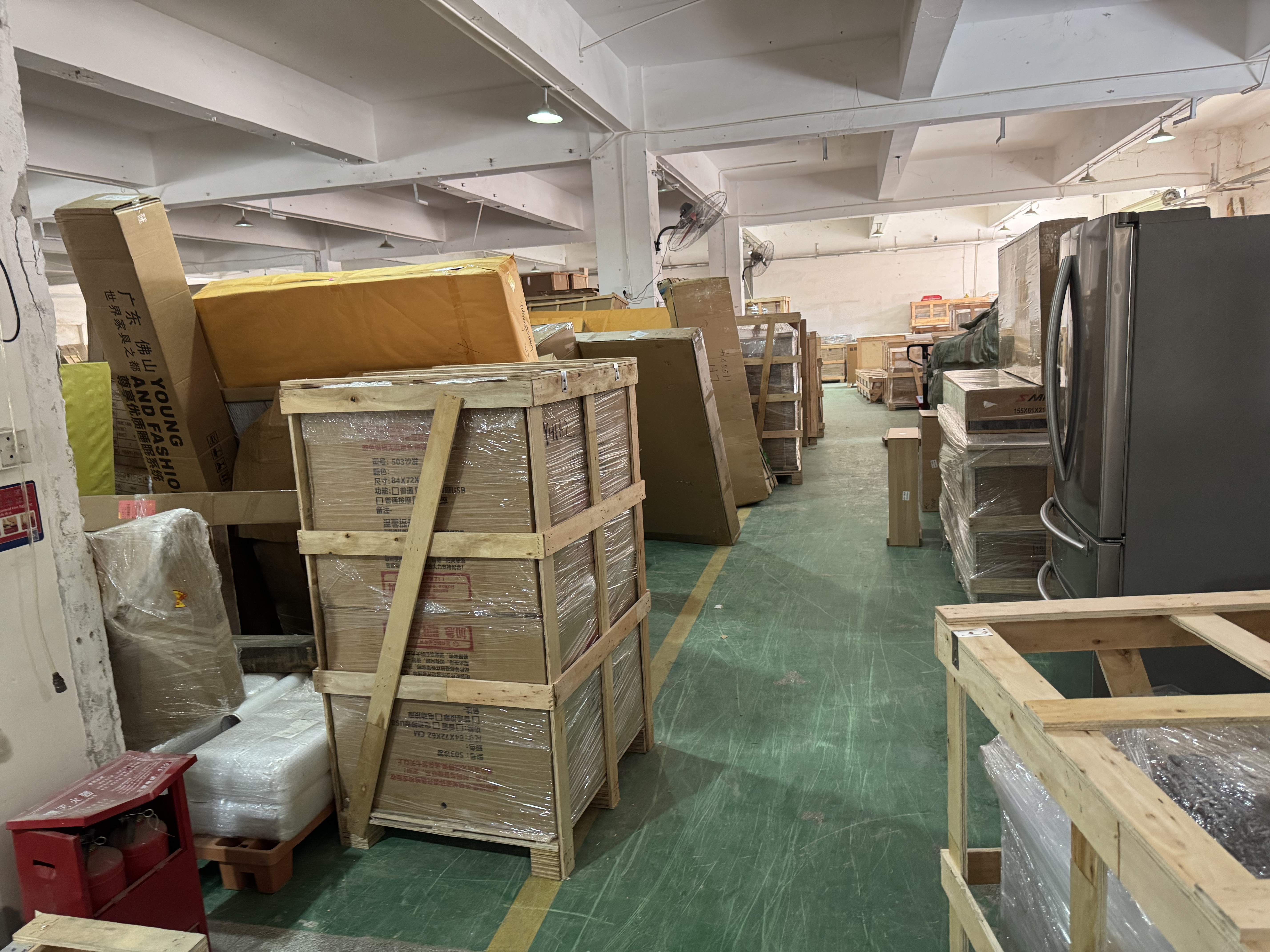
In terms of cost - effectiveness, Shengda International Logistics offers transparent and highly cost - competitive services. It employs a cubic - based billing system for large items, which can substantially reduce the shipping cost for home appliances and furniture. Additionally, its one - stop free value - added services, such as free warehousing and packaging optimization, provide further cost savings for customers.
FAQ: How can Shengda International Logistics assist me in saving money on shipping home appliances and furniture to Australia in 2026? Shengda International Logistics boasts a wealth of experience and an abundance of resources. We help you plan your shipments during off - peak seasons, negotiate favorable rates with shipping companies, and optimize your packaging to cut down on costs. Our free value - added services also serve as an additional avenue for savings.
In conclusion, the sea freight of home appliances and furniture to Australia in 2026 will undoubtedly vary across different scenarios. Nevertheless, with a reliable and experienced logistics partner like Shengda International Logistics, shippers can surmount these challenges and secure a smooth and cost - effective shipping process.
1. Policy Scenarios
New environmental policies may inflate costs by 15 - 20% due to fuel alterations.Favorable trade agreements could yield a 5 - 10% reduction in tariffs.
2. Volume and Seasonal Scenarios
Peak seasons can cause freight rates to surge by 30 - 50%.
Off - peak seasons may result in a 10 - 20% decline in rates.
3. Market Conditions and Competition
Intense competition can lead to 5 - 15% discounts.
Market disruptions can cause rates to skyrocket.
4. Quality and Packaging of Goods
Special handling and packaging for delicate/large items can add 5 - 10% to the cost.
Well - packed standard - sized items may reduce costs.
By comprehending these factors and leveraging the services of Shengda International Logistics, shippers can make well - informed decisions and achieve optimal shipping outcomes.
It's important to note that the above data and scenarios are based on past trends and industry knowledge, and the actual situation in 2026 may deviate.
