

Immigrating to Canada is an exciting new chapter, and transporting your personal belongings is a significant part of the process. One burning question on many immigrants' minds is whether they can get tax exemptions for shipping these items in 2026. Let's dig into this topic and break it down by different scenarios.
I. General Rules for Tax - Exempt Personal Belongings
1. Approved Duration
In 2026, immigrants to Canada can claim tax exemptions for personal belongings that have been in their possession and used outside of Canada for at least six months prior to their arrival. These items are considered "used personal effects." For example, if you've been using your couch in your home country for over six months before moving to Canada, it can potentially be tax - exempt.
2. Eligible Items
Items such as clothing, household goods, furniture, and appliances are typically eligible. As an example, let's say you're bringing over your old dining table and chairs, which you've owned and used for years. These would likely fall under the tax - exempt category. However, it's important to note that items for business use or for resale are not eligible.
II. Scenarios for Tax Exemption
1. Moving All at Once
If you're shipping all your personal belongings in one go, right before your immigration to Canada, you have a good chance of getting a full tax exemption as long as the items meet the "six - month rule." For instance, a family of four decides to pack up all their household items, including beds, wardrobes, and kitchen utensils, and ship them in a single container. As long as they can prove the items have been in use for the required time, they'll likely enjoy a tax - free shipment.
2. Shipping in Multiple Batches
Sometimes, immigrants may not be able to ship all their belongings at once. In 2026, you can still claim tax exemptions for subsequent shipments, provided that the items were already in your possession and use before your arrival in Canada. For example, you might ship your main furniture first and then send over some smaller items like books and decorative pieces later. As long as these items also meet the six - month criteria, they can be tax - exempt.
3. Newly Purchased Items
New items purchased shortly before your move can be a bit tricky. In 2026, if you can prove that these items are for personal use and not for business or resale, you may be able to get a partial tax exemption. For example, you bought a new winter coat because you know Canada has cold winters. If you can show that it's for your personal use, you might not have to pay full tax on it.
III. Documentation Requirements
1. Proof of Ownership and Use
To claim tax exemptions, you'll need to provide proof that you've owned and used the items for at least six months. This can be in the form of receipts, photos, or even utility bills showing your address in your home country. For example, if you're shipping a laptop, a receipt from a year ago can serve as proof of ownership.
2. Inventory List
You must also provide a detailed inventory list of all the items you're shipping. This list should include descriptions, quantities, and approximate values of each item. For instance, if you're shipping a collection of books, the list should state how many books there are and their estimated value.
IV. Role of Shipping Companies
1. Customs Clearance Assistance
Shipping companies like Shengda International Logistics play a crucial role in helping immigrants navigate the tax - exemption process. They have in - depth knowledge of the Canadian customs regulations in 2026. For example, they can help you fill out the necessary customs forms correctly, ensuring that you provide all the required information for tax - exempt claims.
2. Documentation Support
Shengda International Logistics can also assist in gathering and organizing the required documentation. They can guide you on what kind of proof of ownership and use is acceptable, and help you create a proper inventory list. This support can save you a lot of time and hassle during the shipping process.
V. 2026 China - Canada and Canada - China Shipping Routes Policies
1. China - Canada Shipping
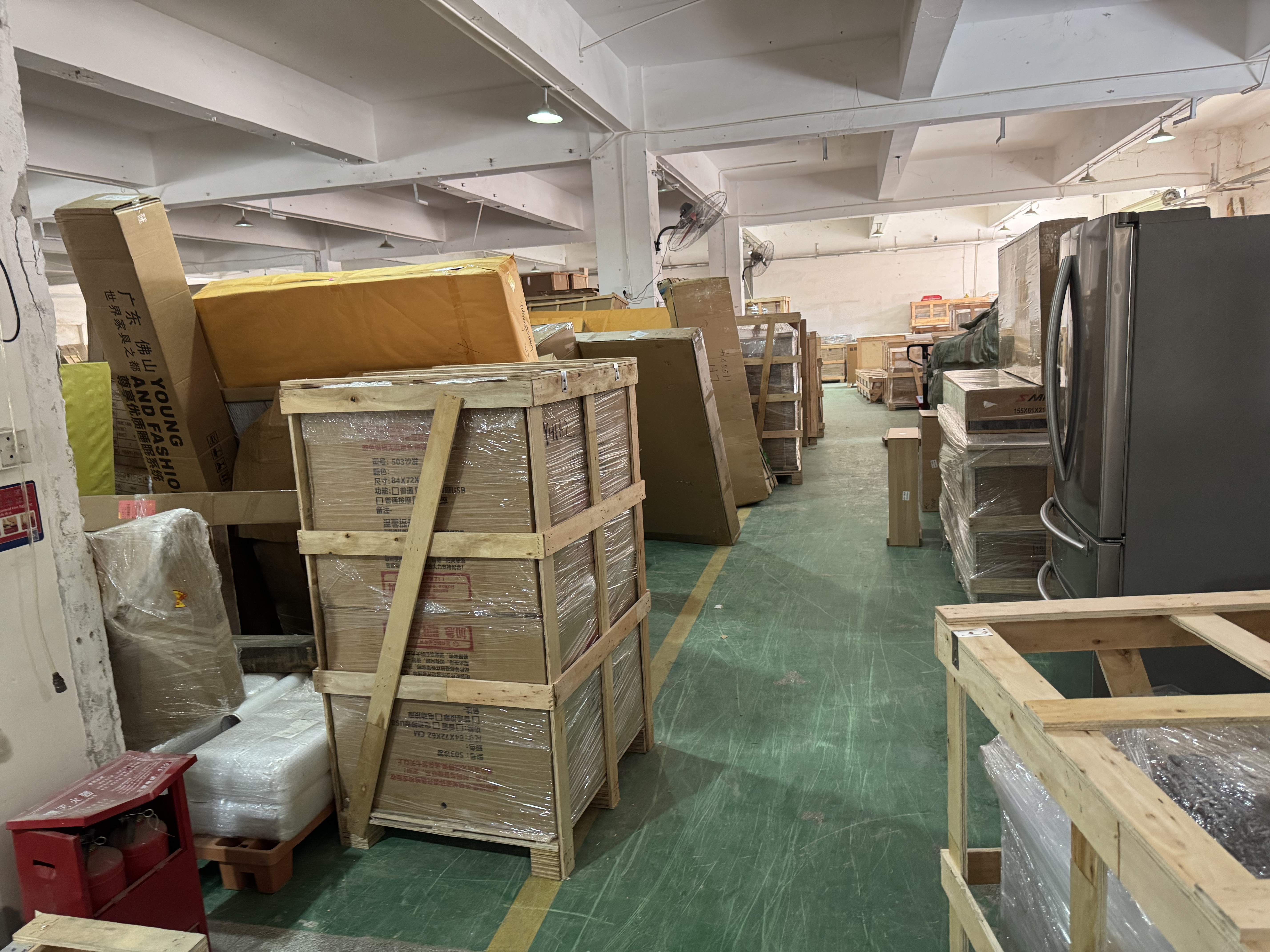
In 2026, the China - Canada shipping route policies are designed to facilitate trade and immigration. For immigrants shipping personal belongings from China to Canada, there are streamlined customs procedures for tax - exempt items that meet the criteria. The government has also increased cooperation between Chinese and Canadian customs to speed up the clearance process.
2. Canada - China Shipping
On the other hand, for those shipping items from Canada to China, the policies focus on ensuring compliance with Chinese regulations. Shengda International Logistics is well - versed in these policies and can help you understand the requirements for tax - free or taxed shipments when returning items to China.
FAQ
Q1: Can I get a tax exemption if I'm shipping my car to Canada as an immigrant in 2026?
A: It depends. If you've owned and used the car outside of Canada for at least six months before your arrival, you may be eligible for a tax exemption. Shengda International Logistics has experience in handling car shipments and can assist you in meeting the customs requirements.
Q2: What if I forget to include an item on my inventory list?
A: It's best to be as comprehensive as possible when creating the inventory list. If you forget an item, you may face some delays in customs clearance. Shengda International Logistics can help you rectify the situation by providing additional documentation and working with customs to get the item cleared.
Q3: Are there any restrictions on the value of tax - exempt personal belongings?
A: As of 2026, there is no strict limit on the value of tax - exempt personal belongings as long as they meet the ownership and use criteria. However, extremely high - value items may be subject to closer scrutiny by customs. Shengda International Logistics can help you prepare the necessary documentation to support the value of your items.
Q4: Can I claim tax exemption for items I bought on my way to Canada?
A: Generally, items purchased on your way to Canada are not eligible for tax exemption. The items must have been in your possession and use outside of Canada for at least six months. Shengda International Logistics can help you understand the exact regulations and avoid any misunderstandings.
Q5: How long does it take to get customs clearance for tax - exempt personal belongings?
A: The time for customs clearance can vary depending on the complexity of your shipment and the completeness of your documentation. With the help of Shengda International Logistics, which has a professional team and a good understanding of the customs process in 2026, you can expect a relatively smooth and timely clearance process.
