

When it comes to immigrants shipping furniture to Australia in 2026, the decision between Less - than - Container Load (LCL) and Full - Container Load (FCL) isn't straightforward. It's essential to understand how these two shipping methods operate and how they can impact your move.
I. Understanding LCL and FCL
1. LCL: Sharing Space for Cost - Efficiency
LCL is like a shared ride for your furniture. Instead of renting an entire container, your goods are grouped with other shippers' items in one container. This is a cost - effective option for immigrants with a relatively small amount of furniture. For example, if you're only moving a few pieces like a bed, a small dresser, and a couple of chairs, LCL can save you a significant amount of money.
2. FCL: Exclusive Container for Your Stuff
On the other hand, FCL means you get an entire container to yourself. It's ideal when you have a large quantity of furniture, like when you're moving an entire household's worth of items. For instance, if you're bringing a living - room set, a dining - room table and chairs, multiple bedrooms' furniture, and some appliances, FCL is likely the way to go.
II. Cost Analysis in 2026
1. LCL Cost Structure
Cost - wise, LCL is calculated based on the volume of your goods. As of recent industry data, for small shipments of up to 10 cubic meters, LCL can be up to 30% cheaper than FCL. In 2026, given the expected trend of general cost increases in the shipping industry, this price differential might narrow slightly, but LCL will still be appealing for those with limited furniture. However, it's important to note that LCL often comes with additional fees like consolidation and de - consolidation charges.
2. FCL Cost Structure
FCL is priced based on the container size you choose (20GP, 40GP, or 40HQ). While it may seem more expensive initially, if you have enough furniture to fill a container, it can be cost - effective in the long run. For example, if you can fill a 20 - foot container with your furniture, the cost per cubic meter will be lower compared to LCL for the same volume. In 2026, with potential changes in fuel prices and shipping regulations, the cost of FCL might fluctuate, but for large - scale shipments, it remains a competitive option.
III. Shipping Time and Reliability
1. LCL Shipping Time
LCL shipments generally take longer because they involve multiple stops for loading and unloading other shippers' goods. On average, it can add 5 - 10 days to the shipping time compared to FCL. In 2026, new shipping routes and improvements in port efficiency might reduce this gap, but it's still something to consider. There's also a slightly higher risk of delays due to waiting for the container to be fully filled before departure.
2. FCL Shipping Time
FCL offers more direct shipping and is usually faster. Since there are no other shippers' goods to worry about, the container can be loaded and shipped directly to Australia. This means you can expect your furniture to arrive at its destination in a more predictable time frame. In 2026, with the development of better shipping technologies and optimized routes, FCL shipping times might become even more reliable.
IV. Safety and Handling of Furniture
1. LCL Furniture Handling
In an LCL shipment, your furniture is handled more frequently. It's loaded, unloaded, and re - loaded multiple times during the consolidation and de - consolidation processes. This increases the risk of damage. However, a good logistics provider like [company name] can take extra precautions such as proper packing and labeling to minimize this risk.
2. FCL Furniture Handling
With FCL, your furniture is loaded once and unloaded once. There's less handling, which means a lower risk of damage. The container provides a more secure environment for your furniture during transit.
V. Customs Clearance in 2026
1. Australia - China Shipping Policy in 2026
In 2026, the Australia - China shipping policy is expected to have some changes in customs clearance procedures. For furniture, there will be stricter regulations on the origin of wood and the presence of pests. Both LCL and FCL shipments will need to comply with these regulations, but the process might be more complex for LCL due to the mixed nature of the container.
2. LCL Customs Clearance
LCL shipments require individual customs declarations for each shipper's goods. This can be time - consuming and may lead to more scrutiny from customs officials. In 2026, with the new policies, the clearance process for LCL might become even more challenging.
3. FCL Customs Clearance
FCL has a simpler customs clearance process. Since it's a single shipper's container, the documentation is more straightforward. This can save time and reduce the risk of customs - related issues.
VI. FAQ
1. Is LCL always cheaper than FCL for shipping furniture to Australia in 2026?
Not always. While LCL is generally cheaper for small - volume shipments, if you have enough furniture to fill a container, FCL can be more cost - effective. [company name] can help you calculate the exact costs for your specific situation.
2. How long does it take for furniture to reach Australia by LCL or FCL in 2026?
LCL usually takes 5 - 10 days longer than FCL. FCL can take around 20 - 30 days depending on the departure port and the shipping route, while LCL might take 25 - 40 days. [company name] has experience in optimizing shipping times and can keep you informed throughout the process.
3. What are the main risks of shipping furniture via LCL in 2026?
The main risks are longer shipping times, more handling which can lead to damage, and a more complex customs clearance process due to new Australia - China shipping policies. However, [company name] offers services like proper packing and professional customs clearance to mitigate these risks.
4. Does FCL guarantee that my furniture will arrive safely in 2026?
While FCL reduces the risk of damage due to less handling, it doesn't guarantee 100% safety. However, [company name] provides added protection such as wooden frame reinforcement and multi - layer shock - proof packaging for furniture shipped via FCL.
5. How can [company name] help me choose between LCL and FCL for my furniture shipment to Australia in 2026?
[company name] has a team of experienced professionals who can assess the volume of your furniture, your budget, and your time requirements. They will also keep up - to - date with the 2026 Australia - China shipping policies and provide you with the most suitable shipping option.
In conclusion, when immigrants are shipping furniture to Australia in 2026, they need to carefully weigh the pros and cons of LCL and FCL. Considering factors like cost, shipping time, furniture safety, and customs clearance, a logistics provider like [company name] can be a valuable partner to make the best decision for your move.
As an immigrant planning to ship furniture to Australia in 2026, the choice between Less - than - Container Load (LCL) and Full - Container Load (FCL) is a crucial one. These two shipping methods have their unique features, and understanding them can help you make the most suitable decision for your relocation.
I. The Basics of LCL and FCL
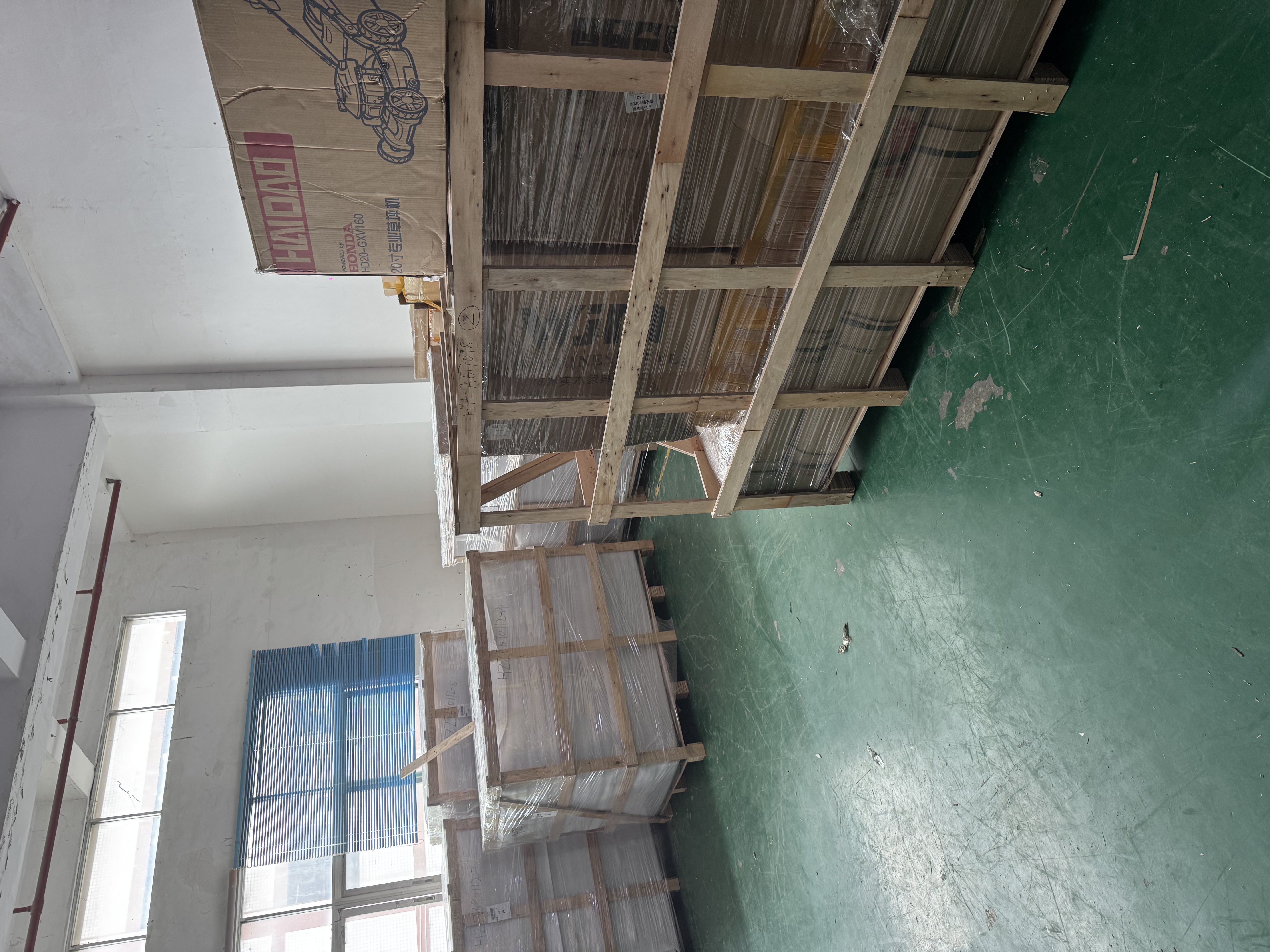
1. LCL: The Sharing Model
LCL is similar to a carpool for your furniture. Instead of renting an entire container, your items are grouped with those of other shippers in the same container. This is a great option if you only have a small amount of furniture to move. For example, if you're just shipping a single - bed frame, a small bookshelf, and a couple of boxes of personal items, LCL can be a budget - friendly choice.
2. FCL: The Exclusive Advantage
FCL, on the other hand, gives you the whole container to yourself. It's perfect when you have a large quantity of furniture, such as a complete set of living - room furniture, multiple bedrooms' worth of beds and wardrobes, and some large appliances. If your furniture can fill up a significant portion of a container, FCL might be the better option.
II. Cost Considerations in 2026
1. LCL Cost Breakdown
The cost of LCL is calculated based on the volume of your goods. Historically, for shipments less than 10 cubic meters, LCL has been up to 30% cheaper than FCL. In 2026, although there may be some cost increases in the shipping industry, LCL will still likely be more economical for small - scale shipments. However, be aware that LCL often comes with additional fees like consolidation and de - consolidation charges.
2. FCL Cost Analysis
FCL is priced according to the container size you select (20GP, 40GP, or 40HQ). While it may seem more expensive at first glance, if you have enough furniture to fully utilize a container, the cost per cubic meter can be lower than LCL. For example, if you can fill a 40 - foot container with your household furniture, you'll get a better deal in terms of cost - efficiency. In 2026, factors like fuel prices and new shipping regulations may affect FCL costs, but it remains a strong option for large - volume shipments.
III. Shipping Time and Predictability
1. LCL Shipping Duration
LCL shipments typically take longer because of the multiple stops involved in loading and unloading other shippers' goods. On average, it can add 5 - 10 days to the shipping time compared to FCL. In 2026, improvements in shipping routes and port operations may reduce this difference, but there's still a higher chance of delays as the container needs to be fully loaded before departure.
2. FCL Shipping Schedule
FCL offers a more direct shipping process, which usually means faster and more predictable arrival times. Since there are no other cargoes to coordinate, the container can be loaded and sent to Australia without waiting. With the development of advanced shipping technologies and better - optimized routes in 2026, FCL is likely to become even more reliable in terms of shipping time.
IV. Furniture Safety and Handling
1. LCL Furniture Protection
In an LCL shipment, your furniture is handled more frequently. It goes through multiple loading and unloading processes during the consolidation and de - consolidation phases. This increases the risk of damage. However, a reliable logistics provider like [company name] can take extra steps to protect your furniture, such as using high - quality packing materials and providing detailed labeling.
2. FCL Furniture Security
With FCL, your furniture is only loaded and unloaded once. This reduces the handling and, therefore, the risk of damage. The container provides a more stable and secure environment for your furniture during the journey.
V. Customs Clearance in the 2026 Landscape
1. The 2026 Australia - China Shipping Policy
In 2026, the Australia - China shipping policy is expected to introduce more stringent regulations for customs clearance, especially for furniture. There will be closer inspections of the wood's origin and the presence of pests. Both LCL and FCL shipments will need to comply with these new rules, but the process may be more complicated for LCL due to the mixed nature of the container.
2. LCL Customs Procedures
LCL shipments require individual customs declarations for each shipper's goods. This can be time - consuming and may attract more attention from customs officials. In 2026, with the new policies in place, the LCL customs clearance process could become even more complex.
3. FCL Customs Process
FCL has a relatively simpler customs clearance process. Since it's a single shipper's container, the documentation is more straightforward, which can save time and reduce the risk of customs - related issues.
VI. Frequently Asked Questions
1. Is LCL the best choice for small - quantity furniture shipments in 2026?
Most of the time, LCL is a good option for small - quantity shipments because of its cost - effectiveness. However, [company name] can analyze your specific situation and tell you if there are any better alternatives. Sometimes, factors like shipping time and customs clearance might tip the balance in favor of FCL even for a small amount of furniture.
2. How does [company name] ensure furniture safety during LCL shipments in 2026?
[company name] uses professional packing materials and techniques. They also have a strict quality control process during the consolidation phase. In addition, they keep a close eye on the shipment's progress to minimize the risk of damage. With the new 2026 policies, they are well - prepared to handle any potential issues related to furniture safety.
3. Can FCL shipping times be guaranteed in 2026?
While FCL offers more predictable shipping times, it's impossible to guarantee an exact arrival date due to unforeseen circumstances like bad weather or port congestion. However, [company name] has a lot of experience in shipping and can give you a reliable estimated time of arrival. They also have contingency plans in case of any delays.
4. What are the main differences in customs clearance between LCL and FCL in 2026?
In 2026, the main difference is that LCL requires individual declarations for each shipper's goods, which is more complex and time - consuming. FCL has a simpler process with more straightforward documentation. [company name] has a professional customs clearance team that can handle both LCL and FCL shipments efficiently and ensure compliance with the new policies.
5. How can I decide between LCL and FCL for my furniture shipment to Australia in 2026?
[company name] can help you make this decision. They will assess the volume of your furniture, your budget, your desired shipping time, and your tolerance for risk. Based on these factors and the 2026 Australia - China shipping policies, they will recommend the most suitable shipping method for you.
In summary, when it comes to shipping furniture to Australia in 2026, the choice between LCL and FCL depends on various factors. A professional logistics partner like [company name] can provide you with the necessary guidance and support to ensure a smooth and cost - effective relocation.
