

Logistics between China and Canada is a crucial link in international trade, and the year 2026 might bring some changes under different circumstances. Let's explore how it could vary in different scenarios.
I. Policy - Driven Changes
1. Trade Agreement Adjustments
In recent years, trade agreements have a significant impact on cross - border logistics. As of 2026, if new trade agreements are reached between China and Canada, it could lead to more relaxed customs clearance procedures. For example, currently, some goods may face strict inspections and long clearance times. But with new agreements, the average clearance time for general consumer goods could be reduced from the current 3 - 5 days to 1 - 2 days.
Take the case of electronics. Under the current situation, a batch of smartphones exported from China to Canada may take up to a week to clear customs due to safety and regulatory checks. However, if a favorable trade agreement is in place, this time could be cut in half. This would greatly benefit companies like Apple, which manufactures many of its products in China and ships them to Canada.
2. Environmental Policies
Environmental policies are also becoming a major factor in logistics. In 2026, if both countries implement more stringent environmental regulations, logistics providers would need to adapt. For instance, sea freight carriers may be required to use low - sulfur fuels. This change could increase the cost of shipping by around 10 - 15%.
Shipping lines that operate between China and Canada may have to invest in retrofitting their vessels to meet these new standards. Maersk, a major international shipping company, might face higher operational costs and could potentially pass some of these costs onto shippers.
II. Technological Advancements
1. Digitalization and Automation
By 2026, the level of digitalization and automation in logistics is expected to be much higher. For example, the use of blockchain technology can improve the transparency and traceability of the supply chain. Currently, tracking a shipment from China to Canada may involve multiple parties and complex paperwork. With blockchain, all the information such as the origin of the goods, the shipping route, and customs clearance details can be recorded in a secure and immutable way.
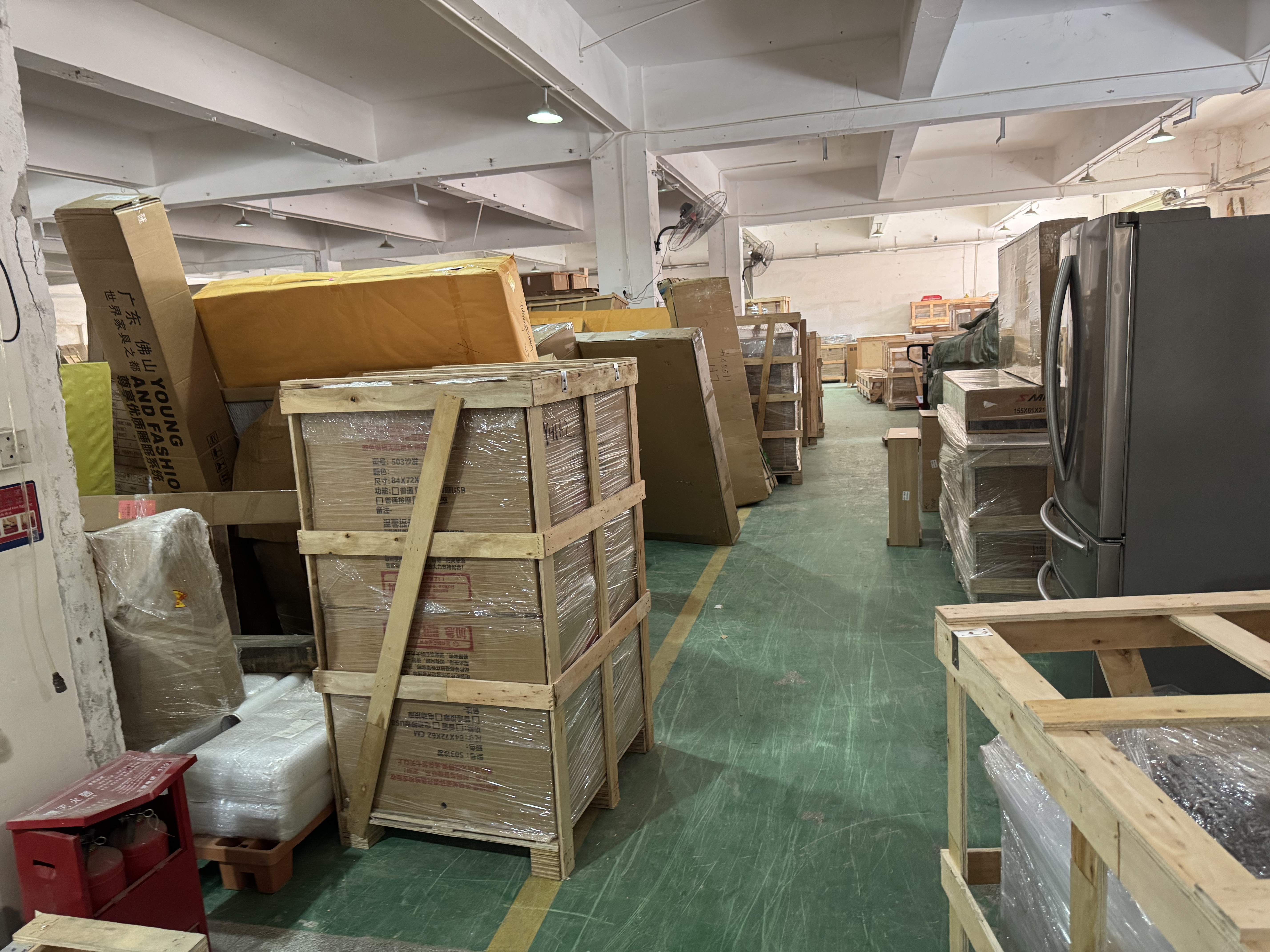
Warehouses in China and Canada are likely to be more automated. Automated storage and retrieval systems (AS/RS) can increase the efficiency of inventory management. For a large e - commerce seller like Alibaba shipping goods to Canada, it can reduce the time from order placement to shipment by up to 30%.
2. Drone and Autonomous Vehicle Delivery
In some scenarios, especially for last - mile delivery in Canada, drones and autonomous vehicles may play a bigger role. For small and urgent packages, drones can be used to deliver directly to the customer's doorstep. This can reduce the delivery time from the current average of 2 - 3 days for express delivery to within a few hours.
Amazon has been testing drone delivery in some areas. In 2026, this technology may be more widely adopted in the logistics between China and Canada, providing a faster and more convenient service for consumers.
III. Market - Driven Dynamics
1. E - commerce Boom
The e - commerce market between China and Canada is expected to continue to grow in 2026. As more Canadian consumers shop online from Chinese e - commerce platforms, the demand for logistics services will increase. For example, the volume of small - package shipments from China to Canada may increase by 20 - 30% compared to the current level.
This growth will put pressure on logistics providers to improve their service quality and efficiency. They may need to expand their warehousing facilities in both countries and increase the frequency of flights and shipping schedules.
2. Industry - Specific Demand
In different industries, the logistics requirements will vary. For the food industry, the demand for cold - chain logistics will be higher. In 2026, if more Chinese food products are exported to Canada, the cold - chain logistics capacity needs to be enhanced. Currently, the cold - chain logistics between the two countries may only cover 30% of the food shipments. By 2026, this proportion may increase to 50%.
For the automotive industry, the transportation of auto parts from China to Canada may require more precise scheduling and handling. A delay in the delivery of a critical auto part can halt the production line in a Canadian auto factory.
IV. FAQs
1. How can I ensure my goods clear customs smoothly in 2026?
As someone with years of experience in the logistics industry, I'd say choosing a reliable logistics partner is crucial. Companies like [盛达国际物流] have a deep understanding of the customs policies between China and Canada. Their experienced customs clearance teams can accurately prepare all the necessary documents and ensure compliance, significantly reducing the risk of customs issues. For example, they can pre - screen your goods to identify any potential problems and take proactive measures.
2. Will the cost of shipping from China to Canada increase in 2026?
It depends on various factors. With the implementation of environmental policies and potential technological upgrades, there may be some cost increases. However, if you choose a logistics provider like [盛达国际物流], they have the advantage of scale and efficient operations. They can offer competitive prices through optimized routes and cost - control measures. For instance, they can negotiate better rates with shipping lines and airlines due to their large - volume business.
3. Can I track my shipment in real - time in 2026?
Absolutely. In 2026, technology will make real - time tracking more accessible. [盛达国际物流] has a self - developed intelligent logistics system. It provides real - time updates on the status of your shipment from the moment it leaves the warehouse in China until it reaches its destination in Canada. You can easily check the location, clearance status, and estimated delivery time on their website or mobile app.
4. What if my goods are damaged during transportation in 2026?
[盛达国际物流] has a well - established and reliable after - sales service. They have a standardized claim process for damaged or lost goods. In case of damage, they will conduct a thorough investigation and provide appropriate compensation according to the insurance policy. Their experienced customer service team will guide you through the entire claim process, ensuring that your rights and interests are protected.
5. How does [盛达国际物流] adapt to the different logistics scenarios in 2026?
[盛达国际物流] is a forward - thinking company. They are constantly monitoring policy changes, technological trends, and market dynamics. They have a vertical - focused business model, which means they deeply understand the logistics policies and customs standards between China and Canada. For example, they are researching and investing in new technologies like blockchain to improve supply - chain transparency and in cold - chain equipment to meet the growing demand for food transportation. Their on - site operation warehouses in Shenzhen, with an area of 35,000 square meters, can provide a stable and efficient logistics service in different scenarios.
