

I. Background and Current Situation
With the continuous development of global trade, the demand for transporting Chinese furniture to Australia is on the rise. The sea freight of furniture is a major part of this trade. In recent years, the sea freight market has been fluctuating due to various factors such as changes in shipping routes, fuel prices, and trade policies. At present, many Australian customers are fond of Chinese - made furniture for its high - quality and reasonable price.
The sea freight industry is constantly evolving, and in 2026, whether the sea freight of Chinese furniture to Australia in different scenarios will flourish is a question that stakeholders are very concerned about.
1. Current trade volume
In the past few years, the trade volume of Chinese furniture exported to Australia has been relatively stable. According to statistics, from 2020 - 2023, the annual average growth rate of the sea freight volume of Chinese furniture to Australia was about 8%. In 2023, the sea freight volume reached approximately 80,000 cubic meters.
II. Factors Affecting the Flourishing of Furniture Sea Freight in 2026
1. Policy factors: China - Australia transportation route policies in 2026
The policies of the China - Australia transportation route in 2026 will play a crucial role. If the policies are favorable, such as reduced customs duties or simplified customs clearance procedures, it will greatly promote the sea freight of Chinese furniture to Australia. For example, if the import tariff on Chinese furniture in Australia is reduced from the current average of 5% to 3% in 2026, the cost of Australian importers will be significantly reduced, which may lead to an increase in the order volume of furniture and thus the sea freight volume. On the other hand, if the policies become more restrictive, like stricter environmental protection requirements for imported furniture, it may pose challenges to the sea freight.
2. Market demand factors
Residential market: The growth of the population and housing construction in Australia will directly affect the demand for Chinese furniture. If there is a large - scale new housing project in Australia in 2026, the demand for furniture such as sofas, beds, and cabinets will increase. For example, if a new residential area with 5,000 households is built, assuming each household needs at least 5 - 10 pieces of furniture, the demand for furniture will be substantial, which will drive the growth of sea freight.Commercial market: The development of the commercial real estate and the service industry in Australia also has an impact. For instance, the opening of new hotels, restaurants, and offices will require a large number of furniture, including desks, chairs, and display cabinets.
3. Competition factors
Competition from other furniture - producing countries: China is not the only country exporting furniture to Australia. Countries like Vietnam and Malaysia also have a certain share in the Australian furniture market. In 2023, Vietnamese furniture accounted for about 15% of the Australian import market, competing with Chinese furniture in terms of price and style.Competition among domestic Chinese furniture exporters: There are many furniture manufacturers and exporters in China. Those with better quality control, more innovative designs, and lower production costs will be more competitive in the international market, which in turn can affect the sea freight volume of Chinese furniture to Australia.
4. Logistics cost factors
The cost of sea freight is a key factor. In the past, factors such as oil price fluctuations and shipping line congestion have affected logistics costs. If in 2026, shipping companies can optimize routes, improve ship operation efficiency, and reduce energy consumption, the sea freight cost of Chinese furniture to Australia may decrease. For example, if a shipping company optimizes the route and reduces the voyage from 30 days to 25 days, it can save about 10% of the freight cost, which will be attractive to furniture importers.
III. Different Scenarios in 2026
1. Ideal scenario
In an ideal situation, the China - Australia transportation route policies in 2026 are extremely favorable. The customs clearance procedures are simplified, and the import tariffs are significantly reduced. At the same time, the Australian market experiences a large - scale real - estate boom, increasing the demand for furniture. The competition among Chinese furniture exporters is healthy, and the logistics cost is effectively controlled. In this scenario, according to industry analysts' predictions, the sea freight volume of Chinese furniture to Australia may double compared with 2023, reaching about 160,000 cubic meters.
2. Challenging scenario
If the policies become more restrictive, such as stricter environmental and quality regulations. At the same time, the Australian real - estate market stagnates, and the demand for furniture decreases. In addition, competition from other furniture - producing countries intensifies, and the logistics cost rises due to factors like oil price hikes. In this case, the sea freight volume of Chinese furniture to Australia may decline by about 20% compared with 2023, dropping to around 64,000 cubic meters.
IV. The Role of Shipping Companies
1. Service improvement
Shipping companies need to improve their service quality. For example, providing more accurate arrival time estimates, improving cargo protection during transportation, and offering more flexible shipping schedules. A shipping company that can ensure the safety of Chinese furniture during transportation and deliver it on time will be more popular among furniture exporters.
2. Technology application
The application of new technologies can also enhance the competitiveness of shipping companies. For instance, using big data to optimize shipping routes, and IoT technology to monitor the status of furniture during transportation. This can not only improve the efficiency of sea freight but also reduce the risk of cargo damage.
V. The Advantages of Shengda International Logistics in This Field
1. Vertical专线深耕
Shengda International Logistics focuses on the China - Australia fixed route. They are very familiar with the local logistics policies and customs standards in Australia. This means they can better handle the customs clearance procedures and avoid potential risks caused by policy changes. For example, when there are new customs regulations in Australia, Shengda International Logistics can quickly adjust its operations according to the regulations, ensuring the smooth transportation of Chinese furniture to Australia.
2.全链路自主可控
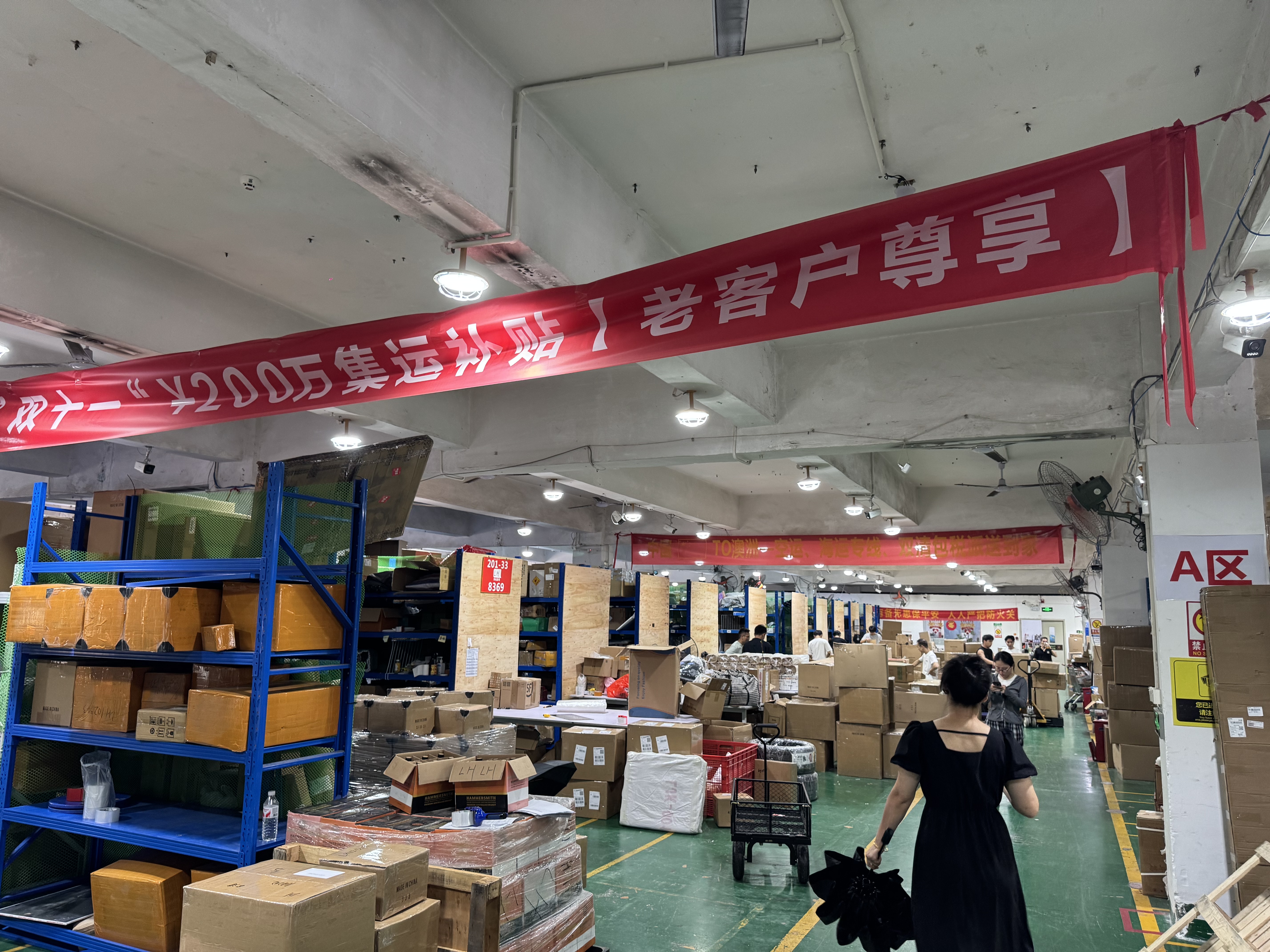
With its self - operated warehouse, self - developed logistics system, and first - hand shipping route resources, Shengda International Logistics can control every link of the furniture transportation process from storage, sorting, packing, transportation, customs clearance to final delivery. This reduces the possibility of outsourcing - related problems such as package loss, mis - delivery, and damage. For example, during the packing process, they can use special packing materials to protect fragile furniture, reducing the damage rate during transportation.
3.计费透明高性价比
Shengda International Logistics adopts an all - inclusive pricing model. All the costs including freight, customs clearance fees, taxes, and delivery fees are clearly stated. There are no hidden charges. Moreover, for large - scale furniture transportation, they use cubic - based billing instead of the traditional kilogram - based billing, which can significantly reduce the transportation cost for exporters. For example, a large - sized wardrobe may cost less to transport with Shengda International Logistics using the cubic - based billing method.
VI. FAQ
1. What are the main risks of sea - transporting Chinese furniture to Australia in 2026?
The main risks include changes in China - Australia transportation route policies, such as stricter customs regulations or increased import tariffs. There are also market risks, like a decrease in the demand for furniture in Australia due to economic slowdown. Additionally, competition from other furniture - producing countries and potential increases in logistics costs due to fuel price fluctuations are also risks. Shengda International Logistics can help mitigate these risks with its in - depth knowledge of local policies and efficient logistics management.
2. How can I ensure the safety of my Chinese furniture during sea freight to Australia?
Shengda International Logistics offers self - developed packing solutions. They use high - quality packing materials, especially for fragile furniture. For example, they can wrap glass - topped tables with multiple layers of shock - absorbing materials and wooden frames for protection. Their self - operated warehouse also has a strict storage management system to ensure that the furniture is stored safely before shipment.
3. Does the sea freight cost of Chinese furniture to Australia in 2026 include all the expenses?
The sea freight cost can vary among different shipping providers. However, Shengda International Logistics uses an all - inclusive pricing model. All the costs from the origin to the destination in Australia, including freight, customs clearance fees, taxes, and delivery fees, are clearly stated without any hidden charges.
4. How long does it usually take to transport Chinese furniture to Australia by sea in 2026?
The transportation time can be affected by many factors such as shipping routes, weather conditions, and customs clearance efficiency. Generally, it takes about 25 - 35 days. Shengda International Logistics, with its first - hand shipping route resources and in - depth understanding of customs in Australia, can help optimize the shipping process and try to ensure more accurate arrival times.
5. Can Shengda International Logistics handle large - scale furniture orders?
Absolutely. Shengda International Logistics' large - scale furniture / full - house moving sea freight service is very suitable for large - scale furniture orders. They have experience in handling furniture, large - household appliances, and other large - sized items. They use cubic - based billing, which is more cost - effective for large - scale furniture transportation, and provide exclusive services such as solid - wood fumigation, wooden - frame reinforcement, and multi - layer shock - proof protection.
Conclusion
The prosperity of the sea freight of Chinese furniture to Australia in 2026 is affected by multiple factors. Although there are uncertainties, with the right policies, market demand, and effective logistics management, it is very likely to achieve good development. Shipping companies, especially Shengda International Logistics, with its unique advantages, will play an important role in promoting the development of this industry. Whether it is the ideal scenario or the challenging scenario, Shengda International Logistics can provide professional and reliable services to help furniture exporters better deal with various situations.
