

Will Australian Cross - border Logistics Companies Face Different Scenarios in 2026?
In the ever - evolving world of cross - border logistics, Australian companies are standing at the cusp of change. The question on everyone's mind is whether 2026 will bring a new set of challenges and opportunities. As a seasoned logistics expert, I've seen the industry transform over the years, and I'm here to explore what's in store for Australian cross - border logistics in 2026.
I. Policy Changes on the China - Australia and Australia - China Routes
Customs Regulations In 2026, new customs policies are expected to be in place for the China - Australia and Australia - China transport routes. For instance, there might be stricter scrutiny on the origin of goods. Currently, about 30% of Australian imports from China are electronic products, and any changes in the rules regarding the origin of these electronics could impact the clearance process. Let's say a product has components sourced from multiple countries. In the future, Australian customs may require more detailed documentation about the manufacturing process and the origin of each component to determine its true origin.A case in point could be a small electronics retailer in Australia. If they import a batch of smartphones from China and the new customs policy requires more in - depth origin verification, it could delay the release of the goods and increase the administrative burden on the retailer.
Trade Agreements The existing trade agreements between China and Australia are likely to be revisited or updated in 2026. If there's an expansion of the free - trade agreement, it could lead to a boost in trade volume. For example, currently, some Australian agricultural products face certain tariffs when entering the Chinese market. If the agreement is updated to remove these tariffs, we could see a 20% increase in the export volume of Australian dairy products to China.
II. Technological Advancements
Automation and Robotics Australian cross - border logistics companies will increasingly adopt automation and robotics by 2026. In warehouses, automated sorting systems can significantly improve efficiency. Currently, manual sorting in a large - scale warehouse can handle around 1000 packages per hour. With the introduction of advanced robotic sorting systems, this number could jump to 3000 packages per hour.Take a major Australian logistics hub as an example. By implementing robotic arms for palletizing goods, they can reduce the labor - related costs by up to 40% and also minimize the risk of human - error in the handling process.
Blockchain for Supply Chain Transparency Blockchain technology will play a crucial role in enhancing supply chain transparency. In 2026, more companies will use blockchain to track the movement of goods from the point of origin to the final destination. For example, a shipment of Australian wine to China can be tracked in real - time using blockchain. Every step, from the winery where it was produced to the port of loading, and then to the Chinese distributor, can be recorded on the blockchain. This not only helps in reducing the risk of fraud but also provides consumers with accurate information about the product's journey.
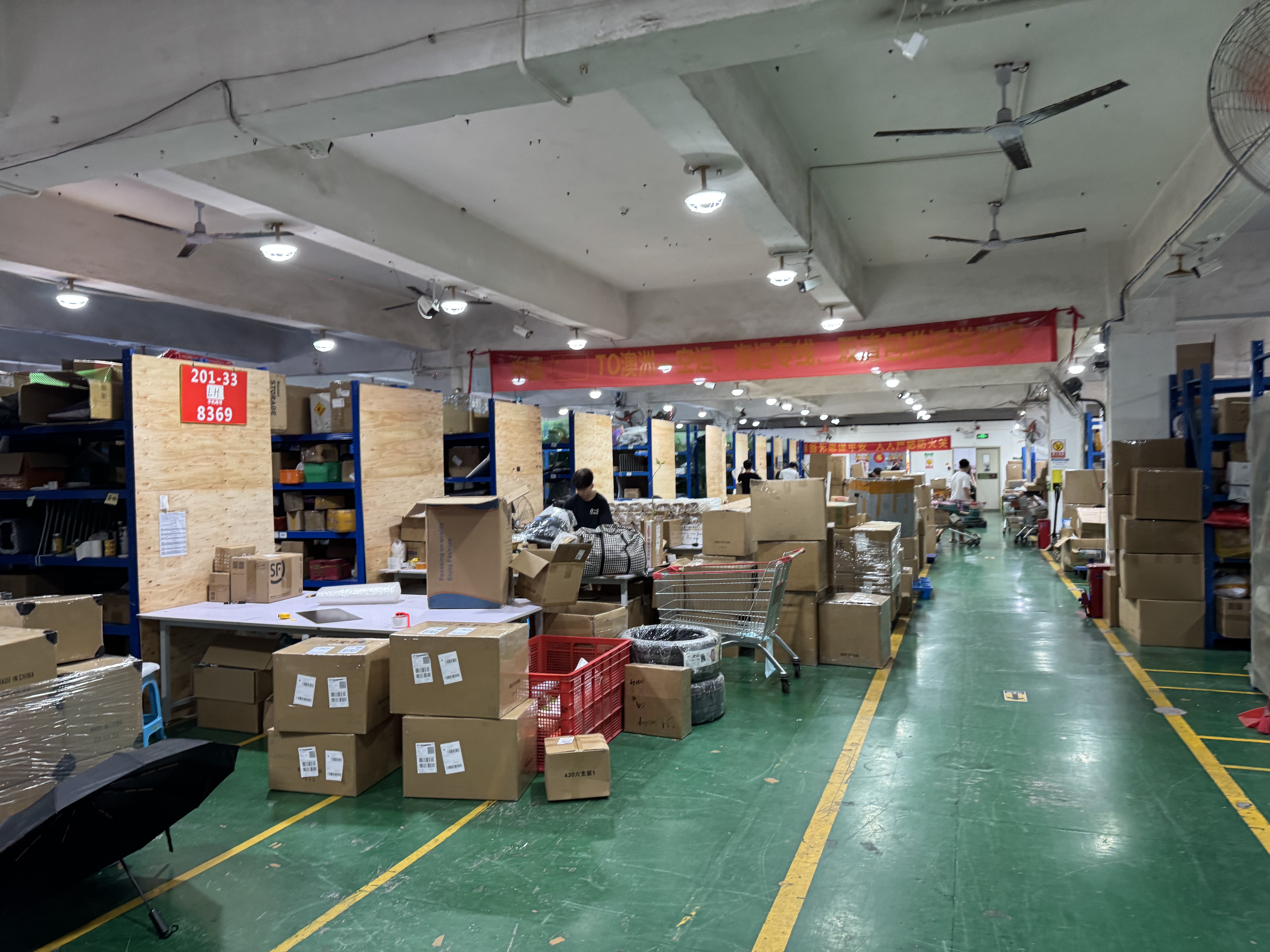
III. Changing Consumer Demands
E - commerce Growth The growth of e - commerce will continue to reshape the cross - border logistics landscape in Australia. By 2026, it's estimated that the e - commerce market in Australia will account for 30% of the total retail sales. This means that logistics companies will need to adapt to handle a higher volume of small - parcel shipments.For example, a consumer in Australia who regularly shops on Chinese e - commerce platforms will expect faster delivery times. Logistics companies will need to optimize their last - mile delivery services to meet these expectations. Currently, the average delivery time for a cross - border e - commerce package from China to Australia is around 10 - 15 days. By 2026, consumers may demand this time to be reduced to 7 days or less.
Sustainable Logistics Consumers are becoming more environmentally conscious, and this will impact cross - border logistics. In 2026, more Australian consumers will prefer products that are shipped using sustainable methods. For example, a consumer may choose a product that is shipped in an eco - friendly packaging and via a carbon - neutral shipping method. Logistics companies will need to invest in more sustainable transportation options, such as electric trucks for local deliveries and ships with lower fuel consumption.
IV. Competition Landscape
New Entrants The Australian cross - border logistics market may see new entrants in 2026. Tech - savvy startups could disrupt the traditional logistics players. For example, a new startup might offer a more user - friendly online platform for shipping and tracking goods. This could attract small and medium - sized businesses that are looking for a more seamless and cost - effective logistics solution.Competition from Global Giants Global logistics giants will also continue to increase their presence in the Australian market. Companies like DHL and FedEx already have a significant share of the cross - border logistics business. In 2026, they may expand their services further, offering more competitive pricing and faster delivery times. This will put pressure on local Australian logistics companies to up their game.
V. How Can Australian Cross - border Logistics Companies Adapt?
Invest in Technology To stay competitive in 2026, Australian logistics companies need to invest in technology. This includes upgrading their warehouse management systems to be more automated, adopting blockchain for supply chain transparency, and using artificial intelligence for route optimization. For example, a company that invests in an AI - powered route optimization system can reduce fuel costs by up to 20% and also improve delivery times.Build Strong Partnerships Building partnerships with other logistics companies, suppliers, and customs brokers can help Australian cross - border logistics companies navigate the changing policy environment and meet consumer demands. For instance, partnering with a local Chinese logistics company can help in better understanding the Chinese market and customs regulations, which is crucial for the Australia - China trade route.
Focus on Customer Service With the changing consumer demands, providing excellent customer service will be key. This includes offering real - time shipment tracking, easy - to - use online platforms, and responsive customer support. A logistics company that can provide a seamless customer experience is more likely to retain customers in 2026.
FAQ
What if my goods are held up at customs due to the new regulations in 2026? Well, this is a common concern. At [盛达国际物流], we have a team of experienced customs brokers who are well - versed in the latest customs regulations. They can work with you to ensure that all the documentation is in order and resolve any customs - related issues as quickly as possible. Compared to some other companies, our long - standing experience in cross - border logistics on the China - Australia and Australia - China routes gives us an edge in handling customs matters.How can I ensure that my goods are transported sustainably in 2026? Sustainability is becoming more and more important. [盛达国际物流] is committed to promoting sustainable logistics. We are constantly looking into eco - friendly transportation options such as using electric vehicles for local deliveries and optimizing shipping routes to reduce fuel consumption. We can also help you with eco - friendly packaging solutions for your goods.
What if a new startup enters the market and offers lower prices? Can [盛达国际物流] compete? While new startups may offer lower prices, [盛达国际物流] offers much more in terms of reliability and service quality. We have a well - established infrastructure, a professional team with over 10 years of experience in the industry, and a comprehensive service package. Our long - term relationships with suppliers and partners also allow us to keep our costs competitive. So, we believe we can provide better value for money in the long run.
How can I be sure that my e - commerce shipments will reach the consumers in Australia on time in 2026? At [盛达国际物流], we have a state - of - the - art logistics system that allows for real - time tracking and route optimization. Our experience in handling e - commerce shipments on the China - Australia and Australia - China routes means we understand the unique requirements. We also have partnerships with reliable last - mile delivery providers in Australia to ensure that your shipments reach the consumers on time.
What if there are changes in the trade agreements between China and Australia in 2026? How will [盛达国际物流] handle it? Our team closely monitors all the changes in trade agreements. With our deep understanding of the customs and trade policies between China and Australia, we can quickly adapt to any new trade agreement. We will help you adjust your shipping strategies to take advantage of the new terms, such as reduced tariffs or modified import/export requirements.
In conclusion, 2026 will indeed bring different scenarios for Australian cross - border logistics companies. By being proactive and adapting to these changes, they can not only survive but thrive in the new environment. [盛达国际物流], with its focus on technology, customer service, and compliance, is well - positioned to be a reliable partner for businesses involved in cross - border trade between China and Australia.
