

Will 2026 See Different Scenarios for Bulk Ocean Shipping to Vancouver?
In the dynamic world of international logistics, the future of bulk ocean shipping to Vancouver in 2026 is a topic that piques the interest of many. As we look ahead, there are several factors that could shape different scenarios for this crucial shipping route.
I. Policy Changes on the 2026 China - Canada and Canada - China Shipping Routes
The policies governing the China - Canada and Canada - China shipping routes in 2026 are set to have a significant impact. For instance, new environmental regulations may be in place. Canada, like many countries, is increasingly concerned about reducing its carbon footprint. It's possible that by 2026, ships traveling between China and Vancouver may need to comply with stricter emissions standards. This could lead to an increase in the cost of shipping as companies may need to invest in more fuel - efficient vessels or use cleaner fuels.
On the trade policy front, the relationship between China and Canada can also play a huge role. Changes in import and export tariffs, trade agreements, and customs regulations can either encourage or discourage bulk ocean shipping. For example, if there is a relaxation of tariffs on certain bulk goods, it could lead to an increase in the volume of products shipped from China to Vancouver.
II. Technological Advancements
Autonomous Ships The development of autonomous ships is a game - changer in the shipping industry. By 2026, we might see more autonomous bulk carriers on the route to Vancouver. These ships can operate with greater precision, reducing the risk of human error. They can also optimize their routes based on real - time data, such as weather conditions and traffic patterns. For example, an autonomous ship can adjust its course to avoid storms, which not only saves time but also ensures the safety of the cargo.
Blockchain in Logistics Blockchain technology is gradually making its way into the logistics industry. By 2026, it could be widely adopted in bulk ocean shipping to Vancouver. Blockchain can provide a transparent and secure way to track shipments. All parties involved in the shipping process, from the shipper in China to the receiver in Vancouver, can have access to real - time information about the cargo's location, condition, and ownership. This reduces the risk of fraud and improves the overall efficiency of the shipping process.
III. Market Demand and Supply
Increased Demand for Bulk Goods The demand for bulk goods in Vancouver could increase by 2026. For example, the construction industry in Vancouver may require more building materials such as steel, cement, and lumber. If China is a major supplier of these materials, we can expect to see an uptick in bulk ocean shipping. According to market research, the construction sector in Vancouver is projected to grow by 15% in the next few years, which will directly drive up the demand for bulk construction materials.
Supply - side Challenges On the supply side, there could be challenges. For instance, if there are disruptions in the production of bulk goods in China, such as due to natural disasters or labor shortages, it could affect the supply of goods shipped to Vancouver. In 2020, the COVID - 19 pandemic caused significant disruptions in the supply chain, leading to delays and shortages of goods. Similar scenarios could occur in 2026, affecting the bulk ocean shipping market.
IV. Competition in the Shipping Market
New Players Entering the Market By 2026, we may see new shipping companies entering the bulk ocean shipping market to Vancouver. This could increase competition, which is generally good for shippers and receivers. New entrants may offer more competitive prices or better services. For example, a new shipping company may introduce innovative shipping solutions, such as faster transit times or more flexible delivery options.
Competition from Alternative Shipping Routes There may also be competition from alternative shipping routes. For example, if new ports or shipping channels open up, shippers may choose to use these routes instead of the traditional China - Vancouver route. This could lead to a change in the market share of the existing shipping companies operating on the China - Vancouver route.
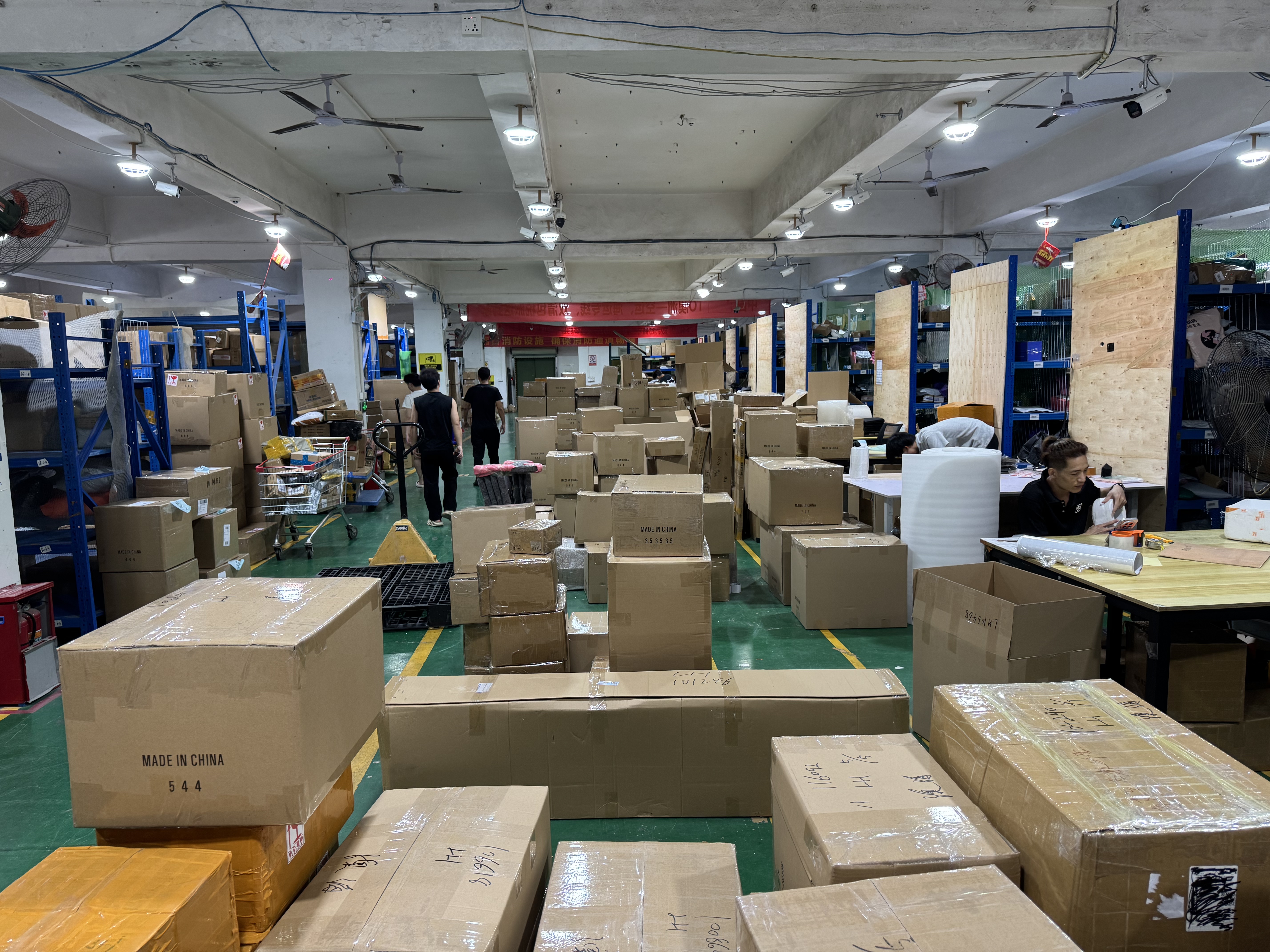
V. The Role of Companies like Shengda International Logistics
Meeting Policy Requirements Shengda International Logistics has an edge here. With its experienced team of 40 - plus professionals, each having over 10 years of experience in international logistics, it can quickly adapt to the 2026 China - Canada shipping policies. This team is well - versed in customs regulations, tax policies, and environmental requirements. They can ensure that all shipments comply with the new policies, avoiding any potential fines or delays.
Leveraging Technological Advancements Shengda International Logistics is also at the forefront of leveraging new technologies. It has its own research and development department, which is actively exploring the use of blockchain and artificial intelligence in its operations. By 2026, it can use these technologies to provide more accurate tracking and better customer service. For example, customers can use the company's smart logistics system to get real - time updates on their bulk shipments to Vancouver.
Adapting to Market Changes The company's vertical -专线 focus on the China - Canada route allows it to be more responsive to market demand and supply changes. It can quickly adjust its shipping capacity based on the changing needs of its customers. For example, if there is a sudden increase in the demand for bulk construction materials in Vancouver, Shengda International Logistics can arrange for more shipments from China in a timely manner.
FAQs
Question: How can I ensure my bulk shipment to Vancouver in 2026 complies with the new environmental regulations? Answer: Working with a professional logistics company like Shengda International Logistics is the way to go. With its experienced team and in - depth knowledge of environmental policies, they can guide you through the entire process. They can help you choose the right shipping vessels that meet the new emission standards and ensure all environmental paperwork is in order.
Question: What if there are supply disruptions in China and my bulk goods cannot be shipped on time? Answer: Shengda International Logistics has a flexible supply - chain management system. They can quickly find alternative suppliers or adjust the shipping schedule. Their 35,000 - square - meter warehouse in Shenzhen also allows for some buffer storage, so they can hold the goods until the supply situation stabilizes.
Question: How can I track my bulk shipment to Vancouver in real - time in 2026? Answer: Shengda International Logistics' self - developed smart logistics system is the answer. It updates all the logistics nodes in real - time. You can log into the system at any time to check the storage, packing, shipping, delivery, and signing status of your goods. There are no fake tracking details.
Question: What if my bulk shipment is damaged or lost during transit in 2026? Answer: Shengda International Logistics has a formal compensation mechanism. If the damage or loss is due to operational errors, they will provide standard compensation. Their compliance - based customs clearance also minimizes the risk of goods being seized or taxed, further protecting your interests.
Question: How competitive are the prices of Shengda International Logistics for bulk ocean shipping to Vancouver in 2026? Answer: Shengda International Logistics offers a clear - pricing model. There are no hidden charges, and all costs are listed upfront. Its focus on the vertical -专线 also allows for cost - effective operations. For bulk goods, it uses a cubic - based pricing method, which is often more cost - efficient than the traditional kilogram - based method.
