

Will the Sea Freight Delivery to Remote Areas in Australia Face Different Scenarios in 2026?
In the world of international logistics, sea freight to remote areas in Australia has always been a topic that draws much attention. As we look ahead to 2026, it's natural to wonder if there will be significant changes in this area. Let's explore this question from multiple aspects.
I. Policy Changes in 2026 for China - Australia and Australia - China Routes
In 2026, the policies regarding the China - Australia and Australia - China sea freight routes are expected to bring some impacts. The Chinese government may introduce more preferential policies to promote trade volume. For example, it could reduce customs duties on some goods transported by sea, which would directly lower the cost of sea freight. On the Australian side, there might be stricter environmental protection policies for shipping. Ships may be required to meet higher emission standards, which could increase the operating costs of shipping companies.
Take the case of a Chinese furniture exporter shipping to a remote area in Australia. If the customs duties are reduced, the exporter can offer more competitive prices in the Australian market. However, if the shipping company has to upgrade its ships to meet the new environmental standards, it may pass on some of the costs to the exporter.
FAQ 1: How do these policy changes affect small - scale shippers? As someone with years of experience in the logistics industry, I know that small - scale shippers are often more sensitive to cost changes. The reduction in customs duties is definitely a good news, as it directly cuts down their expenses. But the potential increase in shipping costs due to environmental policies could be a concern. However, at [盛达国际物流], we have a professional team that keeps a close eye on these policy changes and tries to find the most cost - effective solutions for our small - scale clients. For instance, we can negotiate better rates with our shipping partners and optimize the shipping routes to minimize the impact of cost increases.
II. Technological Advancements
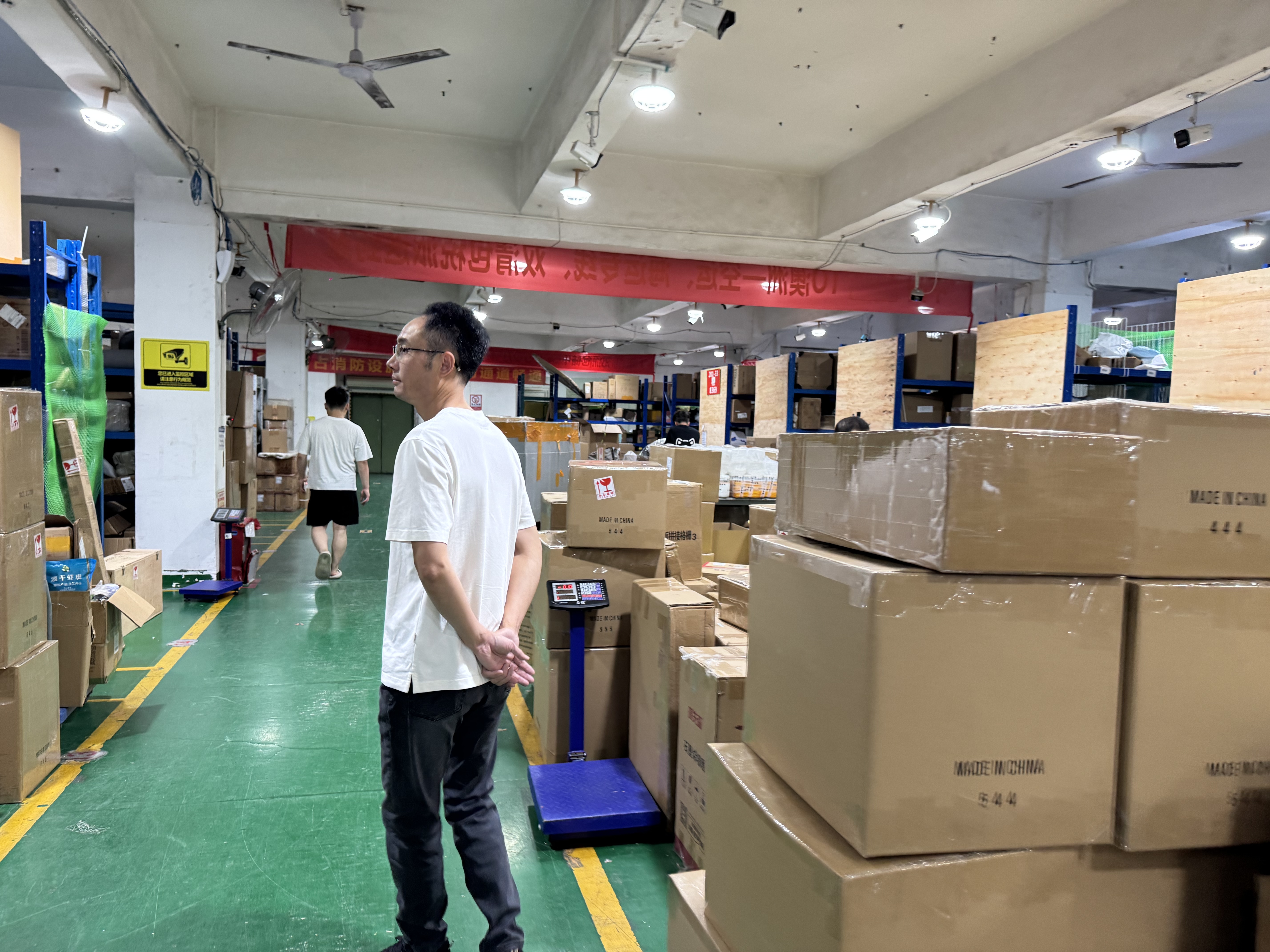
Technology is constantly evolving, and by 2026, it will surely have an impact on sea freight delivery to remote areas in Australia. One of the most significant advancements is the improvement in navigation and tracking systems. With more accurate real - time tracking, shippers can have better control over their goods. They can know exactly where their goods are at any time and estimate the arrival time more precisely.
For example, a food distributor shipping perishable goods to a remote area in Australia can use advanced tracking systems to ensure that the goods are kept at the right temperature during transit and reach the destination on time. Moreover, the development of autonomous ships may also change the game. Although fully autonomous ships may not be widespread by 2026, they could start to be tested in some sea lanes. Autonomous ships can reduce the need for crew and potentially lower the operating costs.
FAQ 2: Are these technological advancements reliable for sea freight to remote areas? From my perspective, these technologies have been well - tested and are becoming increasingly reliable. The real - time tracking systems are based on satellite and other advanced communication technologies, which can provide accurate information even in remote areas. As for autonomous ships, although they are still in the experimental stage, the technology behind them is constantly improving. At [盛达国际物流], we are always at the forefront of adopting new technologies. We use the most advanced tracking systems to provide our customers with up - to - date information about their shipments.
III. Market Demand and Competition
The market demand for sea freight to remote areas in Australia is likely to change in 2026. With the continuous development of the Australian economy, the demand for various goods in remote areas may increase. For example, the mining industry in some remote areas may require more equipment and supplies, and the growing population in these areas may also lead to a higher demand for consumer goods.
This increased demand will also lead to more competition among shipping companies and logistics providers. New players may enter the market, and existing companies will try to improve their services and lower their prices to attract customers. For example, some shipping companies may offer more frequent shipping schedules or better - quality services such as faster unloading and delivery in remote areas.
FAQ 3: How can shippers choose the best logistics provider in this competitive market? In such a competitive market, it's crucial for shippers to choose a reliable and experienced logistics provider. At [盛达国际物流], we have a long - standing reputation in the industry. We have been serving customers shipping to Australia for many years and know well the transportation requirements of remote areas. We offer a wide range of services, including sea freight, customs clearance, and last - mile delivery. Our pricing is transparent, and we have a dedicated customer service team to solve any problems that may arise during the shipping process.
IV. Infrastructure Development
Infrastructure development in both China and Australia will also have an impact on sea freight delivery to remote areas in 2026. In China, the continuous improvement of port facilities can increase the handling capacity and efficiency of ships. For example, larger cranes and more efficient container terminals can reduce the loading and unloading time of ships.
In Australia, the construction of better roads and railways in remote areas can improve the connectivity between ports and inland areas. This means that goods can be transported from ports to remote destinations more quickly and safely. For example, a new railway line in a remote area can reduce the transportation time of goods from the port to a mining site.
FAQ 4: How does infrastructure development help in reducing shipping time? Infrastructure development plays a crucial role in reducing shipping time. In China, improved port facilities can speed up the loading and unloading process of ships. A ship that can be loaded and unloaded faster can start its journey earlier. In Australia, better inland transportation infrastructure means that goods can be transported from the port to the final destination more quickly. At [盛达国际物流], we take advantage of these infrastructure improvements. We work closely with ports and inland transportation providers to ensure that our customers' goods are transported in the most efficient way possible.
V. Environmental and Social Factors
Environmental and social factors are also important considerations for sea freight delivery to remote areas in Australia in 2026. As mentioned before, environmental protection policies may require shipping companies to use more environmentally friendly fuels and technologies. This not only helps to protect the environment but also meets the growing social demand for sustainable development.
In addition, social factors such as the local community's attitude towards shipping and the demand for local employment may also affect sea freight. For example, if the local community in a remote area in Australia wants more local employment opportunities, shipping companies may be required to hire more local workers during the unloading and delivery process.
FAQ 5: How does [盛达国际物流] address environmental and social factors? We at [盛达国际物流] take environmental and social factors very seriously. We are committed to promoting sustainable development in the logistics industry. We encourage our shipping partners to use more environmentally friendly fuels and technologies. In terms of social factors, when we operate in remote areas in Australia, we try to create local employment opportunities and contribute to the local community. We believe that by balancing environmental protection and social responsibility, we can build a better future for the logistics industry.
In conclusion, the sea freight delivery to remote areas in Australia is likely to face different scenarios in 2026. Policy changes, technological advancements, market demand and competition, infrastructure development, and environmental and social factors will all play important roles. Shippers and logistics providers need to be prepared to adapt to these changes to ensure the smooth and efficient delivery of goods. And [盛达国际物流] is here to help our customers navigate through these changes with our professional services and in - depth industry knowledge.
