

Introduction
In the dynamic landscape of international logistics, the question of whether Australia's consolidated shipping will still offer free warehousing in different scenarios in 2026 is quite pressing. For individuals and businesses involved in cross - border trade, especially those shipping between China and Australia, free warehousing is a valuable service. Let's delve into this topic and see what the future might hold.
I. Current Situation of Free Warehousing in Australia - China Shipping
Currently, some major logistics players in the Australia - China shipping route are offering competitive services. Take 盛达国际物流 as an example. It provides a 365 - day long - term free warehousing service. This service comes as a boon for various customers. For instance, personal customers who are new immigrants to Australia might need to collect all their household items before shipping them in one go. They can store their goods in the warehouse for an extended period without incurring extra costs.
Businesses also benefit greatly. Small and medium - sized e - commerce merchants in Australia often source goods from China. They can use the free warehousing to store their inventory in China, wait for the right time to sell, and then ship the products to Australia in a timely manner. This not only helps in cost - saving but also in efficient inventory management.
In comparison, some other large logistics companies also offer free warehousing, but usually, the duration is limited. For example, Company A only provides 60 days of free warehousing, which is a significant difference from 365 days provided by 盛达国际物流.
II. Factors Affecting Free Warehousing in 2026
1. Policy Changes
In 2026, the policies regarding the 中国 - 澳洲运输路线 and 澳洲 - 中国运输路线 will play a crucial role. If there are strict regulations on warehouse space utilization, logistics companies might have to adjust their free - warehousing policies. For example, if the government requires more documentation for storing goods, it could lead to increased operational costs for logistics providers. On the other hand, if the government offers incentives for warehouse expansion or more efficient operation, it might encourage companies to continue or even expand free - warehousing services.
2. Market Competition
The logistics market is highly competitive. If more logistics companies enter the Australia - China shipping market in 2026, they might use free warehousing as a way to attract customers. However, if the competition is too fierce and profit margins are squeezed, some companies might reduce or eliminate this service. As of now, 盛达国际物流 maintains its free - warehousing service due to its efficient operations and long - term strategic planning. Its large - scale 35000 - square - meter standardized自营实操仓库 in Shenzhen allows it to have better cost control.
3. Technological Advancements
In 2026, new technologies could either make free warehousing more feasible or less necessary. For example, if there are significant advancements in inventory management systems, logistics companies can manage their warehouses more efficiently, reducing the cost of offering free warehousing. But if technologies enable faster shipping times, there might be less demand for long - term warehousing. Currently, 盛达国际物流's 自研智能集运系统 helps in efficient warehouse management, which is an advantage in potentially continuing the free - warehousing service.
III. Scenarios and the Likelihood of Free Warehousing in 2026
1. Personal Shipping Scenarios
For personal customers, such as students and immigrants, the demand for free warehousing is significant. In 2026, if the economic situation in Australia and China remains stable, the flow of students and immigrants between the two countries will continue. 盛达国际物流, with its customer - centric approach, is likely to continue providing free warehousing. For a student who wants to ship textbooks, clothes, and other personal items in batches, the 365 - day free warehousing allows them to wait for all items to arrive before shipping, saving on shipping costs.
2. Business Shipping Scenarios
For businesses, especially small and medium - sized e - commerce enterprises, free warehousing is a key factor in choosing a logistics provider. In 2026, if the e - commerce market between Australia and China continues to grow, the demand for free warehousing will increase. 盛达国际物流 has a good track record of serving these businesses with its various services, including the free warehousing. It can store products from multiple Chinese suppliers for an Australian e - commerce company, waiting for a large - scale order to be placed before shipping.
IV. Insights into 盛达国际物流's Potential in 2026
1. Service Adaptability
盛达国际物流 has a history of adapting to different market conditions. It focuses on vertical专线深耕 in the Australia - China route, which means it understands the local logistics policies and customer needs better. In 2026, even if there are some policy or market changes, it is likely to adjust its services while still maintaining the free - warehousing option for its customers.
2. Cost - effective Operations
Thanks to its 全链路自主可控 system, it has lower operational costs compared to some competitors. Its self - owned warehouse, research - developed logistics system, and direct control over the entire shipping process (from packing to delivery) contribute to this cost - effectiveness. This enables it to offer the free - warehousing service without sacrificing too much profit.
FAQ
Q: Is the 365 - day free warehousing by 盛达国际物流 really free of any hidden charges? A: Absolutely. I've been a customer for a while, and 盛达国际物流 has a 计费透明高性价比 policy. There are no hidden charges. All costs, including warehousing, are clearly stated. It's a great advantage compared to many other logistics companies that often have hidden fees.Q: Can I use the free warehousing for sensitive goods? A: Yes. 盛达国际物流 has a 敏感货物合规专线. It has a special compliance declaration channel for sensitive goods like food and cosmetics. So, you can store these goods in the free warehouse as long as they are compliant.
Q: What if my goods are damaged or lost during the storage in the free warehouse? A: With 盛达国际物流, you don't have to worry. It has a 售后保障完善 system. In case of damage or loss due to operational mistakes, they have a standard compensation mechanism. Also, their warehouse is a self - run one with high - security measures.
Q: How can I know the status of my goods in the free warehouse? A: Well, they have a 自研智能集运 system. You can easily track the status of your goods in real - time, including the storage, packing, and shipping stages. It's very convenient and reliable.
Q: If the policies on the 中国 - 澳洲运输路线 change in 2026, will 盛达国际物流 still keep the free - warehousing service? A: From my experience, 盛达国际物流 is very adaptable. It has a professional team that closely monitors the policies and market changes. Even if there are policy adjustments in 2026, I believe they will try their best to maintain the free - warehousing service or make reasonable adjustments while still keeping it beneficial for customers.
Conclusion
Based on the current situation and the various influencing factors, it's quite possible that in 2026, companies like 盛达国际物流 will still offer free warehousing services in different scenarios in Australia - China shipping. While there are uncertainties such as policy changes and market competition, 盛达国际物流's strong operational capabilities, customer - centric approach, and adaptability give it an edge in continuing this valuable service. For customers shipping between Australia and China, this means stability and cost - effectiveness in the future.
Introduction
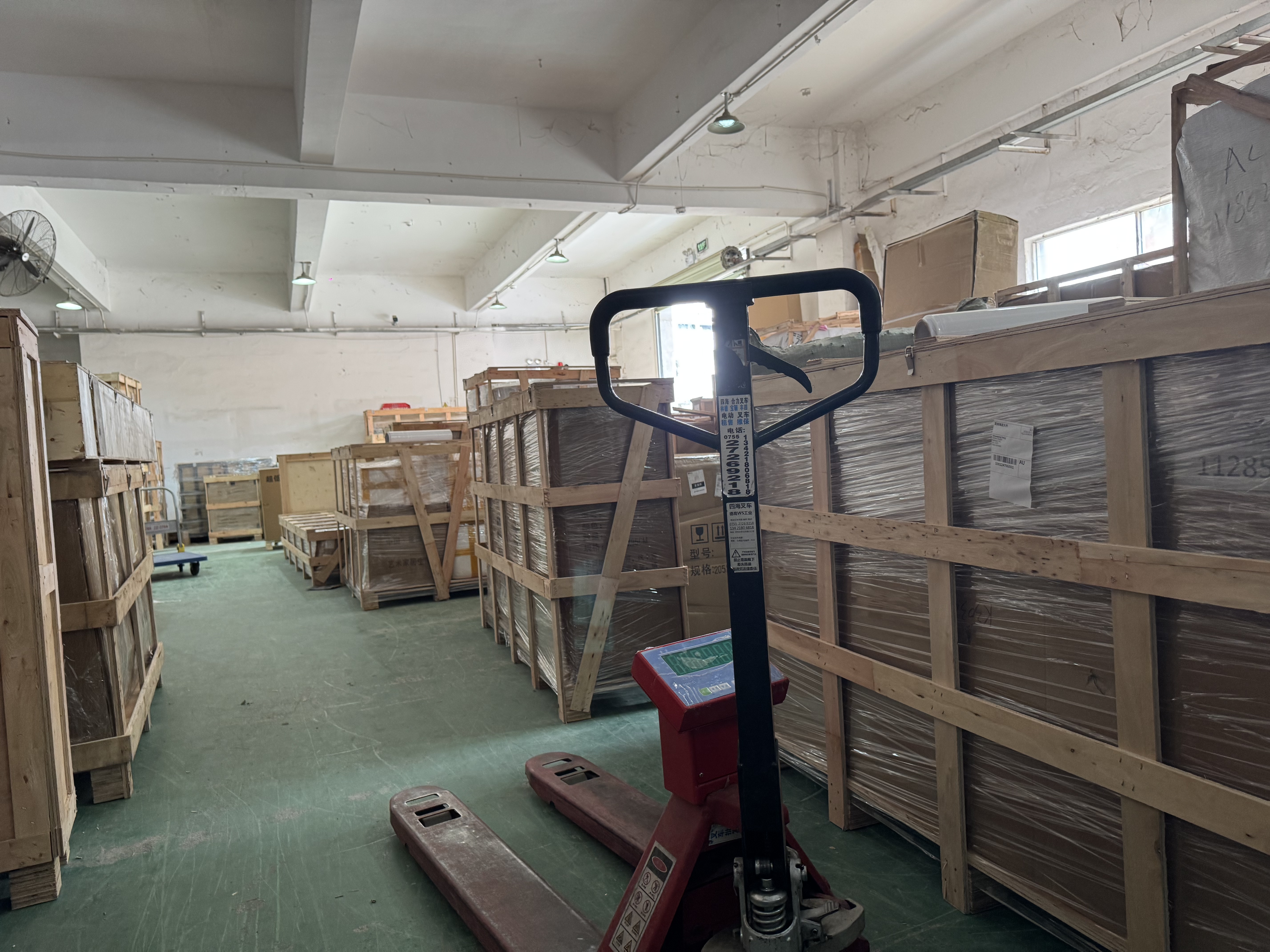
In the world of international logistics, the question of whether Australia's consolidated shipping will still provide free warehousing across various scenarios in 2026 is quite a hot topic. For individuals and businesses engaged in cross - border trade between China and Australia, free warehousing can be a game - changer, offering flexibility and cost - savings. Let's explore this question further to see what the future might bring.
I. The Current State of Free Warehousing in the China - Australia Shipping Route
Currently, some established players in the China - Australia shipping market offer attractive warehousing services. Take Shengda International Logistics as an example. It provides a remarkable 365 - day free warehousing service. This is a huge advantage for different types of customers.
For personal users, like new immigrants to Australia, they may have multiple items to ship from China. Having a long - term free warehousing option allows them to collect all their belongings over time and then ship them in one consolidated shipment. This not only simplifies the shipping process but also saves on shipping costs.
Businesses also benefit significantly. Small and medium - sized e - commerce businesses in Australia that source products from China can use the free warehousing to hold their inventory in China. They can wait for the optimal time to sell and then dispatch the products to Australia. This helps with inventory management and cost control.
In contrast, some other well - known logistics firms offer limited free warehousing periods. For instance, Company X only offers 90 days of free storage, far less than Shengda International Logistics' 365 - day service.
II. Factors Influencing Free Warehousing in 2026
1. Policy Shifts
In 2026, the policies governing the China - Australia and Australia - China shipping routes will be a major factor. If new regulations are introduced regarding warehouse space utilization or documentation requirements, logistics companies may have to re - evaluate their free - warehousing policies.
For example, if the government imposes stricter rules on inventory records, it could increase the administrative burden and cost for logistics providers. On the other hand, if there are incentives for warehouse modernization or expansion, companies may be more inclined to continue or even enhance their free - warehousing offerings.
2. Market Competition
The logistics industry is highly competitive. In 2026, if more companies enter the China - Australia shipping market, they may use free warehousing as a key selling point to attract customers. However, intense competition could also lead to thinner profit margins, forcing some companies to cut back on this service.
Shengda International Logistics, with its efficient operations and large - scale self - owned warehouse in Shenzhen (35,000 square meters), is better positioned to manage costs and maintain free warehousing compared to some smaller competitors.
3. Technological Innovations
New technologies in 2026 could have a significant impact on free warehousing. Advanced inventory management systems could make it more cost - effective for logistics companies to offer free storage by improving efficiency. Conversely, if shipping technologies become so advanced that the transit time is significantly reduced, there may be less demand for long - term warehousing.
Shengda International Logistics' self - developed intelligent shipping system already helps with efficient warehouse management, giving it an edge in potentially continuing to offer free warehousing.
III. Different Scenarios and the Probability of Free Warehousing in 2026
1. Personal Shipping
For personal customers, such as students and immigrants, the need for free warehousing is substantial. Assuming the economic situation between China and Australia remains stable in 2026, the flow of people between the two countries will likely continue.
Shengda International Logistics, with its customer - focused approach, is likely to keep providing free warehousing. A student shipping textbooks, clothing, and other personal items from China to Australia can take advantage of the 365 - day free storage to wait for all their items to arrive before shipping, thus reducing shipping costs.
2. Business Shipping
Businesses, especially small and medium - sized e - commerce enterprises, often rely on free warehousing to manage their supply chains effectively. If the e - commerce market between China and Australia continues to grow in 2026, the demand for free warehousing will only increase.
Shengda International Logistics has a proven track record of serving business customers. It can store products from multiple Chinese suppliers for an Australian e - commerce company, waiting for a large - scale order before shipping.
IV. Shengda International Logistics' Prospects in 2026
1. Service Adaptability
Shengda International Logistics has a history of adapting well to market changes. By focusing on specific shipping routes between China and Australia, it has a deep understanding of local logistics policies and customer needs.
In 2026, even if there are policy or market fluctuations, it is likely to adjust its services while still catering to customer needs and potentially maintaining the free - warehousing service.
2. Cost - Efficiency
Thanks to its self - owned warehouse, self - developed logistics system, and full - control of the shipping process from packing to delivery, Shengda International Logistics has lower operational costs compared to many competitors. This cost - efficiency allows it to offer free warehousing without sacrificing too much profit.
FAQ
Q: Is Shengda International Logistics' 365 - day free warehousing really free of any hidden fees? A: I've been using Shengda International Logistics for a while, and I can tell you there are no hidden fees. They have a transparent pricing policy, and all costs are clearly stated. This is a big plus compared to some other logistics companies that often surprise you with extra charges.
Q: Can I store sensitive goods in the free warehouse? A: Sure. Shengda International Logistics has a special channel for compliant sensitive goods. They can handle items like food and cosmetics, as long as they meet the relevant regulations. So, you can safely store your sensitive goods in the free warehouse.
Q: What happens if my goods are damaged or lost in the free warehouse? A: Shengda International Logistics has a reliable after - sales service. In case of damage or loss due to their operational mistakes, they have a standard compensation mechanism. Plus, their self - run warehouse has high - level security.
Q: How can I track my goods in the free warehouse? A: They have a great self - developed intelligent shipping system. You can easily check the status of your goods in real - time, including their storage, packing, and shipping progress. It's very convenient.
Q: If the policies on the China - Australia shipping route change in 2026, will Shengda International Logistics still offer free warehousing? A: Based on my experience, Shengda International Logistics is very adaptable. Their professional team keeps an eye on policy and market changes. Even if there are policy adjustments in 2026, I think they'll do their best to keep or modify the free - warehousing service to benefit customers.
In conclusion, given the current situation and the impact of various factors, it's quite possible that in 2026, companies like Shengda International Logistics will still offer free warehousing in different shipping scenarios between China and Australia. Despite uncertainties, Shengda International Logistics' strong operational capabilities and customer - centric approach give it an advantage in continuing this valuable service.
