

What Will the 2026 Canadian Cross - border Moving Be Like in Different Scenarios?
Ever wondered what the Canadian cross - border moving scene in 2026 will look like? The world of cross - border moving is brimming with uncertainties and exciting possibilities. Let's take a deep dive into different scenarios and explore what lies ahead.
I. The Impact of Policy Changes on 2026 China - Canada and Canada - China Transport Routes
In 2026, policy changes are bound to have a significant impact on the China - Canada and Canada - China transport routes. New regulations regarding customs clearance, tariffs, and safety standards are constantly under review. For instance, recent talks suggest that Canada might relax some import restrictions on certain consumer goods from China, which could lead to a surge in cross - border e - commerce shipments.
On the other hand, stricter regulations on environmental protection could be introduced, affecting the choice of transportation modes. Shipping companies might be required to use more eco - friendly fuels, which could increase the cost of transportation. According to industry insiders, these policy changes are expected to reshape the logistics landscape between the two countries.
FAQ 1: How do these policy changes affect my cross - border moving in 2026? Well, if you're moving from China to Canada or vice versa, policy changes can impact your costs and the time it takes for your goods to reach the destination. For example, if import taxes are increased, you'll have to pay more. But if customs procedures become more efficient, you might get your belongings faster. At [Company Name], we stay on top of these policy changes to ensure that your cross - border moving is as smooth as possible.
II. Technological Advancements in Cross - border Moving
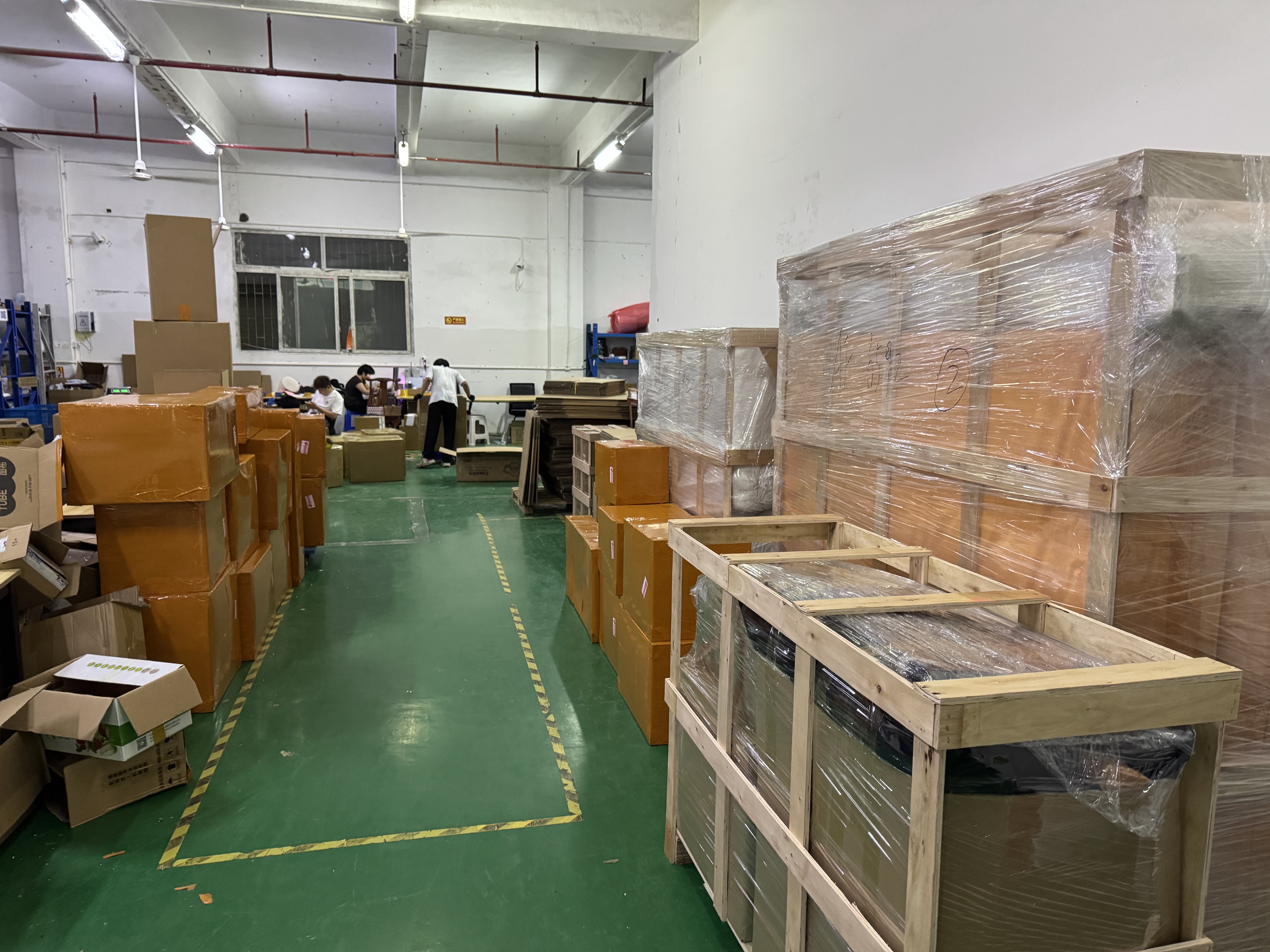
Technology is advancing at a breakneck speed, and the world of cross - border moving is no exception. In 2026, we can expect to see more use of artificial intelligence and blockchain in logistics. AI can help optimize routes, predict delivery times more accurately, and even detect potential problems before they occur.
Blockchain, on the other hand, can enhance transparency and security in the supply chain. For example, it can be used to track the origin and movement of goods, ensuring that they are authentic and comply with all regulations. A Canadian logistics startup has already started using blockchain to track high - value art pieces during cross - border transportation, ensuring their safety and authenticity.
FAQ 2: How can technology improve my cross - border moving experience? Technology can make your cross - border moving much more convenient. With AI - optimized routes, your goods can reach the destination faster. And with blockchain, you can have real - time access to the location and status of your belongings. At [Company Name], we're at the forefront of adopting these technologies to provide you with the best possible moving experience.
III. Economic Factors and Their Influence on Cross - border Moving
Economic factors play a crucial role in cross - border moving. In 2026, the economic relationship between China and Canada will continue to evolve. If the economies of both countries are booming, there will be more business activities and personal migrations, leading to an increase in cross - border moving demand.
However, if there are economic downturns or trade disputes, the demand might decrease. For example, during the trade war in the past, the volume of cross - border shipments between the two countries decreased significantly. According to economic analysts, the exchange rate between the Chinese yuan and the Canadian dollar will also have an impact on the cost of cross - border moving.
FAQ 3: How does the economic situation affect the cost of my cross - border move? When the economy is doing well, there's more demand for cross - border moving services, which can drive up the prices. On the other hand, during an economic slowdown, prices might be more competitive. Also, fluctuations in the exchange rate can directly affect the cost. At [Company Name], we offer a transparent pricing model, so you don't have to worry about hidden costs, regardless of the economic situation.
IV. Environmental Considerations in 2026 Cross - border Moving
Environmental concerns are becoming more and more important in the logistics industry. In 2026, cross - border moving companies will be under more pressure to reduce their carbon footprint. This could lead to more use of electric vehicles for local transportation and the adoption of more sustainable packaging materials.
For example, some shipping companies are already experimenting with biodegradable packaging materials to replace traditional plastic. In addition, there might be more incentives for companies to use renewable energy sources in their warehouses and distribution centers.
FAQ 4: How does [Company Name] address environmental concerns in cross - border moving? At [Company Name], we're committed to being environmentally friendly. We're gradually introducing electric vehicles in our local delivery fleets and using more sustainable packaging materials. We also encourage our customers to choose eco - friendly options when possible. By doing so, we can contribute to a greener planet while providing you with high - quality cross - border moving services.
V. Different Scenarios for Personal and Business Cross - border Moving
Personal Cross - border Moving For individuals moving across the border between China and Canada in 2026, the experience could be very different depending on their circumstances. If you're a student moving to Canada for studies, you might have a relatively small volume of belongings, mainly consisting of clothes, books, and some personal electronics. In this case, air freight might be a good option, as it's fast and can ensure that your items arrive in time for the start of the semester. On the other hand, if you're an immigrant moving with your whole family and a large amount of furniture and household items, sea freight might be more suitable. It's more cost - effective, although it takes longer.
Business Cross - border Moving Businesses also have different needs when it comes to cross - border moving. For small e - commerce businesses, they might need to ship small parcels frequently. In 2026, they could benefit from more efficient customs clearance procedures and faster delivery times. For large manufacturing companies, they might need to move heavy machinery and large quantities of raw materials. In this case, they'll need a logistics partner that can handle complex logistics operations and ensure the safety of their goods.
FAQ 5: What services does [Company Name] offer for personal and business cross - border moving? We have a wide range of services to meet the needs of both personal and business customers. For personal moving, we offer services like packing, shipping, and customs clearance. We can also provide storage solutions if you need them. For businesses, we offer comprehensive logistics services, including inventory management, order fulfillment, and supply chain optimization. No matter what your needs are, we've got you covered.
In conclusion, the 2026 Canadian cross - border moving scene will be shaped by policy changes, technological advancements, economic factors, environmental considerations, and different customer scenarios. By understanding these factors, you can make better decisions when it comes to your cross - border moving needs. And with [Company Name] by your side, you can rest assured that your move will be a success.
