

What Will Be the Future of China-Australia Consolidated Shipping in Different Scenarios in 2026?
The shipping industry between China and Australia has always been dynamic, shaped by various factors like economic policies, trade volumes, and technological advancements. In 2026, different scenarios can unfold, each with a distinct impact on the future of their consolidated shipping.
I. Economic Growth Scenario
Strong Bilateral Economic Growth If 2026 sees robust economic development in both China and Australia, bilateral trade will soar. China is a major importer of Australian minerals, such as iron ore. In 2022, Australia exported around 816 million tons of iron - ore to China, according to official trade data. With continued economic growth, this number could potentially increase by 15 - 20% in 2026.For Australia, Chinese consumer goods, electronics, and machinery are highly in demand. As Australian consumers' purchasing power rises, the intake of Chinese products will go up. For example, Chinese household appliances shipped to Australia might see a 10% growth.
In this scenario, shipping volumes will increase significantly. Container shipping lines will need to add more vessels or increase the frequency of their services. For instance, major shipping companies like Maersk and CMA CGM may introduce new routes or increase the capacity of existing ones between Chinese ports like Shanghai and Australian ports such as Sydney.
Economic Slowdown in One Country
If Australia faces an economic slowdown, its demand for Chinese goods may decline. Australian consumers may cut back on non - essential purchases, and businesses may reduce their imports of machinery and equipment. This could lead to a 5 - 10% drop in shipping volumes of consumer and industrial goods from China to Australia.
On the other hand, if China experiences an economic slowdown, its demand for Australian minerals may also decrease. Iron - ore shipments, for example, could see a decline of about 10 - 15%. Shipping lines would then have to adjust their capacity, perhaps reducing the number of vessels on certain routes or consolidating services.
FAQ: Q: What if there's an economic slowdown? Will the shipping cost change? A: In case of an economic slowdown, shipping volumes usually drop. This can lead to increased competition among shipping lines, resulting in lower shipping costs. At Shengda International Logistics, we closely monitor market trends to offer the most cost - effective solutions even in challenging economic times.
II. Policy and Regulatory Scenario
Favorable Trade Policies In 2026, if both China and Australia introduce more favorable trade policies, such as tariff cuts or simplified customs procedures, it will boost bilateral trade. For example, if the tariff on Australian wine exported to China is reduced, the wine industry in Australia will likely increase exports. In 2021, Australia exported about A$1.28 billion worth of wine to China. With tariff cuts, this figure could increase by 20 - 30% in 2026.Shipping companies will benefit from the increased trade. They may enter long - term contracts with exporters and importers to secure business. For instance, Shengda International Logistics can take advantage of such policies by offering customized shipping solutions for the growing trade in different commodities.
Tightening of Regulations
If new environmental regulations are introduced in 2026, shipping companies will need to comply. For example, regulations may limit the sulfur emissions of ships. This would require shipping lines to either switch to low - sulfur fuels or install exhaust - gas cleaning systems (scrubbers). The cost of compliance can be high, and these costs may be passed on to customers to some extent.
Moreover, if customs regulations become stricter, it could lead to delays at ports. For example, if more detailed inspections are required for certain goods, the time it takes for a container to clear customs can increase from 1 - 2 days to 3 - 5 days. This would affect the overall shipping time and efficiency.
FAQ: Q: How does Shengda International Logistics deal with changing policies and regulations? A: Our team at Shengda International Logistics has over 10 years of experience in international shipping. We stay updated on all policy changes, whether they are trade - related or environmental. We work with our partners to ensure compliance while minimizing the impact on our customers' shipping costs and schedules.
III. Technological Advancement Scenario
Digitalization and Automation By 2026, digitalization and automation in the shipping industry are expected to be more widespread. For example, the use of blockchain technology can improve the transparency and security of shipping documents. With blockchain, the transfer of bills of lading can be done more quickly and securely, reducing the risk of fraud.Automated terminals in ports can increase the efficiency of loading and unloading. For instance, the Port of Brisbane has been gradually implementing automation in its container terminals. This can lead to faster turnaround times for ships, with a potential reduction of ship waiting times from several hours to just an hour or two.
Shengda International Logistics can leverage these technological advancements. Our self - developed intelligent logistics system can integrate with digital platforms, providing real - time tracking of shipments and seamless communication between all parties involved in the shipping process.
New Shipping Technologies
The development of new shipping technologies, such as more fuel - efficient vessels, can also impact China - Australia consolidated shipping in 2026. For example, new ship designs with improved hull shapes and propulsion systems can reduce fuel consumption by 15 - 20%. This would not only be environmentally friendly but also reduce the operational costs of shipping companies.
Additionally, the use of autonomous ships may start to become a reality in some areas. Autonomous ships can operate with fewer crew members, reducing labor costs. However, regulatory and safety issues need to be addressed before widespread adoption.
FAQ: Q: How does technological advancement benefit my shipping with Shengda International Logistics? A: At Shengda, we are always at the forefront of adopting new technologies. Our self - developed logistics system makes the shipping process more transparent, and you can track your shipment at every step. Also, we cooperate with shipping partners who use advanced and fuel - efficient vessels, which can potentially lower your shipping costs.
IV. Geopolitical Scenario
Improved Geopolitical Relations If geopolitical relations between China and Australia improve in 2026, it will have a positive impact on shipping. The two countries will be more likely to engage in more intensive trade cooperation. For example, they may explore new areas of trade, such as in the technology and service sectors. This could lead to an increase in the variety and volume of goods shipped between the two countries.Shipping operations will become more stable. There will be less risk of trade disruptions due to political tensions, which means more reliable schedules for shipping lines and less uncertainty for exporters and importers.
Geopolitical Tensions
On the contrary, if geopolitical tensions rise, there could be additional trade restrictions. For example, there may be limitations on the export of certain strategic goods. This would reduce the trade volume and create challenges for shipping lines. They may need to find alternative routes or change their cargo mix.
Sanctions or restrictions could also lead to higher shipping costs. Insurance costs, for example, may increase due to the higher risk associated with shipping under geopolitical tensions.
FAQ: Q: What if there are geopolitical tensions? How can Shengda help? A: Our experienced team at Shengda International Logistics has dealt with various geopolitical situations. We have contingency plans in place, such as identifying alternative shipping routes and suppliers. We also work to mitigate the impact on your shipping costs and ensure the safety of your goods.
The Bright Spot: Shengda International Logistics
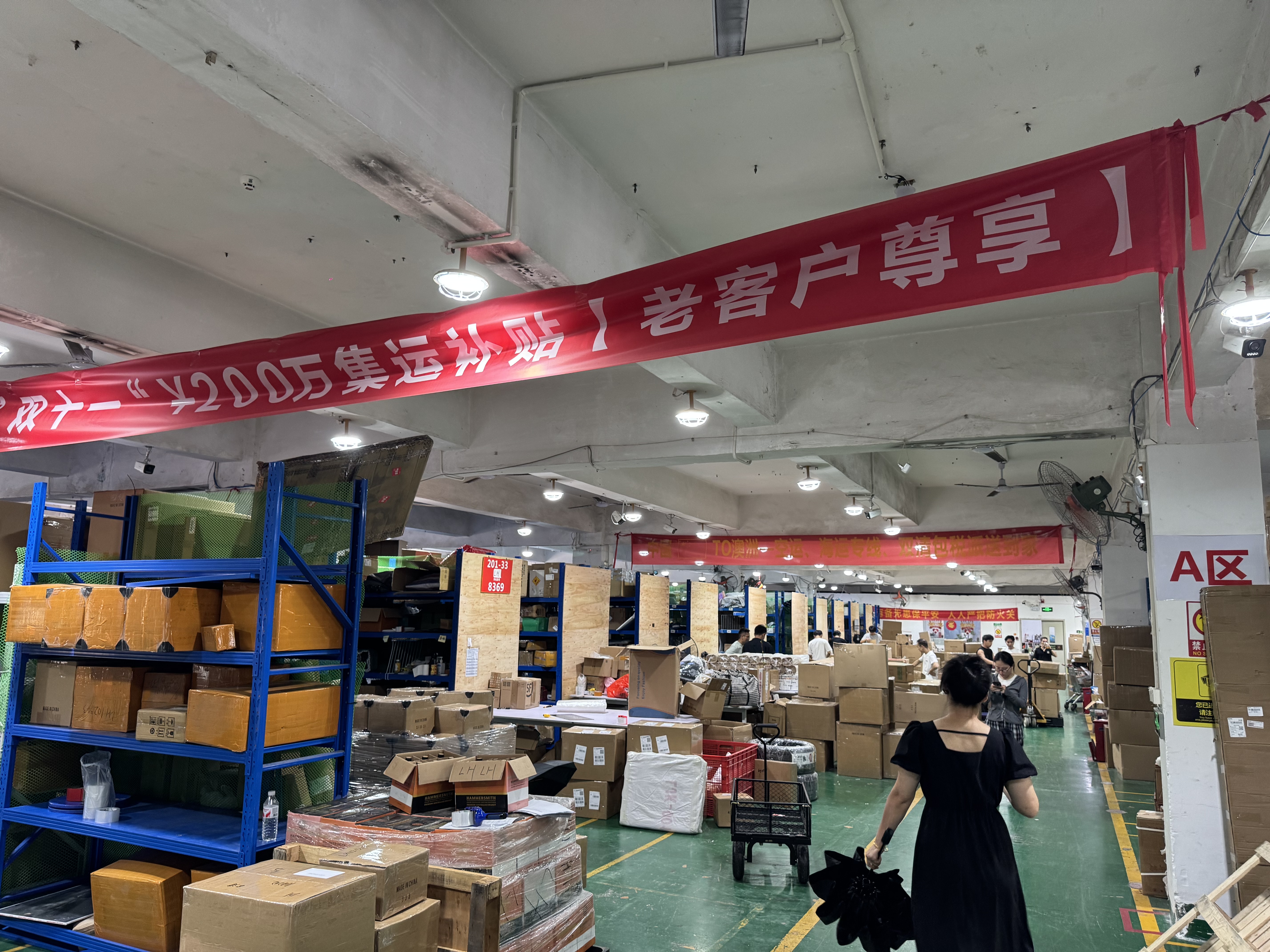
Shengda International Logistics is well - positioned to thrive in these different scenarios in 2026. With its vertical专线深耕, focusing on the China - Australia route, it has in - depth knowledge of local logistics policies and customs standards. Its self - developed logistics system enables full - link autonomous control, providing real - time updates on the shipment status. In terms of cost, it offers a transparent and high - value pricing model. For large - scale shipments, its cubic - based fee calculation significantly reduces the cost compared to traditional kilogram - based methods. And with a 35,000 - square - meter standardized self - operated warehouse in Shenzhen, it ensures high - level security for all goods. Whether the situation is economic growth, policy changes, technological advancements, or geopolitical shifts, Shengda International Logistics stands ready to offer the best shipping solutions for the China - Australia consolidated shipping needs in 2026.
