

What Will Canada's Consolidated Shipping Look Like in Different Scenarios in 2026?
In the ever - evolving realm of international logistics, the year 2026 holds a world of possibilities for Canada's consolidated shipping, especially in the context of the China - Canada and Canada - China trade routes. These routes are crucial in the global trade network, and understanding the potential scenarios can be a game - changer for businesses and individuals involved in cross - border shipping.
I. Policy - Driven Scenarios
Favorable Policy Environment In 2026, if the Chinese and Canadian governments continue to strengthen trade relations and introduce more favorable policies for China - Canada and Canada - China shipping, it will be a huge boost for the shipping industry. For example, reduced tariffs and simplified customs clearance procedures can significantly lower the cost and time for shipping. According to industry reports, a 10% reduction in tariffs can lead to a 15% increase in shipping volume on average.
Case Study: In 2023, a small Canadian e - commerce business was paying around CAD$500 in customs duties for a shipment of Chinese electronics worth CAD$5,000. If the tariffs are cut in 2026, this cost could be reduced by half, making it more profitable for the business to expand its imports.FAQ: "What if I'm worried about customs clearance issues?": With a company like Shengda International Logistics, we have a professional team that is well - versed in the customs regulations of both China and Canada. We have been navigating these policies for years, ensuring a smooth and trouble - free shipping experience. Our in - house customs experts understand the ins and outs of the latest policies, so you don't have to worry about delays or unexpected fees.
Restrictive Policy Changes On the flip side, stricter policies, such as new environmental regulations or tightened security checks, can pose challenges. For instance, if new carbon emission standards are introduced for shipping vessels, it may increase operational costs for shipping companies. A study shows that an additional 20% of fuel costs could be added due to more stringent environmental requirements.
Case Study: A shipping line operating between Canada and China may have to invest in new, more environmentally - friendly vessels or retrofit existing ones, which could cost millions of dollars. This cost will likely be passed on to the customers in the form of higher shipping fees.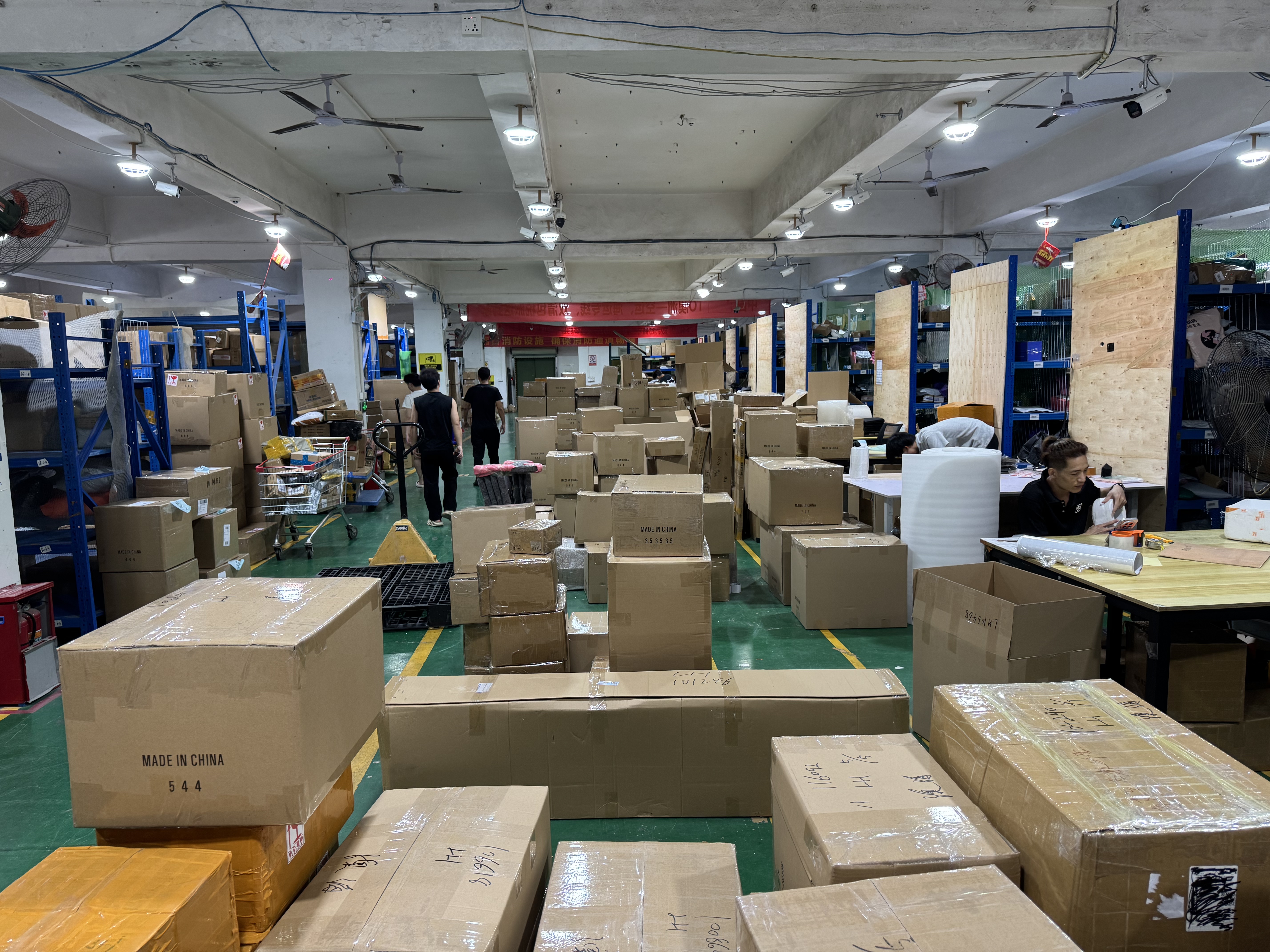
FAQ: "How can I deal with potential cost increases due to policy changes?": Shengda International Logistics has a long - standing relationship with various shipping partners. We can negotiate the best rates for you, even in the face of policy - driven cost increases. Our experience in the industry allows us to find cost - effective solutions and keep your shipping expenses in check.
II. Market - Driven Scenarios
Increased Trade Demand The growth of e - commerce and the expansion of cross - border business are likely to drive up the demand for Canada - China and China - Canada shipping in 2026. Chinese consumers have a growing appetite for Canadian products like seafood, health supplements, and maple syrup, while Canadian buyers are interested in Chinese electronics, clothing, and home goods. According to market research firms, the e - commerce market between the two countries is expected to grow by 25% in the next three years. Case Study: A Canadian maple syrup producer saw a 30% increase in sales to China in 2025. To meet the growing demand, they needed a reliable and efficient shipping partner. Shengda International Logistics was able to handle their shipments, ensuring timely delivery and proper packaging to maintain product quality.FAQ: "Can you handle large - volume shipments?": Absolutely! Shengda International Logistics offers a full - service solution, including our B - to - B focused whole - container shipping service. We can provide 20GP/40GP/40HQ whole - container booking, loading, customs declaration, shipping, customs clearance, and delivery services. This is ideal for businesses that need to ship large volumes of goods, whether it's furniture manufacturers or cross - border e - commerce sellers.
Market Saturation If the market becomes saturated in certain product categories, it may lead to a slowdown in shipping growth. For example, if the demand for Chinese consumer electronics in Canada reaches a peak, the shipping volume of such products may start to decline. A report by a logistics research institute indicates that a market saturation scenario could result in a 5 - 10% drop in shipping volumes in related sectors. Case Study: A shipping company that mainly transports Chinese mobile phones to Canada noticed a leveling - off in demand in 2025, which led to a decrease in their shipping volumes for this particular product.
FAQ: "What if the shipping volume for my product decreases?": Shengda International Logistics offers a diverse range of shipping services and can help you explore new markets or product categories. We have experience in handling different types of goods, from sensitive products like food and cosmetics to oversized items such as furniture. Our team can provide customized solutions to adapt to market fluctuations.
III. Technological Scenarios
Advanced Logistics Technologies In 2026, the adoption of advanced technologies such as blockchain, artificial intelligence, and the Internet of Things (IoT) in logistics will transform the shipping industry. Blockchain can enhance transparency and security in the supply chain, while AI can optimize shipping routes and predict demand more accurately. IoT devices can monitor the condition of goods during transit in real - time. Research suggests that the use of these technologies can reduce shipping delays by 30% and improve supply chain efficiency by 20%. Case Study: A Canadian food exporter using blockchain - based tracking for their shipments to China saw a significant reduction in paperwork and an increase in customer trust. With IoT sensors on their containers, they could monitor temperature and humidity levels, ensuring the quality of their food products throughout the journey.FAQ: "How does your company keep up with the latest technology?": Shengda International Logistics invests in state - of - the - art technology. Our self - developed intelligent consolidation system allows for real - time updates at every logistics node. Customers can easily check the status of their shipments, including storage, packing, transportation, delivery, and receipt. We are also exploring the use of emerging technologies like blockchain and AI to further improve our services.
Technology Adoption Challenges However, the widespread adoption of these technologies is not without challenges. Small and medium - sized shipping companies may struggle to invest in advanced technology due to high costs. There may also be issues with data security and compatibility between different systems. A survey of shipping companies showed that 40% of them cited cost as the main barrier to technology adoption. Case Study: A local Canadian shipping agency wanted to implement IoT devices for tracking but was deterred by the high upfront cost and the need for technical expertise to maintain the system.
FAQ: "What if I'm a small business and can't afford high - tech solutions?": Shengda International Logistics offers a one - stop free value - added service package. We handle the entire shipping process from start to finish, and our technology - driven systems are incorporated into the basic services we provide. You can enjoy the benefits of advanced technology without having to make a large - scale investment on your own.
IV. Competition Scenarios
Intense Competition The shipping market between China and Canada is highly competitive, and this is likely to increase in 2026. Established logistics giants and new entrants are vying for market share. Intense competition can lead to price wars, which are beneficial for consumers but can put pressure on the profitability of shipping companies. A study found that in a highly competitive market, shipping rates can drop by 10 - 15%. Case Study: In 2024, a new shipping company entered the China - Canada market, offering extremely low rates. This forced existing players to adjust their prices to stay competitive.FAQ: "How can I get the best shipping rates in a competitive market?": Shengda International Logistics has a strong negotiating position with our shipping partners due to our large - scale business volume. We can offer you highly competitive rates without compromising on service quality. Our transparent pricing system means you know exactly what you're paying for, with no hidden fees.
Collaboration and Consolidation On the other hand, we may also see more collaboration and consolidation among shipping companies in 2026. Mergers and alliances can lead to economies of scale, better resource allocation, and improved service offerings. For example, two medium - sized shipping companies in the Canada - China route may merge to form a larger, more competitive entity. Case Study: In 2025, two shipping companies combined their operations, which allowed them to expand their service coverage and offer more direct shipping routes between Canada and China.
FAQ: "How does your company stand out in a market with collaborations and consolidations?": Shengda International Logistics has its own unique advantages. We focus on vertical routes, deeply understanding the local logistics policies and customs standards of Canada and China. Our in - house operations, from warehousing to delivery, ensure full - chain control and high - quality service. We can offer customized solutions that larger, more generalized mergers might not be able to provide.
In conclusion, the landscape of Canada's consolidated shipping in 2026 is full of uncertainties and opportunities. Whether it's policy changes, market trends, technological advancements, or competition, being aware of these scenarios and having a reliable shipping partner like Shengda International Logistics can make a significant difference in your cross - border shipping experience.
