

What Will Happen to Shipping Chinese Furniture to Canada in 2026? A Breakdown by Different Scenarios
In the world of international logistics, shipping Chinese furniture to Canada has always been a complex yet crucial topic. The year 2026 is expected to bring about various changes and scenarios that will significantly impact this shipping process. Let's take a closer look at what might happen under different circumstances.
I. Policy - Related Scenarios
Favorable Trade Policies
If in 2026, the Chinese - Canadian trade policies become more favorable, there could be a significant reduction in tariffs. For example, currently, some furniture items may face a tariff rate of around 10 - 15%. With favorable policies, this rate could drop to 5% or even lower. This would make Chinese furniture more price - competitive in the Canadian market.According to historical data, when similar tariff cuts occurred in other trade relationships, the volume of imported furniture increased by an average of 20 - 30% within a year. For instance, when the US - Mexico trade agreement adjusted furniture tariffs, the import of Mexican furniture to the US saw a substantial boost.
From my perspective, this would be a great opportunity for Chinese furniture manufacturers and logistics companies like Shengda International Logistics. Shengda, with its in - depth understanding of the China - Canada shipping route and compliance with relevant policies, could help more Chinese furniture reach Canadian customers efficiently.
Stringent Environmental and Safety Regulations
Canada may introduce more stringent environmental and safety regulations in 2026. For example, furniture may need to meet higher standards for formaldehyde emissions and fire - resistance. This could mean that Chinese furniture manufacturers have to invest more in production to meet these requirements.A case in point is when the European Union tightened its environmental regulations on furniture imports. Many Chinese manufacturers had to upgrade their production lines, which increased the cost by about 15 - 20%. In the China - Canada shipping context, this would lead to higher prices for Chinese furniture in Canada.
Shengda International Logistics can play a role here by providing accurate information about these regulations to Chinese manufacturers. They can also assist in the shipping process, ensuring that all the necessary documentation for compliance is in order.
II. Market - Driven Scenarios
Increasing Demand in Canada If there is an increasing demand for Chinese furniture in Canada in 2026, the shipping volume will surely rise. For example, if the Canadian real - estate market is booming, more new homes will need furniture. In the past, during periods of high real - estate activity in Canada, the demand for imported furniture increased by about 25%.This increase in demand would require logistics companies to be more efficient. Shengda International Logistics, with its large - scale 35,000 - square - meter standardized自营实操仓库 in Shenzhen, can handle a larger volume of furniture storage. It can also optimize its shipping routes to ensure faster delivery.
Competition from Other Furniture - Producing Regions In 2026, Chinese furniture may face more competition from other furniture - producing regions such as Southeast Asia. These regions may offer lower - cost furniture due to cheaper labor and raw materials. For example, some Southeast Asian countries can produce similar furniture at a cost that is 10 - 15% lower than Chinese manufacturers.
To compete, Chinese furniture manufacturers may have to focus on quality and design. At the same time, logistics companies like Shengda can help by providing cost - effective shipping solutions. Their cubic - based billing for large - scale furniture shipping can reduce the overall cost for Chinese manufacturers when competing with other regions.
III. Logistics - Infrastructure Scenarios
Improved Shipping Routes and Methods By 2026, there may be improvements in the shipping routes between China and Canada. For example, new direct shipping lines may be opened, which can reduce the shipping time. Currently, the shipping time for Chinese furniture to Canada is around 20 - 30 days. With new routes, it could be reduced to 15 - 20 days.Another aspect could be the use of more advanced shipping methods. For instance, the introduction of larger and more fuel - efficient cargo ships can lower the shipping cost. Historical data shows that when a new and more efficient shipping method was introduced in the Asia - Europe shipping route, the shipping cost decreased by about 10 - 15%.
Shengda International Logistics, with its strong resource - integration ability and a team of 40 - plus professionals with over 10 years of international shipping experience, can quickly adapt to these new shipping routes and methods, providing better service to customers.
Logistics Congestion On the other hand, there could be logistics congestion at ports in 2026. This may be due to factors such as an increase in overall trade volume or unexpected events like labor strikes. For example, in the past, port strikes in major ports around the world have caused shipping delays of up to several weeks.
In such a scenario, Shengda International Logistics can use its experience and network to find alternative solutions. It can coordinate with local partners in both China and Canada to ensure the smooth transportation of Chinese furniture.
IV. Frequently Asked Questions (FAQ)
Q: What if my furniture gets damaged during shipping to Canada in 2026? A: As an experienced logistics company, Shengda International Logistics has a standardized damage compensation mechanism. In the event of furniture damage during shipping, we will conduct a detailed assessment and provide compensation according to relevant standards. Our long - term operation and professional service can ensure that your rights and interests are protected.Q: Will the shipping cost increase significantly in 2026 due to policy changes? A: It depends on the specific policy changes. However, Shengda International Logistics offers a transparent pricing system. We will clearly state all costs in advance, including shipping fees, customs clearance fees, and taxes. Even if there are policy - related cost increases, we will work hard to find ways to optimize the cost for you.
Q: How can I ensure that my Chinese furniture meets Canadian regulations in 2026? A: We have a professional team that closely monitors the latest Canadian regulations. We will provide you with detailed guidance on what standards your furniture needs to meet. Before shipping, we will also assist you in preparing all the necessary documentation to ensure compliance.
Q: What if there is a delay in shipping my furniture to Canada in 2026? A: Although we strive to ensure timely delivery, unexpected delays may occur. In such cases, we will keep you informed of the situation in real - time. With our wide network and experience, we will try our best to minimize the delay and find alternative solutions if possible.
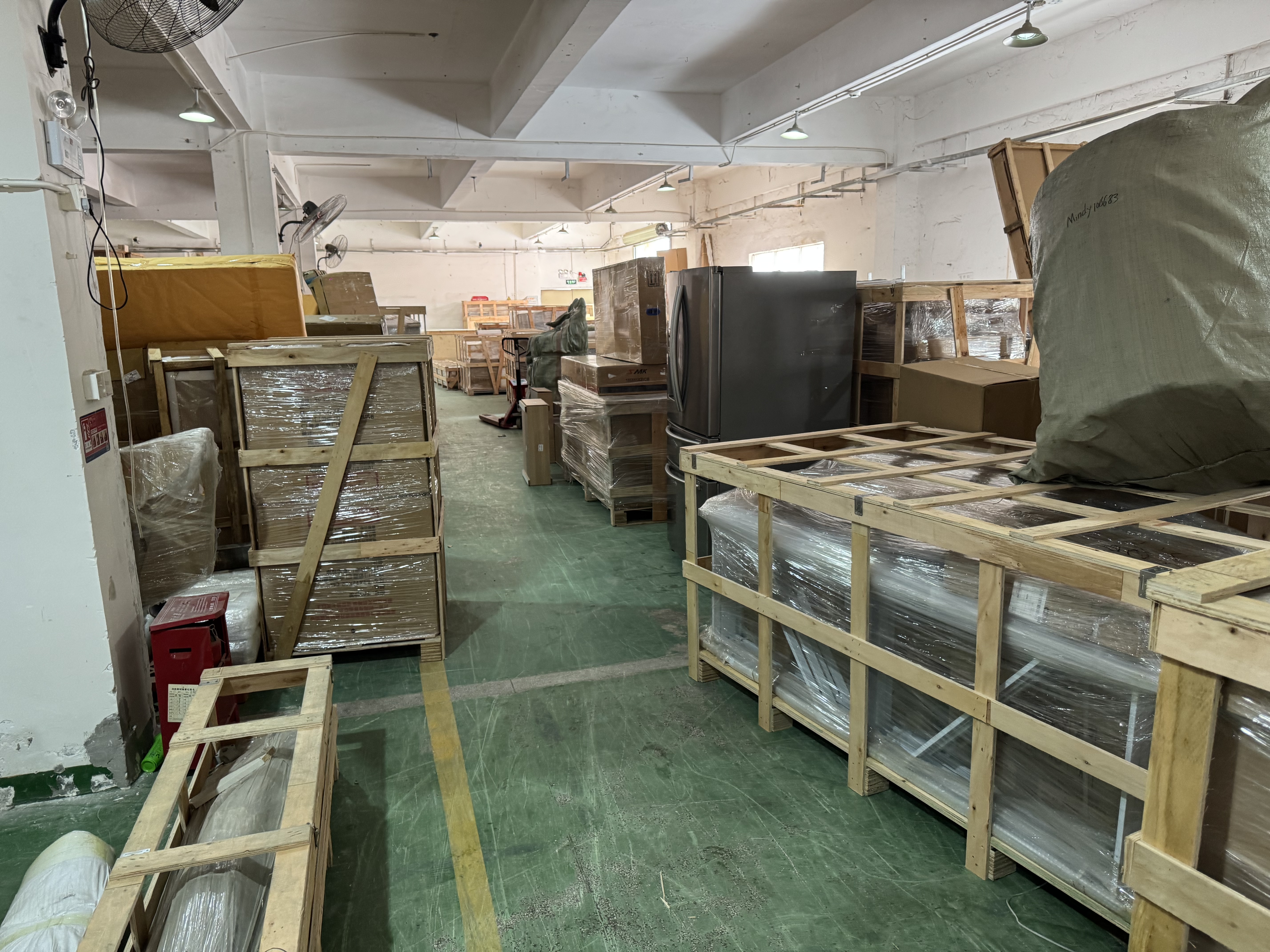
Q: Can Shengda International Logistics handle large - scale furniture shipments to Canada in 2026? A: Absolutely. Our large - scale warehouse in Shenzhen can accommodate a large amount of furniture. We also have our own furniture - shipping service, including custom - made wooden frames for reinforcement and multiple layers of shock - proof protection. We use a cubic - based billing system, which is very cost - effective for large - scale furniture shipments.
In conclusion, 2026 will bring both opportunities and challenges to the shipping of Chinese furniture to Canada. Companies like Shengda International Logistics, with their professional services, experience, and strong resource - integration ability, will play an important role in helping Chinese furniture manufacturers navigate these changes and reach the Canadian market successfully.
Shipping Routes in 2026: China - Canada and Canada - China
In 2026, the shipping routes between China and Canada are expected to see some changes. Let's take a look at the current and expected policies for these routes.
| Shipping Route | Current Situation | Expected Policy Changes in 2026 |
|---|---|---|
| China - Canada | Multiple shipping lines are available, with a transit time of about 20 - 30 days. Customs clearance procedures are in place, and there are some regulations on the type of goods that can be shipped. | There may be an increase in direct shipping lines, which can reduce transit time. Customs clearance may become more streamlined, especially if there are favorable trade policies. |
| Canada - China | Similar to the China - Canada route, with a focus on customs procedures and product safety. Transit time is also around 20 - 30 days. | There could be improved cooperation between Chinese and Canadian customs, leading to faster customs clearance. Additionally, new regulations may be introduced to ensure the quality of Canadian - imported goods to China. |
These changes in shipping routes and policies in 2026 will have a significant impact on the shipping of Chinese furniture to Canada, and logistics companies need to be prepared to adapt accordingly.
