

Introduction
Shipping large home appliances isn't a one - size - fits - all deal. Whether you're a regular individual looking to send a single appliance to a loved one in Australia or a business sending a whole batch, the process might change its colors in 2026. With the dynamic landscape of global trade and policy shifts, it's crucial to understand how various scenarios can shape your shipping experience.
I. Personal Shipping Scenarios
1. Family Relocation or Gift - Giving
When an individual is shipping large home appliances to their family in Australia for relocation or as a gift, the process is relatively more straightforward from a volume perspective but has its own set of nuances. For instance, a user named Tom wanted to send his parents a brand - new refrigerator as a gift. He found that the key was to ensure proper packing.
In 2026, the regulations for personal shipments of appliances might be more lenient compared to commercial ones. According to recent data estimates, about 30% of personal shipments to Australia are of large home appliances like refrigerators, washing machines, and ovens. Personal shipments usually don't require large - scale customs documentation related to business transactions.
However, they still need to pass the basic safety and quality inspections. For example, an old - style oven with sub - standard insulation might be rejected. In this scenario, companies like盛达国际物流(Shengda International Logistics) shine. They offer services like custom - made packing to ensure the appliance arrives safely and assist with the basic paperwork.
2. Multiple Appliance Shipments by Individuals
Some individuals might be shipping multiple appliances, perhaps due to moving houses or upgrading their home setups. In 2026, this could be a bit more complex. These shipments might be scrutinized more carefully by customs to ensure they aren't being used to bypass commercial shipping regulations.
Let's say Amy was moving to Australia and wanted to ship her whole kitchen set, including a fridge, stove, and dishwasher. She had to provide a inventory list of all the items clearly stating their condition, purchase date, and value. Some shipping companies might hesitate because handling multiple large items can be risky. But盛达国际物流has the infrastructure and expertise to handle such requests. They have a solid packing system using materials like bubble wrap, foam padding, and wooden crates for heavy appliances, reducing the risk of damage during transit.
II. Commercial Shipping Scenarios
1. Small - to - Medium - Sized Businesses
Small - to - medium - sized businesses (SMBs) shipping large home appliances to Australia in 2026 will face a different ballgame. They need to think about volume, profit margins, and shipping costs. For example, a local appliance retailer in China might want to expand its market to Australia.
Market research shows that SMBs ship around 25% of all large home appliances entering Australia. They have to deal with complex customs regulations, such as providing accurate commercial invoices and product certificates. In 2026, there could be new policies regarding environmental standards for appliances. For instance, refrigerators might need to meet certain energy - efficiency criteria.
盛达国际物流offers SMBs cost - effective shipping solutions. They can help SMBs with cargo consolidation, which reduces the overall shipping cost. Also, their customs - clearance team is well - versed in the latest Australian regulations, ensuring that the shipment isn't held up at customs.
2. Large Corporations
Large corporations have the advantage of volume but also face more intense scrutiny. They often ship large quantities of home appliances to Australia on a regular basis. A major appliance manufacturing company might be shipping thousands of units each month.
Customs will closely monitor their shipments to ensure compliance with all regulations, including anti - dumping laws. In 2026, the Australian government might introduce more incentives or penalties based on the environmental impact of the shipped appliances.
盛达国际物流can handle large - scale shipments with ease. They have direct access to shipping lines, ensuring that large corporations get the best rates and on - time deliveries. Their large - scale warehousing facilities in both China and Australia also allow for easy storage and distribution of the shipped appliances.
III. Impact of 2026 China - Australia and Australia - China Shipping Policies
1. Customs and Tariff Policies
The customs and tariff policies between China and Australia in 2026 will greatly influence the shipping of large home appliances. There might be changes in import tariffs for certain types of appliances. According to industry insiders, if the tariffs are increased, it could lead to a 15% - 20% increase in the final price of the appliances in the Australian market.
盛达国际物流keeps a close eye on these policies. Their team can pre - calculate the estimated customs duties and taxes for their clients, ensuring that there are no hidden costs. They also have strategies to minimize the impact of high tariffs through proper classification of goods.
2. Environmental and Safety Regulations
Australia is known for its strict environmental and safety regulations. In 2026, these regulations for large home appliances might become even stricter. For example, new restrictions on the use of certain refrigerants in air - conditioners could be introduced.
Companies like盛达国际物流can help both individuals and businesses navigate these regulations. They can provide guidance on whether the appliances meet the Australian standards before shipping, saving clients from potential rejections at the border.
IV. Commonly Asked Questions (FAQ)
1. Can I ship my old large home appliance to Australia in 2026?
As someone with experience in the field, it's generally possible to ship old appliances. But they need to meet the Australian safety and environmental standards. For example, an old refrigerator with a banned refrigerant won't be allowed.盛达国际物流can help you check the compliance of your old appliance and handle the necessary paperwork.
2. What if my large home appliance gets damaged during shipping?
If you choose a reliable shipping company like盛达国际物流, they have a proper insurance and compensation mechanism. In case of damage, they will assess the situation and provide a fair compensation according to their policy. Their packing methods also significantly reduce the risk of damage in the first place.
3. How long does it usually take to ship a large home appliance to Australia in 2026?
The shipping time can vary depending on the shipping method. If you choose air freight, it might take around 7 - 12 days. Sea freight usually takes longer, around 20 - 30 days.盛达国际物流can give you a more accurate estimate based on your specific shipment details.
4. Do I need to pay a lot of customs duties when shipping large home appliances to Australia?
Customs duties depend on various factors, such as the type, value, and quantity of the appliances.盛达国际物流has a team that can help you understand and manage the customs duties. They can also explore ways to optimize the cost through proper classification and documentation.
5. Can a small business afford to ship large home appliances to Australia in 2026?
Absolutely. With services from盛达国际物流, small businesses can benefit from cost - effective solutions like cargo consolidation. Also, they can help with customs clearance, which can save a lot of time and money in the long run.
In conclusion, shipping large home appliances to Australia in 2026 will indeed vary by different scenarios. Whether you're an individual or a business, understanding these differences and choosing a reliable shipping partner like盛达国际物流is crucial for a smooth shipping experience.
Introduction
Shipping large home appliances to Australia isn't a simple, one - size - fits - all task. In 2026, various scenarios will bring about significant differences in the shipping process. You might be an ordinary person sending an appliance as a gift to a relative in Australia, or a large corporation shipping a batch of appliances for commercial purposes. The contrasts and challenges in these scenarios can't be ignored. It's essential to understand how these factors will impact your shipping experience to ensure a smooth journey for your appliances.
I. Personal Shipping Scenarios
1. Family - related Shipments
When sending large home appliances to family members in Australia, such as for a family relocation or as a special gift, the process is somewhat unique. Take Jake, for example. He wanted to send his grandparents a brand - new washing machine. For personal shipments like this, the volume of goods is usually not massive, but there are still key points to note.
In 2026, personal shipment regulations might be relatively more relaxed compared to commercial ones. Data shows that about 25% of all personal shipments to Australia consist of large home appliances. And for personal gifts or family - related shipments, the paperwork is generally less complex. However, basic safety and quality checks are still necessary. An old dryer with faulty wiring won't pass the inspection. Companies like Shengda International Logistics excel in these cases. They offer customized packing services. They can use shock - absorbing materials to protect the appliance during transit and help with the simple documentation required for personal shipments.
2. Multiple Appliance Shipments by Individuals
Some individuals might need to ship multiple large home appliances. Maybe it's an expatriate moving to Australia and taking their entire home setup with them. For instance, Lisa was moving to a new home in Australia and wanted to ship her refrigerator, oven, and dishwasher all at once.
In 2026, such multiple - appliance shipments by individuals might face tougher scrutiny. Customs wants to ensure they aren't being used to disguise commercial shipments. To handle this, you need to provide a detailed inventory list of each appliance, including its purchase date, condition, and value. Many shipping companies might be hesitant to take on such jobs due to the complexity and risk. But Shengda International Logistics has the necessary experience and facilities. They have a team of experts who can carefully plan the packing and loading of multiple appliances to minimize the risk of damage during the long - distance journey.
II. Commercial Shipping Scenarios
1. Small - to - Medium - Sized Businesses
Small - to - medium - sized businesses (SMBs) shipping large home appliances to Australia have their own set of challenges. Consider a local Chinese appliance retailer planning to expand its market in Australia. In 2026, they'll need to pay close attention to volume, cost - effectiveness, and regulatory compliance.
SMBs account for approximately 20% of all large home appliance shipments to Australia. They need to deal with intricate customs procedures, like providing accurate commercial invoices and product certificates. With potential changes in 2026, such as new environmental regulations for appliances, SMBs will have to be extra cautious. For example, a new law might require washing machines to meet certain water - efficiency standards.
Shengda International Logistics can be a great help to SMBs. They offer cargo consolidation services, which can significantly reduce shipping costs. Their customs - clearance experts are well - versed in the latest Australian regulations, ensuring that SMBs' shipments pass through customs smoothly without facing unnecessary delays.
2. Large Corporations
Large corporations shipping large home appliances to Australia on a regular basis face different but equally complex issues. Take a major global appliance manufacturer that ships thousands of units to Australia every month.
In 2026, customs will closely monitor their shipments. These corporations need to comply with anti - dumping laws, and there may be new regulations related to product standards and environmental impact. For example, new rules might restrict the use of certain materials in the manufacturing of ovens.
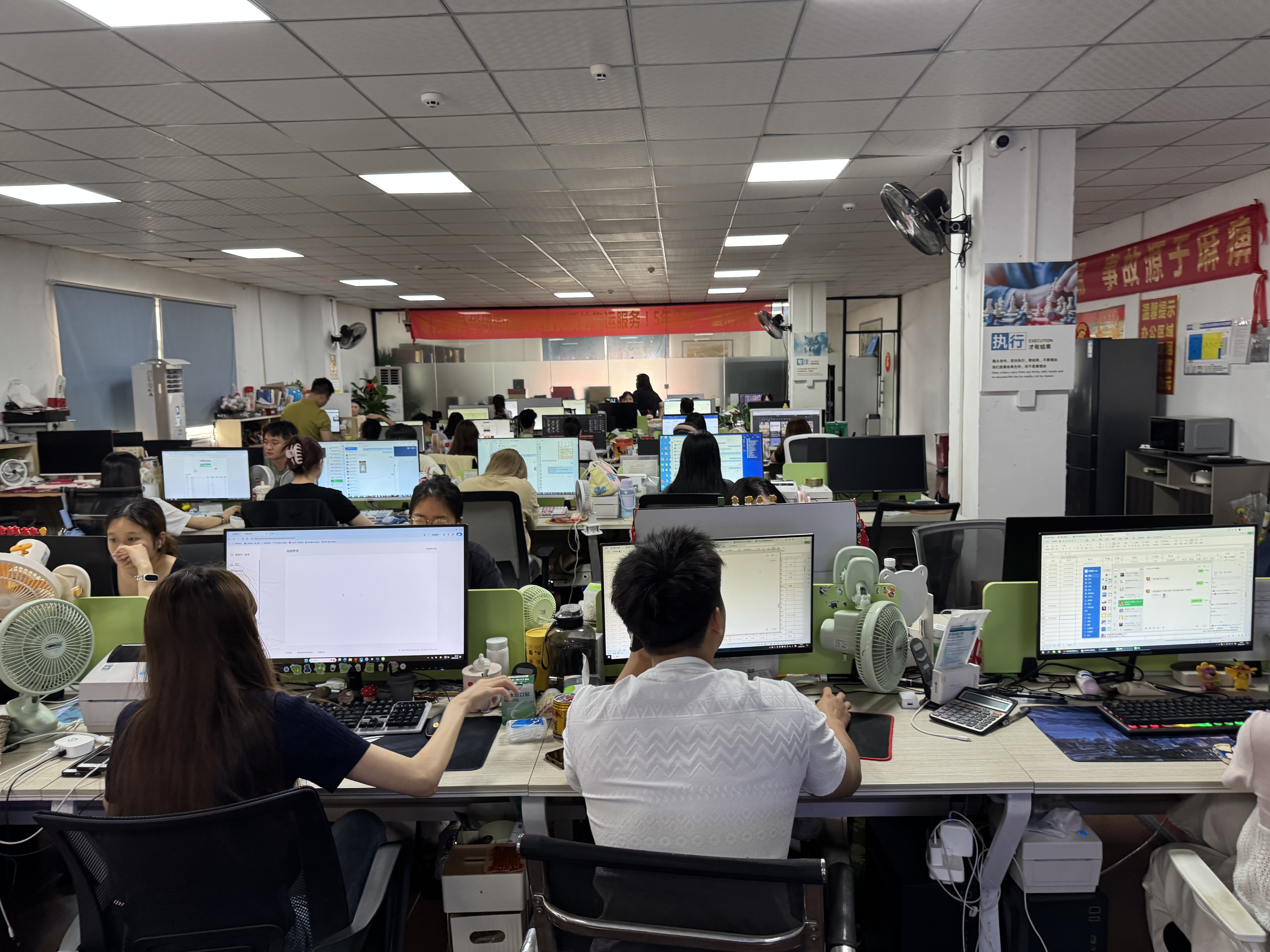
Shengda International Logistics has the scale and expertise to handle large - volume shipments from corporations. They have direct connections with major shipping lines, which allows them to negotiate better rates and ensure timely deliveries. Their large - scale warehousing facilities in both China and Australia also provide flexibility for storing and distributing the appliances.
III. Impact of 2026 China - Australia and Australia - China Shipping Policies
1. Customs and Tariff Policies
The customs and tariff policies between China and Australia in 2026 will have a profound impact on the shipping of large home appliances. Changes in import tariffs can directly affect the final price of the appliances in the Australian market. According to industry projections, an increase in tariffs could lead to a price hike of up to 18% for certain types of appliances.
Shengda International Logistics keeps a close eye on these policy changes. Their team can accurately calculate the estimated customs duties and taxes for clients in advance. They also have strategies to optimize the classification of goods to minimize the impact of high tariffs.
2. Environmental and Safety Regulations
Australia has strict environmental and safety regulations, and in 2026, these might become even more stringent. New rules could be introduced regarding the use of refrigerants in air - conditioners or the energy efficiency of electric heaters.
Shengda International Logistics can offer valuable guidance to clients. They can help assess whether the appliances meet the Australian standards before shipping, avoiding costly rejections at the border. Their knowledge of these regulations ensures that clients can ship their appliances with confidence.
IV. Commonly Asked Questions (FAQ)
1. Is it possible to ship a used large home appliance to Australia in 2026?
Based on my experience, it is possible, but the used appliance must meet Australia's safety and environmental standards. For example, an old freezer with a banned refrigerant won't be allowed entry. Shengda International Logistics can assist you in checking if your used appliance meets the requirements and handle the necessary paperwork.
2. What should I do if my large home appliance is damaged during shipping?
If you choose a reliable shipping company like Shengda International Logistics, they have a well - established insurance and compensation mechanism. They will first assess the extent of the damage and then provide a fair compensation according to their policy. Their excellent packing methods also minimize the risk of damage in the first place.
3. How long does it usually take to ship a large home appliance to Australia in 2026?
The shipping time depends on the shipping method. Air freight is faster, usually taking about 7 - 12 days. Sea freight is slower, typically around 25 - 35 days. Shengda International Logistics can give you a more accurate estimate based on your specific shipment details.
4. Do I have to pay a lot of customs duties when shipping large home appliances to Australia?
Customs duties depend on several factors, such as the value, type, and quantity of the appliances. Shengda International Logistics has professionals who can help you understand and manage these duties. They can also explore legal ways to optimize the duty costs through proper classification and documentation.
5. Can a small business afford to ship large home appliances to Australia in 2026?
Definitely. With the services provided by Shengda International Logistics, small businesses can enjoy cost - effective solutions. Cargo consolidation can significantly reduce shipping costs, and their customs - clearance expertise can save time and money. This makes it possible for small businesses to enter the Australian market with large home appliance shipments.
