

Unveiling the Mysterious World of 2026 Full Container Shipping Costs to Canada
Shipping goods to Canada is a vital part of international trade, yet the costs can be as unpredictable as the tides. In 2026, various scenarios will play significant roles in determining the full container shipping costs to Canada. Let's embark on this exploration to understand what lies ahead.
I. Market Conditions Impact
Supply and Demand Balance: In 2026, if the demand for shipping to Canada from China surges, say due to a boom in Canadian consumption of Chinese - made goods, container prices are likely to skyrocket. For example, in 2021 - 2022, the global shipping market faced a severe container shortage. The demand from North America exceeded the available supply of containers, and the cost of a 20 - foot container from China to Canada climbed up to $6000 - $8000, while usually, it would be in the range of $2000 - $3000. If a similar imbalance occurs in 2026, expect costs to be heavily influenced.On the flip side, if there is an oversupply of containers due to new ship deliveries and a slowdown in trade between China and Canada, prices will drop substantially. The shipping industry has seen cycles like this before, where an influx of new capacity flooded the market and brought down costs.
Economic Conditions: Canada's economic growth in 2026 will have a direct impact on shipping costs. A strong Canadian economy means more consumer spending, leading to higher import volumes. This increased demand for shipping will push up the costs. For instance, when Canada's GDP grew by 3% in 2017, the shipping industry saw a corresponding increase in container freight rates for imports.
On the other hand, if there is a recession in Canada or globally, trade volumes will shrink, and shipping companies will have to lower their prices to attract customers.
II. Regulatory Changes
Canada - China Trade Policies: In 2026, new trade agreements or policies between Canada and China can either promote or restrict trade. If a new free - trade agreement is reached, it may lead to an increase in trade volumes, and shipping companies may adjust their rates based on the expected higher demand. For example, the signing of the Canada - South Korea Free Trade Agreement in 2015 led to a 30% increase in trade between the two countries within the first two years, which also affected shipping costs on that route.Conversely, if there are new tariffs or trade restrictions, the volume of goods shipped will decrease, and shipping costs may fall as shipping companies try to compete for the remaining business.
Environmental Regulations: More stringent environmental regulations in Canada and globally are likely to be in place by 2026. Shipping companies may need to invest in more eco - friendly vessels or use cleaner fuels. These additional costs will be passed on to shippers. For example, when the International Maritime Organization (IMO) implemented the 2020 sulfur cap regulation, shipping costs increased by an average of 10 - 15% as companies switched to low - sulfur fuels.
III. Shipping Route and Logistics
Direct vs. Transshipment Routes: Direct routes to Canada from China usually offer faster transit times but can be more expensive. In 2026, if more direct routes are available, it may lead to a price war among shipping lines, potentially reducing costs for shippers. For example, if a new direct route from Shanghai to Vancouver is opened, it may attract more shippers and force existing carriers to lower their prices.Transshipment routes, on the other hand, are often cheaper but take longer. However, if there are delays at transshipment ports due to congestion or labor strikes, the overall cost may increase due to additional storage and handling charges.
Port Conditions in Canada: The efficiency and capacity of Canadian ports in 2026 will affect shipping costs. Ports like Vancouver and Montreal are major gateways for goods from China. If these ports invest in infrastructure improvements and streamline their operations, it can reduce shipping costs. For example, a port that can handle more containers per day with fewer delays will attract more shipping lines and potentially lower rates.
However, if there are port strikes or labor disputes, it can disrupt the shipping schedule and increase costs for shippers. In 2015, a labor strike at West Coast ports in the United States led to significant delays and cost increases for shippers on that route.
IV. Seasonal Fluctuations
Peak Shipping Seasons: The holiday seasons in Canada, such as Christmas and Thanksgiving, are peak shipping seasons. In 2026, during these times, the demand for shipping containers will be high, and prices will likely surge. For instance, from September - November before Christmas, the cost of shipping containers to Canada can increase by 15 - 20% compared to off - peak months.Weather - Related Disruptions: Harsh weather conditions, like winter storms in Canada, can disrupt shipping schedules. Shipping companies may need to adjust their routes or wait for the weather to clear, which can lead to additional costs. In the winter months in Canada, ice - covered ports and rough seas can cause delays and increase shipping costs.
FAQ
Q1: How can I get an accurate quote for full - container shipping to Canada in 2026 with [盛达国际物流]? A: [盛达国际物流] has a team of experts who are well - versed in the latest market trends and regulatory changes. We can provide you with a customized quote based on your specific shipping requirements, such as the size of the container, the shipping route, and the expected shipping time in 2026. Our long - standing experience in the industry and deep understanding of the Canada - China trade dynamics ensure that you get an accurate and competitive quote.Q2: Will [盛达国际物流] be able to handle unexpected cost increases due to regulatory changes in 2026? A: Absolutely. [盛达国际物流] keeps a close eye on all regulatory changes, whether they are trade - related or environmental. Our team is proactive in adapting to new policies and regulations. In case of unexpected cost increases, we work with our clients to find alternative solutions, such as optimizing shipping routes or adjusting the shipping schedule, to minimize the impact on your overall shipping costs.
Q3: Can [盛达国际物流] guarantee on - time delivery despite seasonal fluctuations in 2026? A: While seasonal fluctuations can pose challenges, [盛达国际物流] has a well - established logistics network and contingency plans. We have long - term partnerships with shipping lines and ports in Canada, which allows us to secure space on vessels and ensure smooth operations during peak seasons. Although we cannot guarantee 100% on - time delivery in extreme circumstances, we will do our best to minimize delays and keep you informed throughout the shipping process.
Q4: Does [盛达国际物流] offer any value - added services to make full - container shipping to Canada more cost - effective in 2026? A: Yes, [盛达国际物流] offers a range of value - added services. We can help with packaging optimization to reduce the size of your shipment, which may lower the overall shipping cost. Additionally, our warehousing services in both China and Canada can allow you to store your goods strategically and schedule shipments at the most cost - effective times. Our team can also assist with customs clearance, ensuring that your goods move through the process smoothly and you avoid any unnecessary fines or delays.
In conclusion, the full - container shipping costs to Canada in 2026 will be influenced by a multitude of factors. Staying informed about market conditions, regulatory changes, and the capabilities of reliable logistics partners like [盛达国际物流] will be crucial for businesses and individuals shipping goods to Canada.
Unveiling the Mysterious World of 2026 Full Container Shipping Costs to Canada
Shipping goods to Canada is a vital part of international trade, yet the costs can be as unpredictable as the tides. In 2026, various scenarios will play significant roles in determining the full container shipping costs to Canada. Let's embark on this exploration to understand what lies ahead.
I. Market Conditions Impact
Supply and Demand Balance: In 2026, if the demand for shipping to Canada from China surges, say due to a boom in Canadian consumption of Chinese - made goods, container prices are likely to skyrocket. For example, in 2021 - 2022, the global shipping market faced a severe container shortage. The demand from North America exceeded the available supply of containers, and the cost of a 20 - foot container from China to Canada climbed up to $6000 - $8000, while usually, it would be in the range of $2000 - $3000. If a similar imbalance occurs in 2026, expect costs to be heavily influenced.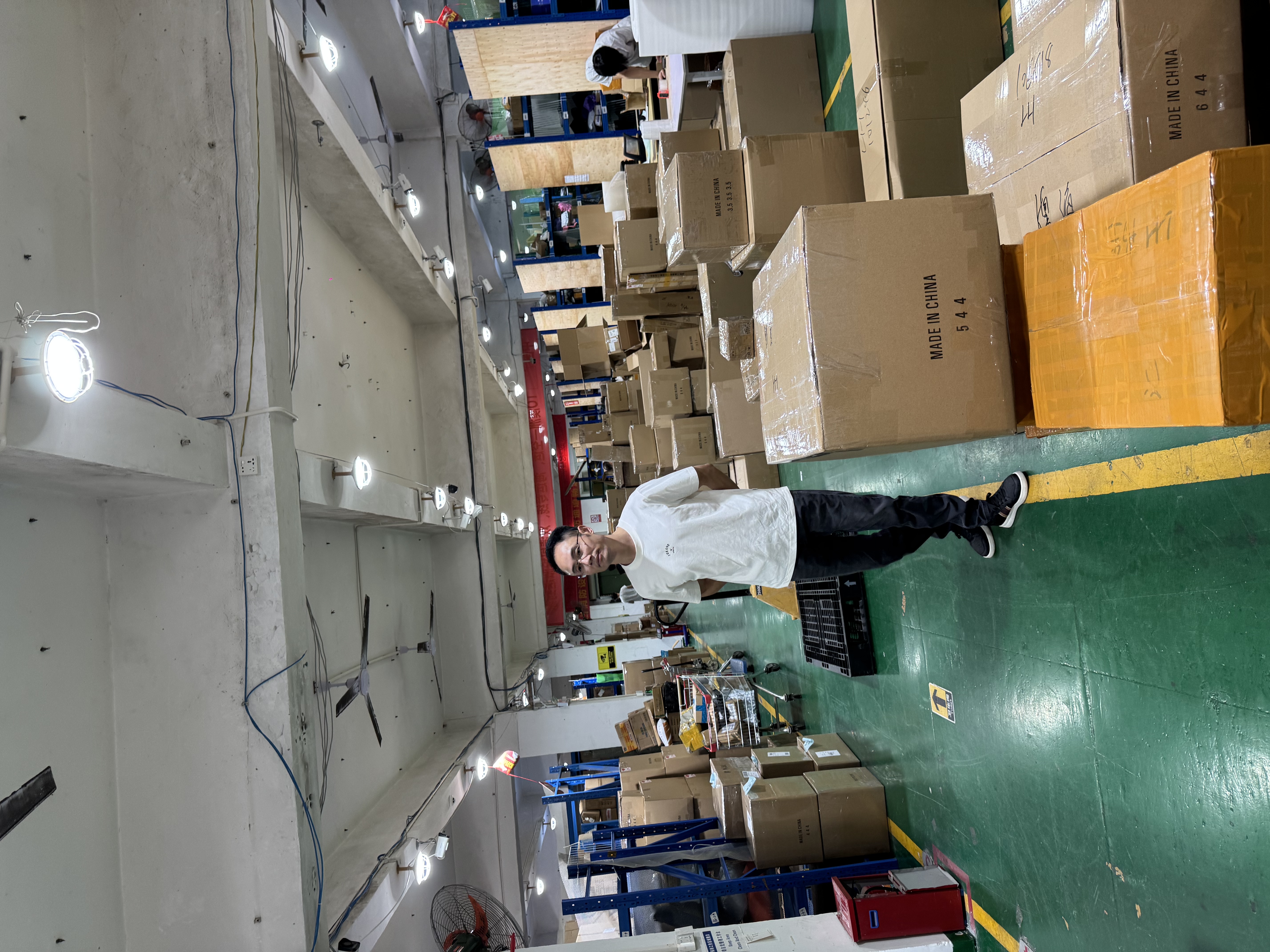
Economic Conditions: Canada's economic growth in 2026 will have a direct impact on shipping costs. A strong Canadian economy means more consumer spending, leading to higher import volumes. This increased demand for shipping will push up the costs. For instance, when Canada's GDP grew by 3% in 2017, the shipping industry saw a corresponding increase in container freight rates for imports.
On the other hand, if there is a recession in Canada or globally, trade volumes will shrink, and shipping companies will have to lower their prices to attract customers.
II. Regulatory Changes
Canada - China Trade Policies: In 2026, new trade agreements or policies between Canada and China can either promote or restrict trade. If a new free - trade agreement is reached, it may lead to an increase in trade volumes, and shipping companies may adjust their rates based on the expected higher demand. For example, the signing of the Canada - South Korea Free Trade Agreement in 2015 led to a 30% increase in trade between the two countries within the first two years, which also affected shipping costs on that route.Conversely, if there are new tariffs or trade restrictions, the volume of goods shipped will decrease, and shipping costs may fall as shipping companies try to compete for the remaining business.
Environmental Regulations: More stringent environmental regulations in Canada and globally are likely to be in place by 2026. Shipping companies may need to invest in more eco - friendly vessels or use cleaner fuels. These additional costs will be passed on to shippers. For example, when the International Maritime Organization (IMO) implemented the 2020 sulfur cap regulation, shipping costs increased by an average of 10 - 15% as companies switched to low - sulfur fuels.
III. Shipping Route and Logistics
Direct vs. Transshipment Routes: Direct routes to Canada from China usually offer faster transit times but can be more expensive. In 2026, if more direct routes are available, it may lead to a price war among shipping lines, potentially reducing costs for shippers. For example, if a new direct route from Shanghai to Vancouver is opened, it may attract more shippers and force existing carriers to lower their prices.Transshipment routes, on the other hand, are often cheaper but take longer. However, if there are delays at transshipment ports due to congestion or labor strikes, the overall cost may increase due to additional storage and handling charges.
Port Conditions in Canada: The efficiency and capacity of Canadian ports in 2026 will affect shipping costs. Ports like Vancouver and Montreal are major gateways for goods from China. If these ports invest in infrastructure improvements and streamline their operations, it can reduce shipping costs. For example, a port that can handle more containers per day with fewer delays will attract more shipping lines and potentially lower rates.
However, if there are port strikes or labor disputes, it can disrupt the shipping schedule and increase costs for shippers. In 2015, a labor strike at West Coast ports in the United States led to significant delays and cost increases for shippers on that route.
IV. Seasonal Fluctuations
Peak Shipping Seasons: The holiday seasons in Canada, such as Christmas and Thanksgiving, are peak shipping seasons. In 2026, during these times, the demand for shipping containers will be high, and prices will likely surge. For instance, from September - November before Christmas, the cost of shipping containers to Canada can increase by 15 - 20% compared to off - peak months.Weather - Related Disruptions: Harsh weather conditions, like winter storms in Canada, can disrupt shipping schedules. Shipping companies may need to adjust their routes or wait for the weather to clear, which can lead to additional costs. In the winter months in Canada, ice - covered ports and rough seas can cause delays and increase shipping costs.
FAQ
Q1: How can I get an accurate quote for full - container shipping to Canada in 2026 with [盛达国际物流]? A: [盛达国际物流] has a team of experts who are well - versed in the latest market trends and regulatory changes. We can provide you with a customized quote based on your specific shipping requirements, such as the size of the container, the shipping route, and the expected shipping time in 2026. Our long - standing experience in the industry and deep understanding of the Canada - China trade dynamics ensure that you get an accurate and competitive quote.Q2: Will [盛达国际物流] be able to handle unexpected cost increases due to regulatory changes in 2026? A: Absolutely. [盛达国际物流] keeps a close eye on all regulatory changes, whether they are trade - related or environmental. Our team is proactive in adapting to new policies and regulations. In case of unexpected cost increases, we work with our clients to find alternative solutions, such as optimizing shipping routes or adjusting the shipping schedule, to minimize the impact on your overall shipping costs.
Q3: Can [盛达国际物流] guarantee on - time delivery despite seasonal fluctuations in 2026? A: While seasonal fluctuations can pose challenges, [盛达国际物流] has a well - established logistics network and contingency plans. We have long - term partnerships with shipping lines and ports in Canada, which allows us to secure space on vessels and ensure smooth operations during peak seasons. Although we cannot guarantee 100% on - time delivery in extreme circumstances, we will do our best to minimize delays and keep you informed throughout the shipping process.
Q4: Does [盛达国际物流] offer any value - added services to make full - container shipping to Canada more cost - effective in 2026? A: Yes, [盛达国际物流] offers a range of value - added services. We can help with packaging optimization to reduce the size of your shipment, which may lower the overall shipping cost. Additionally, our warehousing services in both China and Canada can allow you to store your goods strategically and schedule shipments at the most cost - effective times. Our team can also assist with customs clearance, ensuring that your goods move through the process smoothly and you avoid any unnecessary fines or delays.
In conclusion, the full - container shipping costs to Canada in 2026 will be influenced by a multitude of factors. Staying informed about market conditions, regulatory changes, and the capabilities of reliable logistics partners like [盛达国际物流] will be crucial for businesses and individuals shipping goods to Canada.
