

1. Introduction
The air freight logistics between China and Australia has always been a dynamic and evolving field. As we look ahead to 2026, there are numerous potential scenarios that Chinese - Australian air freight logistics companies might face. This article will break down these scenarios into different aspects to provide a comprehensive view.
I. Policy - related Scenarios
In 2026, the policies regarding the 2026 China - Australia transportation route and Australia - China transportation route are expected to have a significant impact.
Customs Clearance Policies Relaxed Regulations: If customs clearance policies are relaxed, it will enable air freight companies to move goods more quickly. For example, Guangzhou - Sydney air freight flights might see a reduction in the average customs clearance time from 1 - 2 days to a few hours. This would lead to a substantial increase in the volume of goods transported. A case in point is that some seasonal fruits that were previously restricted due to strict inspection times could now be more easily exported from China to Australia.Tightened Regulations: On the other hand, if customs becomes stricter, it could pose challenges. Logistics companies may need to invest more in ensuring that all goods meet the new standards. For instance, if there are new regulations on the transportation of electronic goods, air freight companies may have to conduct additional safety checks, which would increase the cost and time for each shipment.
Trade Agreements Free Trade Agreement Expansion: An expansion of the existing free - trade agreement could open up new sectors for air freight. For example, if the agreement is extended to cover more high - tech products, air freight companies can expect a boost in the transportation of items like smartphones and cutting - edge medical equipment.
Trade Tensions: In contrast, trade tensions could lead to higher tariffs and restrictions. This would make some products less competitive in the market, reducing the demand for air freight of those goods. For instance, if there are new tariffs on Australian wine exported to China, the air freight volume for wine shipments might decline.
II. Market - related Scenarios
The market demand for air freight between China and Australia is likely to change in 2026.
E - commerce Boom The continuous growth of e - commerce will likely drive up the demand for air freight. In recent years, the e - commerce market between China and Australia has been growing at an annual rate of around 20%. By 2026, this trend is expected to continue. More Australian consumers are interested in Chinese consumer goods, such as clothing, electronics, and homeware. Logistics companies can expect to see an increase in small - parcel shipments.Industry - specific Demand Pharmaceutical Industry: The pharmaceutical industry is likely to have a growing demand for air freight. With the increasing need for vaccines and other medical supplies, the high - speed nature of air freight is crucial. For example, if there is a new outbreak of a disease in either country, the demand for transporting medical supplies by air will skyrocket.
Agricultural Industry: The agricultural industry also plays a role. Australian agricultural products like beef and dairy are popular in China, and Chinese fruits and vegetables are in demand in Australia. However, the perishable nature of these products requires efficient air freight services.
III. Technological Scenarios
Technology will continue to reshape the air freight logistics industry in 2026.
Digitalization Smart Tracking Systems: Logistics companies are expected to adopt more advanced tracking systems. For example, real - time tracking using blockchain technology can provide more accurate and transparent information about the location and status of goods. This will not only improve customer satisfaction but also help in inventory management for businesses.Automated Processes: Automated processes such as automated warehousing and packing will become more common. This can reduce labor costs and increase efficiency. For instance, automated sorting machines can process a much larger volume of parcels in a shorter time.
Sustainable Technologies Fuel - efficient Aircraft: Airlines are likely to use more fuel - efficient aircraft. By 2026, we may see a significant increase in the use of aircraft that consume less fuel and emit fewer pollutants. This is not only good for the environment but also can reduce the operating costs for air freight companies.
Green Logistics Practices: Air freight logistics companies may adopt more green logistics practices, such as using sustainable packaging materials and optimizing flight routes to reduce energy consumption.
IV. Competition Scenarios
Competition among Chinese - Australian air freight logistics companies is expected to intensify in 2026.
Increased Competition from New Entrants The low barriers to entry in some segments of the air freight market may attract new players. For example, some start - up logistics companies may focus on niche markets, such as transporting high - end luxury goods between the two countries. This would force existing companies to innovate and improve their services.Competition for Market Share Established air freight companies will also compete fiercely for market share. They may offer more competitive prices, better customer service, and faster delivery times. For example, some companies may introduce express delivery services that guarantee overnight delivery between major cities in China and Australia.
V. Regarding [盛达国际物流]
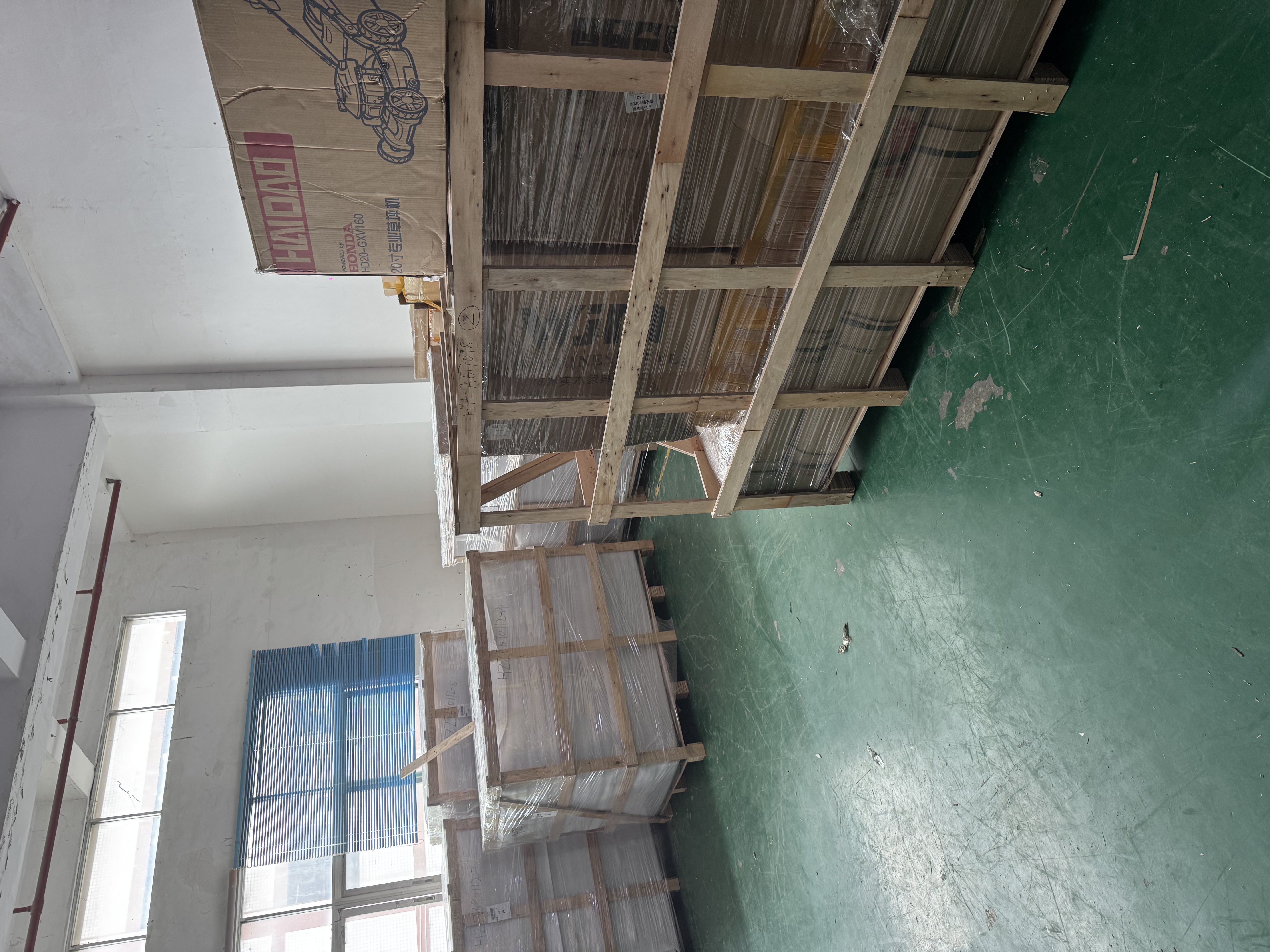
How does [盛达国际物流] deal with potential customs policy changes in 2026? As an experienced player in the industry, [盛达国际物流] has a team of experts who closely monitor policy changes. Our team has over 10 years of experience in international transportation and customs clearance. For any new customs regulations, we will quickly adjust our operating procedures to ensure compliance. For example, if there are new inspection requirements for certain goods, we will work with our clients to ensure all necessary documentation is in place and conduct pre - inspection checks at our warehouses.Can [盛达国际物流] handle the increasing e - commerce small - parcel shipments in 2026? Absolutely. Our company has developed a comprehensive e - commerce logistics solution. We have a large - scale warehouse in Shenzhen, covering an area of 35,000 square meters, which can handle a large volume of small - parcel shipments. Our intelligent sorting system can sort thousands of parcels per hour, ensuring fast and accurate delivery. Moreover, we offer a full - range of value - added services, such as free consolidation and repackaging, which are highly suitable for e - commerce customers.
How does [盛达国际物流] keep up with technological advancements in 2026? We are committed to investing in technology. We have a self - developed logistics system that can provide real - time tracking information to our customers. In the future, we will continue to explore new technologies, such as blockchain - based tracking and automated warehousing. We also plan to upgrade our system to be more user - friendly and efficient, so that our customers can easily manage their shipments.
How can [盛达国际物流] compete with new entrants in the market in 2026? Our long - term market presence and reputation are our strong advantages. We have served hundreds of thousands of overseas Chinese users and cross - border merchants, which has given us rich experience in the industry. We can offer more personalized services and stable delivery times. For example, for customers with special requirements, such as transporting sensitive goods, we have a dedicated compliance - based freight line. Our one - stop service and transparent pricing system also make us more attractive to customers.
Will [盛达国际物流] be affected by the industry - specific demand changes in 2026? We are well - prepared to adapt to industry - specific demand changes. For the pharmaceutical industry, we have established a cold - chain logistics solution that can ensure the safe transportation of vaccines and other temperature - sensitive medical supplies. For the agricultural industry, we understand the importance of fast delivery and proper preservation. We have optimized our flight schedules and packaging methods to meet the needs of these industries.
VI. Conclusion: Multiple Paths for Air Freight Logistics in 2026
As we've analyzed, the future of Chinese - Australian air freight logistics in 2026 is full of both opportunities and challenges. The potential scenarios in policies, market demand, technology, and competition will all shape the way logistics companies operate.
[盛达国际物流], with its strong foundation, experienced team, and customer - oriented approach, is well - positioned to navigate these various scenarios. Whether it's adapting to new customs policies, meeting the growing e - commerce demand, embracing technological advancements, or competing with new entrants, the company is equipped to make the most of the opportunities and overcome the challenges. In the dynamic world of air freight logistics, being flexible and forward - thinking will be the keys to success, and [盛达国际物流] seems ready to take on the future with confidence.
In conclusion, while the exact situation in 2026 remains uncertain, the air freight logistics industry between China and Australia is bound to continue evolving, and companies that are able to anticipate and respond to these changes will thrive in the new landscape.
What Will Be the Scenarios for Chinese - Australian Air Freight Logistics Companies in 2026?
The air freight logistics connection between China and Australia has always been a vibrant and ever - changing arena. As we peer into the future of 2026, we can anticipate a variety of scenarios that will have a profound impact on Chinese - Australian air freight logistics companies.
Policy - Driven Scenarios The year 2026 will see policies significantly influencing the 2026 China - Australia transportation route and Australia - China transportation route.Customs Clearance Policies: On one hand, if customs clearance policies become more relaxed, it will revolutionize the efficiency of air freight. For example, the average customs clearance time for flights from Guangzhou to Sydney could drop from 1 - 2 days to just a few hours. This would lead to a huge spike in the volume of transported goods. Take seasonal fruits as an example; previously held back by long inspection times, they could now be easily exported from China to Australia. On the other hand, stricter customs regulations could spell trouble. Logistics companies would need to invest more to ensure goods meet the new standards. New rules for electronic goods might require additional safety checks, driving up costs and shipment times.
Trade Agreements: An expansion of the free - trade agreement could bring new sectors into the air freight fold. If it covers more high - tech products, air freight companies can expect a boom in the transportation of smartphones and medical equipment. However, trade tensions could lead to higher tariffs and restrictions, making some products less competitive and reducing air freight demand. For instance, new tariffs on Australian wine exported to China might cut down on wine shipments.
Market - Based Scenarios The market demand for air freight between China and Australia is set to change in 2026.E - commerce Boom: The continuous growth of e - commerce will likely fuel the demand for air freight. In recent years, the China - Australia e - commerce market has been expanding at an annual rate of around 20%, and this trend is likely to continue in 2026. Australian consumers' growing interest in Chinese consumer goods like clothing, electronics, and homeware will lead to an increase in small - parcel shipments.
Industry - specific Demand: The pharmaceutical and agricultural industries will also drive air freight demand. In the pharmaceutical sector, the need for vaccines and medical supplies means air freight's speed is crucial. For example, in case of a disease outbreak in either country, the demand for transporting medical supplies by air will soar. In the agricultural industry, Australian beef and dairy are popular in China, and Chinese fruits and vegetables are in demand in Australia. The perishable nature of these products calls for efficient air freight solutions.
Technological Scenarios Technology will play a key role in reshaping the air freight logistics industry in 2026.Digitalization: Advanced tracking systems like those based on blockchain technology are expected to become more common. Real - time tracking can offer more accurate and transparent information about cargo location and status, improving customer satisfaction and inventory management. Automated processes, such as automated warehousing and packing, will also increase in popularity. Automated sorting machines can handle a much larger volume of parcels in less time, cutting down on labor costs.
Sustainable Technologies: Airlines are likely to use more fuel - efficient aircraft. By 2026, there could be a significant increase in the use of planes that consume less fuel and emit fewer pollutants, which benefits both the environment and reduces operating costs for air freight companies. Additionally, air freight logistics companies may adopt more green logistics practices, such as using sustainable packaging materials and optimizing flight routes to save energy.
Competition Scenarios Competition among Chinese - Australian air freight logistics companies is expected to get fiercer in 2026.Increased Competition from New Entrants: The relatively low barriers to entry in some parts of the air freight market may attract new players. Start - up logistics companies might focus on niche markets, such as transporting high - end luxury goods between the two countries. This will force established companies to step up their game and innovate.
Competition for Market Share: Established air freight companies will also battle it out for market share. They may offer more competitive prices, better customer service, and faster delivery times. Some might introduce express delivery services that guarantee overnight delivery between major Chinese and Australian cities.
[盛达国际物流]'s Position [盛达国际物流], with its years of experience and a team of over 40 professionals with more than 10 years of international shipping and customs clearance experience, is well - placed to handle these scenarios.Regarding customs policy changes in 2026, our experts will closely monitor the regulations. We'll quickly adjust our operations to ensure compliance. For new inspection requirements, we'll work with clients to prepare all necessary documents and conduct pre - inspection checks at our 35,000 - square - meter warehouse in Shenzhen.
When it comes to the increasing e - commerce small - parcel shipments, our intelligent sorting system can handle a large volume of parcels per hour. We offer value - added services like free consolidation and repackaging, which are ideal for e - commerce customers.
In terms of technology, we're committed to investing in it. Our self - developed logistics system provides real - time tracking. We'll keep exploring new technologies like blockchain - based tracking and automated warehousing and upgrade our system for better user experience.
To compete with new entrants, our long - standing reputation and rich experience give us an edge. We can offer personalized services, stable delivery times, and a dedicated freight line for sensitive goods. Our one - stop service and transparent pricing system are also attractive to customers.
As for industry - specific demand changes, we have solutions in place. For the pharmaceutical industry, we have a cold - chain logistics system for temperature - sensitive medical supplies. For the agricultural industry, we've optimized flight schedules and packaging methods to meet the needs of transporting perishable goods.
In conclusion, the air freight logistics industry between China and Australia in 2026 will be a stage full of opportunities and challenges. Companies like [盛达国际物流], with their foresight and adaptability, will be the ones to thrive in this evolving landscape.
