

What Are the Different Scenarios of Door-to-Door Canadian Sea Freight Shipping in 2026?
In the dynamic world of international logistics, sea freight shipping between China and Canada plays a pivotal role. As we look ahead to 2026, the door-to-door Canadian sea freight shipping presents various scenarios, each with its unique characteristics and demands. Let's dive into the details.
I. Personal Import Scenarios
Student and Migrant Goods Many Chinese students go to Canada for their studies, and migrants relocate there for a better life. They often need to transport a large amount of personal belongings. For example, a student might ship their winter clothes, books, and some small home appliances. A migrant family could be shipping furniture, kitchenware, and family heirlooms.In 2026, with the continuous improvement of policies, the customs clearance for personal items is expected to be more streamlined. China - Canada policies may further simplify the procedures for personal item imports, reducing the inspection time and potential additional charges.
From my perspective, this is a great opportunity for students and migrants as they can save time and money on their move. However, it's still important for them to accurately declare their items to avoid any legal issues.
Online Shopping and Bulk Purchases E - commerce has made it easy for Canadians to buy products from China in bulk. Consumers could purchase clothing, electronics, and home decor items. For instance, a Canadian family might order a set of furniture from a Chinese online store.
The door - to - door sea freight service for these personal online shopping items is likely to become more efficient. In 2026, new policies may encourage faster processing at ports to ensure that these personal bulk purchases reach their destinations in a timely manner.
This also means that consumers need to choose a reliable logistics provider. They need to consider factors like the shipping time, cost, and the provider's ability to handle customs clearance.
II. Business Import Scenarios
Small and Medium - Sized Enterprises (SMEs) SMEs in Canada often rely on Chinese imports for raw materials, components, and finished products. A Canadian clothing brand might import fabric from China, and a small electronics company could import circuit boards.In 2026, policies between China and Canada may offer some incentives for SMEs. For example, there could be lower tariffs for certain types of goods imported by SMEs, or simplified customs procedures. This would help SMEs reduce their costs and improve their competitiveness in the market.
I believe that SMEs need to keep a close eye on these policy changes. They should also work with a logistics partner who understands the specific needs of SMEs, such as flexible shipping schedules and cost - effective solutions.
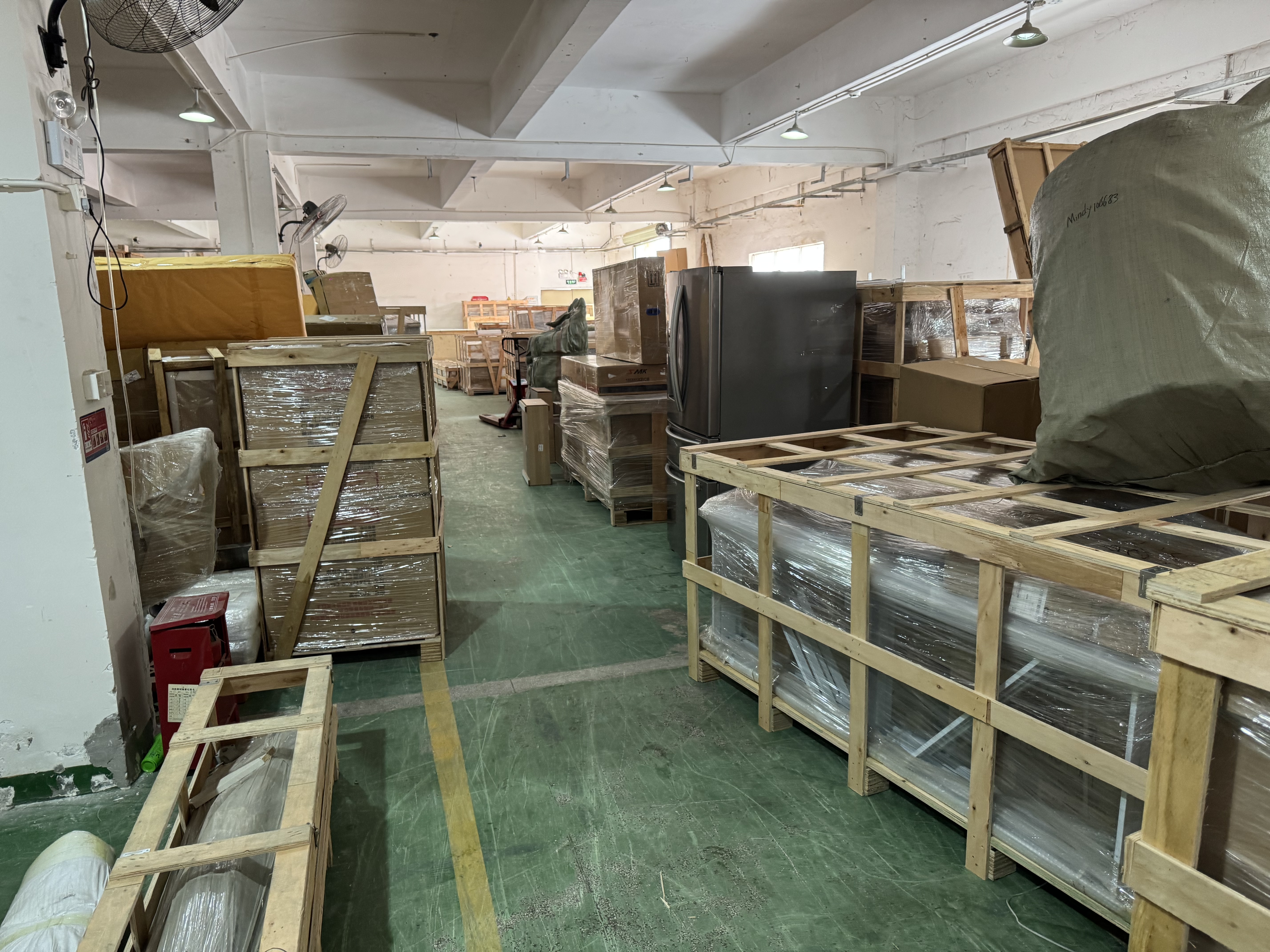
Large Corporations Large Canadian corporations may have more complex import needs. For example, an automotive company might import large quantities of auto parts from China, and a retail chain could import a wide range of consumer goods.
These corporations require high - volume, reliable, and on - time shipping. In 2026, the sea freight shipping industry may see an improvement in the overall service quality for large corporations. New policies may ensure better port handling for large shipments, reducing the risk of delays.
From a corporate perspective, they need to have a long - term logistics plan. They should also consider factors like the environmental impact of their shipping and work with logistics providers who are committed to sustainable shipping practices.
III. Export Scenarios from Canada to China
Agricultural and Forestry Products Canada is a major exporter of agricultural and forestry products. In 2026, products like wheat, canola, and lumber are likely to continue being in high demand in China.The door - to - door sea freight service for these products needs to ensure proper handling and storage during transportation. New policies may focus on food safety and quality control for agricultural products. For forestry products, there may be regulations regarding sustainable forestry practices.
As a logistics professional, I know that it's crucial to follow these regulations. This not only ensures compliance but also helps maintain the reputation of Canadian products in the Chinese market.
High - Tech and Industrial Products Canada also exports high - tech and industrial products to China. For example, aerospace components and advanced manufacturing equipment.
In 2026, the shipping of these high - value and sensitive products may face stricter security and inspection procedures. New policies may be in place to protect intellectual property and ensure the proper handling of high - tech goods.
Companies exporting these products need to work with a logistics provider who has experience in handling high - tech and industrial shipments. They need to ensure that the products are properly packaged and that all necessary documentation is in order.
FAQ
Q: How can I ensure my personal items are cleared smoothly through customs in 2026? A: It's important to accurately declare your items. Work with a reliable logistics provider like盛达国际物流. They have a professional team with over 10 years of experience in customs clearance. They understand the latest China - Canada policies in 2026 and can help you prepare the necessary documentation to avoid any issues.Q: What if the shipping of my SME goods is delayed in 2026? A:盛达国际物流 has a standardized service system. They offer real - time tracking of your shipments. If there is a delay, they will work actively to solve the problem. Their long - standing experience in the industry allows them to handle various situations. Also, in 2026, with improving policies, the likelihood of long - term delays is expected to decrease.
Q: Can large corporations ensure the environmental sustainability of their sea freight in 2026? A: Yes.盛达国际物流 is committed to sustainable shipping practices. They can help large corporations choose more eco - friendly shipping options. In 2026, new policies may also encourage more sustainable shipping, and盛达国际物流 will stay updated with these policies to provide the best service.
Q: What should I do if my Canadian agricultural products are rejected at the Chinese port in 2026? A: First, it's important to work with a logistics provider who understands the food safety and quality control requirements in China.盛达国际物流 can help you prepare your products according to these standards. If there is a rejection, they will assist you in communicating with the relevant Chinese authorities to resolve the issue.
Q: Are there any special requirements for shipping high - tech products from Canada to China in 2026? A: Yes, there are. High - tech products may face stricter security and inspection procedures.盛达国际物流 has experience in handling such sensitive products. They will ensure that your products are properly packaged and that all necessary documentation, including those related to intellectual property, is in place to comply with the 2026 policies.
In conclusion, the door - to - door Canadian sea freight shipping in 2026 offers various scenarios, each with its own opportunities and challenges. It's essential for both individuals and businesses to understand these scenarios and choose the right logistics partner to navigate through the ever - changing environment of international trade.
