

Have you ever wondered what the future holds for shipping goods from China to Australia? Well, with the continuous development of the global economy and the advancement of technology, the shipping landscape between these two countries is bound to undergo significant changes in 2026. Let's take a closer look at some possible scenarios.
I. Policy and Regulatory Environment
1. Favorable Trade Policies
With the strengthening of economic and trade cooperation between China and Australia, in 2026, we can expect more favorable trade policies. For example, the reduction or exemption of tariffs on certain goods will promote the growth of trade volume. According to data from the previous few years, after the implementation of some preferential trade agreements, the trade volume between the two countries increased by an average of 15% - 20%. This will encourage more Chinese businesses to export goods to Australia.
2. Stricter Environmental Regulations
In response to global environmental protection trends, both China and Australia may introduce stricter environmental regulations for shipping. Shipping companies will be required to use more environmentally - friendly ships, such as low - sulfur fuel ships or even electric - powered ships in the future. This will also lead to upgrades in the shipping equipment and technology, although it may increase the initial cost of shipping companies.
II. Technological Innovation in Shipping
1. Automation in Port Operations
In 2026, ports in China and Australia are likely to see a high degree of automation. For example, automated cranes will be able to load and unload containers more efficiently, reducing the time that ships stay at ports. In some of the world's leading ports that have already implemented automation, the average time for a container ship to berth and complete loading and unloading operations has been reduced by about 30%, from 2 - 3 days to 1 - 2 days. This means faster transit times for goods from China to Australia.
2. Digitalization of Logistics Systems
The logistics systems involved in shipping goods from China to Australia will become more digitalized. Companies like [Company name] uses an intelligent logistics system to manage the entire transportation process, from order placement to delivery. Customers can track their shipments in real - time, and logistics companies can optimize the shipping routes and schedules based on big data analysis. For instance, by analyzing historical shipping data, the system can predict potential bottlenecks and choose the most efficient routes, reducing the shipping time and cost.
III. Shipping Modes and Their Scenarios
1. Air Freight
Air freight will still play an important role in shipping high - value, time - sensitive goods from China to Australia in 2026. For example, electronic products, high - end fashion items, and fresh food that need to reach the Australian market quickly will continue to rely on air transportation. Although air freight is more expensive, its speed advantage is irreplaceable. The average time for air freight from China to Australia is currently about 3 - 5 days, and this may be further reduced with the improvement of aircraft technology and flight routes.
2. Ocean Freight
Ocean freight is the main mode of transporting large - volume and low - value goods between China and Australia. In 2026, container shipping will become more efficient. Shipping companies may increase the size of their container ships to reduce the unit cost of transportation. According to industry forecasts, the average capacity of container ships on the China - Australia route may increase by 10% - 15% compared to the current level. At the same time, the shipping time for ocean freight may be further optimized, with the average transit time being reduced by about 1 - 2 days.
3. Combined Transport
Combined transport, which combines different shipping modes such as road, rail, and sea, will also become more popular. For example, goods can be transported by rail from inland China to coastal ports and then shipped to Australia by sea. This can make full use of the advantages of different transportation modes, reduce costs, and improve transportation efficiency. In some pilot projects of combined transport, the overall cost has been reduced by about 15% compared to single - mode transportation.
IV. Market Competition and Service Quality
1. Intense Market Competition
The market for shipping goods from China to Australia will become more competitive in 2026. There will be more shipping companies competing for market share, including large international shipping giants and local Chinese and Australian shipping companies. This competition will drive down shipping prices and also force shipping companies to improve their service quality.
2. Higher - Quality Services
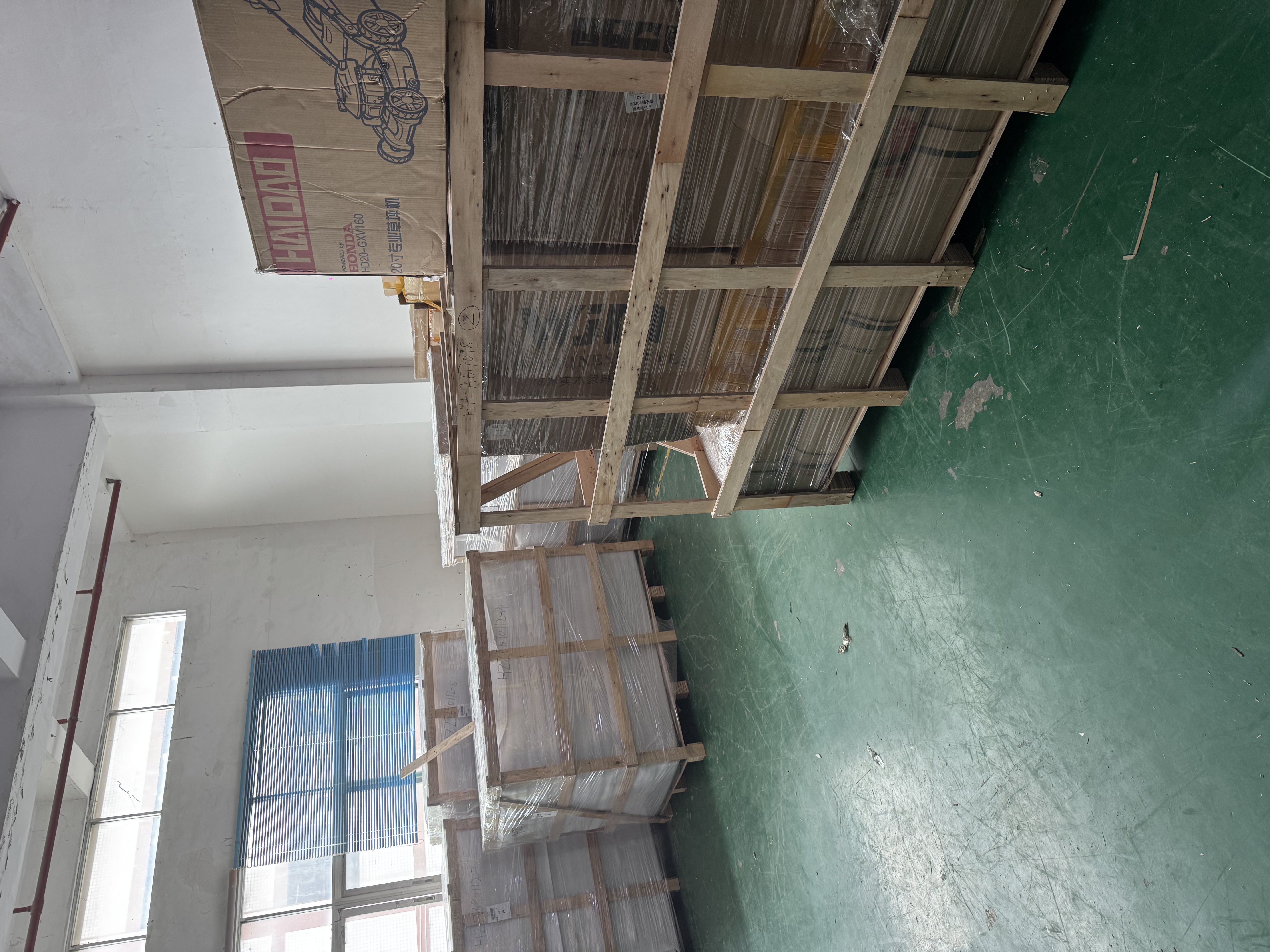
Shipping companies will provide more comprehensive and high - quality services. For example, in addition to basic shipping services, they will offer value - added services such as customs clearance assistance, warehousing, and distribution in Australia. Companies like [Company name] already have a mature overseas service team that can help customers handle various matters in Australia, ensuring that the goods can reach the hands of customers smoothly.
V. Challenges and Risks
1. Geopolitical Risks
Geopolitical issues between China and Australia may still pose challenges to the shipping industry. Any sudden changes in diplomatic relations or trade disputes can affect shipping operations, such as the implementation of new trade barriers or the freezing of some trade routes. Companies need to be prepared to deal with these potential risks.
2. Natural Disasters and Climate Change
Natural disasters such as typhoons, tsunamis, and storms can disrupt shipping operations. Climate change may also lead to more extreme weather events, which will increase the risks of shipping. Shipping companies need to have contingency plans to deal with such situations.
3. Cybersecurity Threats
As the logistics systems become more digitalized, cybersecurity threats are also increasing. Hackers may target the shipping companies' information systems, causing disruptions to the shipping process, stealing customer information, or even causing financial losses. Shipping companies need to strengthen their cybersecurity measures.
FAQ
1. What if my goods are delayed during shipping?
Well, when you choose [Company name], we have a standardized service system. In case of delays, our dedicated customer service team will keep you informed about the situation. We also have a certain compensation mechanism for delays caused by our operation errors. Based on our past experience, we will try our best to minimize the impact of delays on you and ensure the safety of your goods.
2. Can you handle sensitive goods from China to Australia?
Yes, we can. [Company name] has a dedicated sensitive goods compliance line. We have a professional team that is familiar with the customs regulations of Australia and can use the exclusive compliance declaration channel to transport goods such as food, cosmetics, and charged products, greatly reducing the risk of customs inspection and seizure.
3. How can I track my shipment?
It's very easy. We use a self - developed intelligent logistics system. You can log in to our official website or mobile app to track the status of your shipment at any time. The system will update the information in real - time, including the location of the goods, the progress of customs clearance, and the expected delivery time.
4. What are the advantages of choosing [Company name] for shipping from China to Australia?
There are several advantages. First, we have been focusing on the China - Australia route for a long time, so we are very familiar with the local logistics policies and customs standards. Second, we have our own warehousing, self - developed logistics system, and first - hand shipping resources, which allows us to control the whole process of shipping independently, ensuring the safety and timeliness of your goods. Third, our pricing is very transparent, with no hidden fees. And we also offer a series of free value - added services.
5. What if my goods are damaged during shipping?
Don't worry. We have a formal claims mechanism. If your goods are damaged due to our operational errors, we will compensate you according to the standard. We also use a variety of protective measures during the shipping process, such as wooden frame reinforcement and multi - layer shock - proof protection for large and fragile items, to minimize the risk of damage.
In conclusion, the scenarios of shipping goods from China to Australia in 2026 will be full of opportunities and challenges. With the right strategies and preparations, both shipping companies and customers can benefit from the development of this shipping market.
