

What Will Be the Scenarios of China - Canada Cross - Border Consolidation Shipping in 2026?
In the dynamic world of cross - border logistics, the China - Canada shipping route has always been a significant artery. As we look ahead to 2026, it's essential to explore the potential scenarios that could shape the cross - border consolidation shipping between these two countries.
I. Policy Landscape in 2026
Customs and Trade Policies In 2026, the China - Canada trade relationship is expected to continue to evolve. The Canadian government has been gradually adjusting its customs policies to promote trade efficiency. For example, there may be an increase in the use of electronic customs declarations, which could speed up the clearance process for cross - border consolidation shipments. Currently, the average customs clearance time for China - Canada shipments is around 3 - 5 days. With the implementation of more advanced electronic systems, this time could potentially be reduced to 1 - 2 days.On the Chinese side, the government may further streamline export procedures. For instance, simplifying the documentation requirements for certain types of goods could make it easier for shippers to consolidate their cargo. This would be especially beneficial for small and medium - sized enterprises (SMEs) that rely on cross - border consolidation shipping to access the Canadian market.
Tariff Policies Tariff policies are always a key concern in cross - border shipping. In 2026, it's possible that there could be some tariff adjustments between China and Canada. If there is a positive development in the trade relationship, we might see a reduction in tariffs for certain goods, which would encourage more trade and, in turn, increase the volume of cross - border consolidation shipping. For example, if the tariff on consumer electronics is reduced, more Chinese electronics manufacturers would be willing to ship their products to Canada through consolidation services.
II. Market Demand and Growth in 2026
Consumer Goods Demand The demand for Chinese consumer goods in Canada is likely to remain strong in 2026. Products such as clothing, home decor, and electronics are always in high demand. With the growth of e - commerce, Canadian consumers are increasingly turning to Chinese online retailers to purchase these goods. This will drive up the need for cross - border consolidation shipping services. For example, in 2023, the value of Chinese consumer goods imported into Canada through e - commerce was approximately CAD 5 billion. By 2026, this figure could potentially reach CAD 7 - 8 billion, creating a significant opportunity for consolidation shippers.Business - to - Business (B2B) Trade In the B2B sector, Canadian businesses will continue to source raw materials and components from China. Industries such as manufacturing, automotive, and aerospace rely on Chinese suppliers for their production needs. Cross - border consolidation shipping will play a crucial role in enabling these businesses to transport their goods efficiently. For example, a Canadian auto parts manufacturer may consolidate the shipment of engine components from multiple Chinese suppliers to reduce shipping costs.
III. Technological Advancements in 2026
AI and Big Data in Logistics Artificial intelligence (AI) and big data are expected to have a profound impact on cross - border consolidation shipping in 2026. These technologies can be used to optimize shipping routes, predict demand, and manage inventory. For example, AI algorithms can analyze historical shipping data to determine the most efficient shipping routes between China and Canada, taking into account factors such as shipping times, costs, and customs regulations. Big data can also be used to monitor the inventory levels of shippers and suppliers, ensuring that there are no shortages or over - stocks during the shipping process.Blockchain for Transparency Blockchain technology is likely to be more widely adopted in the cross - border logistics industry in 2026. It can provide a secure and transparent way to track the movement of goods from the point of origin to the destination. With blockchain, all parties involved in the shipping process, including shippers, carriers, customs authorities, and consignees, can access real - time information about the shipment. This can reduce the risk of fraud, improve the efficiency of customs clearance, and enhance the overall trust in the cross - border consolidation shipping process.
IV. Competition and Service Providers in 2026
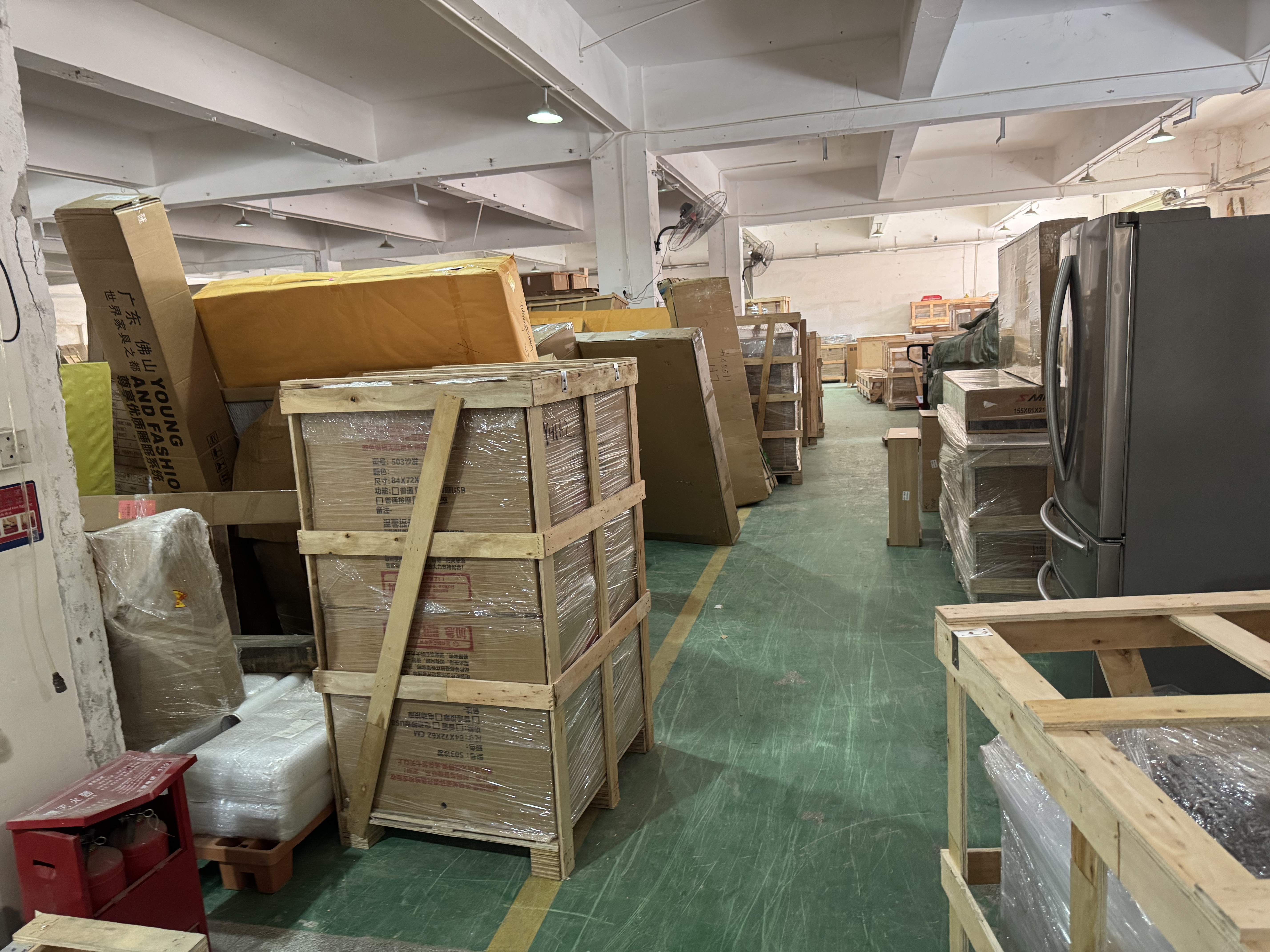
Increased Competition The cross - border consolidation shipping market between China and Canada is expected to become more competitive in 2026. With the growth of the market and the entry of new players, service providers will need to differentiate themselves to attract customers. For example, some companies may focus on providing faster delivery times, while others may offer more comprehensive value - added services such as customs brokerage and warehousing.Role of Companies like Shengda International Logistics Companies like Shengda International Logistics are well - positioned to thrive in this competitive landscape. Shengda International Logistics has several advantages. First, it has a vertical focus on the China - Canada route, which means it has in - depth knowledge of the local logistics policies, customs standards, and market demand. Second, it offers a full - range of services. Its air - freight express line can handle light and small items, with a delivery time of 7 - 12 days. This is suitable for customers who need urgent shipments. The sea - freight consolidation line provides a cost - effective option for personal shoppers and small businesses, offering door - to - door services with tax - included. And for large - scale items like furniture, it has a dedicated shipping service with special protection measures.
In addition, Shengda International Logistics has an all - inclusive and transparent pricing model. This means that customers know exactly what they are paying for, without any hidden charges. It also has a self - developed intelligent shipping system, which allows customers to track their shipments in real - time at every stage of the process.
V. Challenges in 2026
Environmental Regulations Environmental regulations are becoming increasingly strict around the world, and the cross - border shipping industry is no exception. In 2026, shipping companies between China and Canada may face more stringent environmental requirements, such as reducing carbon emissions. This could require them to invest in more fuel - efficient vessels or adopt alternative transportation methods. For example, some shipping lines may start to use hybrid or electric ships to reduce their environmental impact.Geopolitical Risks Geopolitical factors can also pose risks to China - Canada cross - border consolidation shipping in 2026. Tensions between the two countries, trade disputes, or changes in international relations can disrupt shipping operations. For example, if there are new trade restrictions or sanctions, it could affect the flow of goods between the two countries and increase the complexity and cost of shipping.
Frequently Asked Questions (FAQ)
Q: How can I ensure that my cross - border consolidation shipment from China to Canada in 2026 will be cleared smoothly through customs? A: As an experienced logistics professional, I'd say choosing a reliable service provider is crucial. Companies like Shengda International Logistics have in - depth knowledge of the customs policies in both China and Canada. They have a local clearance team that can handle the documentation and compliance requirements effectively. Plus, following the official customs regulations and providing accurate information about your goods are also key steps. With the expected improvements in electronic customs systems in 2026, things should be even more streamlined, but it still pays to have a professional on your side.Q: What if my shipment is delayed due to unforeseen circumstances in 2026? A: Delays can happen, even in the best - planned shipping scenarios. If you choose a service provider like Shengda International Logistics, they have a proper after - sales service system. They can keep you informed about the status of your shipment and take appropriate measures to minimize the impact of the delay. For example, they may offer alternative shipping routes or methods if possible. Also, they have a standardized compensation mechanism for losses caused by operational mistakes like delays, so you have some form of protection.
Q: Can I ship sensitive goods like electronics and food through cross - border consolidation in 2026? A: Yes, you can. In 2026, with the development of logistics services, companies are better equipped to handle sensitive goods. Shengda International Logistics has a dedicated compliance channel for shipping sensitive goods. They know how to properly declare these goods to customs and take necessary precautions to ensure they pass through customs smoothly. For example, for electronics, they can ensure proper packaging to prevent damage during shipping, and for food, they will comply with the relevant food safety regulations.
Q: How much does cross - border consolidation shipping from China to Canada cost in 2026? A: The cost can vary depending on several factors such as the weight, volume, and type of goods, as well as the shipping method. Shengda International Logistics offers a very transparent pricing model. They have an all - inclusive price that covers shipping, customs clearance, and taxes. For large - scale items, they use a cubic - based pricing system, which can be much more cost - effective compared to traditional weight - based pricing. In general, it's best to get a quote from a service provider based on your specific shipment details.
Q: How can I track my cross - border consolidation shipment in 2026? A: Tracking your shipment is important to stay informed. In 2026, with the advancement of technology, most reliable service providers will offer real - time tracking. Shengda International Logistics has a self - developed intelligent shipping system. You can log in to their system and check the status of your shipment at every stage, from when it arrives at the warehouse in China to when it is delivered to your address in Canada. This way, you can have peace of mind and plan your business or personal activities accordingly.
As we look towards 2026, the China - Canada cross - border consolidation shipping industry is set to experience both opportunities and challenges. By understanding these potential scenarios and choosing a reliable service provider, shippers can make the most of this dynamic market.
